Tanker management services in 2026: TMSA & SIRE 2.0 Guide
Tanker management services in 2026 focus heavily on navigating the transition to SIRE 2.0 and maintaining high TMSA-3 scores for oil major approvals. Tanker operators face roughly 20-30 SIRE 2.0 findings per inspection, up from 2-4 under the legacy VIQ7 regime, according to 2024 industry analysis. Specialised management ensures continuous compliance, risk mitigation, and commercial viability across global trading routes.
Professional fleet management secures charter approvals by maintaining active SIRE 2.0 readiness and full TMSA compliance.
- What do comprehensive tanker management services include in 2026?
- How does SIRE 2.0 impact tanker vetting and operations?
- Why is TMSA-3 compliance critical for commercial success?
- How to prepare a vessel for pre-CDI and SIRE inspections?
- In-house vs third-party management: Which approach secures better vetting results?
- How do class and flag state requirements align with vetting standards?
- Discuss tanker management services with Trident Maritime
What do comprehensive tanker management services include in 2026?
Modern tanker operations demand rigorous technical oversight, strict safety protocols, and continuous crew management training. Comprehensive tanker management services integrate these elements to ensure vessels remain compliant with international regulations and oil major requirements. Technical superintendents must continuously monitor hull integrity, machinery planned maintenance systems (PMS), and cargo handling equipment.
The International Association of Classification Societies comprises 12 member classification societies covering more than 90% of the world's cargo-carrying tonnage, according to the IACS Annual Review 2025. Coordinating with these class societies is a fundamental pillar of technical management to maintain statutory certification. Without valid class certificates, a tanker cannot trade, secure insurance, or pass commercial vetting.
Effective management also encompasses procurement, dry-docking supervision, and emergency response planning. Integrating all these disciplines ensures the vessel remains technically sound and commercially viable.
How does SIRE 2.0 impact tanker vetting and operations?
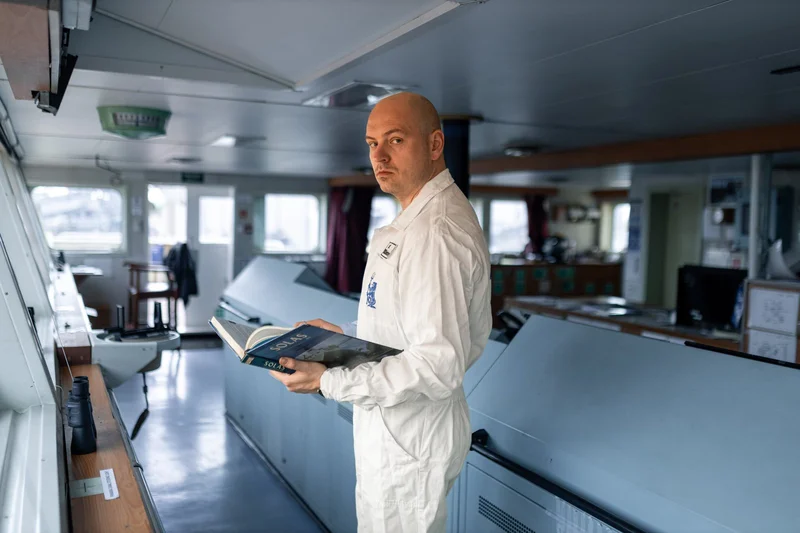
The vetting landscape underwent a massive shift when SIRE 2.0 became the mandatory tanker vetting standard on 2 September 2024, replacing VIQ7, according to the Oil Companies International Marine Forum. This digitalised regime focuses heavily on human factors and operational performance rather than just physical hardware. Operators must now provide extensive pre-inspection data, including photographs and certificates, shifting the workload from the physical inspection day to continuous operational readiness.
"SIRE 2.0 inspections typically identify 20-30 findings per vessel, versus the 2-4 typical under VIQ7, making continuous pre-vetting preparation a core operational competence rather than a documentation exercise."
- Capt. Oleksiy Smolyar, Master Mariner / CEO Trident Maritime
Because inspectors now possess a comprehensive pre-boarding profile of the vessel, they focus their onboard time evaluating how the crew interacts with the safety management system. This requires management companies to foster a robust safety culture onboard. The emphasis is on verifiable, continuous compliance rather than temporary preparation.
Why is TMSA-3 compliance critical for commercial success?
The Tanker Management and Self Assessment (TMSA) programme remains the definitive framework for assessing a ship operator's safety management system. Over 90% of tanker operators use OCIMF TMSA-3 to assess their safety management systems, driving continuous improvement across the fleet. Achieving high TMSA stages is non-negotiable for securing long-term charters with major energy companies.
Effective commercial management relies directly on these technical vetting approvals to maximise vessel earnings. A low TMSA score immediately restricts a vessel's trading opportunities, limiting access to premium cargo contracts. Therefore, technical and commercial departments must work in absolute synergy.
TMSA-3 contains 13 elements, including Element 13 - Maritime Security, added in the 2017 revision. Specialised operators dedicate dedicated compliance teams to audit and continuously elevate these elements across their managed fleets.
How to prepare a vessel for pre-CDI and SIRE inspections?
Proper preparation requires a systematic approach to both documentation and physical condition. We recommend following a structured pathway to ensure readiness. Implementing these steps reduces the likelihood of critical observations during the actual vetting.
- Review the CVIQ. Analyze the Compiled Vessel Inspection Questionnaire specific to the vessel's upcoming voyage and cargo profile.
- Upload pre-inspection data. Submit all required certificates, photographs, and PIQ data to the OCIMF portal well in advance.
- Conduct internal audits. Execute a rigorous internal inspection mirroring the SIRE 2.0 methodology, focusing heavily on human factors and crew familiarity.
- Address critical defects. Rectify any outstanding class conditions or safety-critical maintenance items immediately.
- Brief the crew. Ensure all onboard personnel understand their specific roles and the behavioral focus of the upcoming vetting.
For a deeper dive into the specific requirements, operators should consult our SIRE 2.0 Inspection in 2026: A Guide for Tanker Operators. Consistent preparation ensures that vessels maintain their commercial approvals without interruption.
In-house vs third-party management: Which approach secures better vetting results?
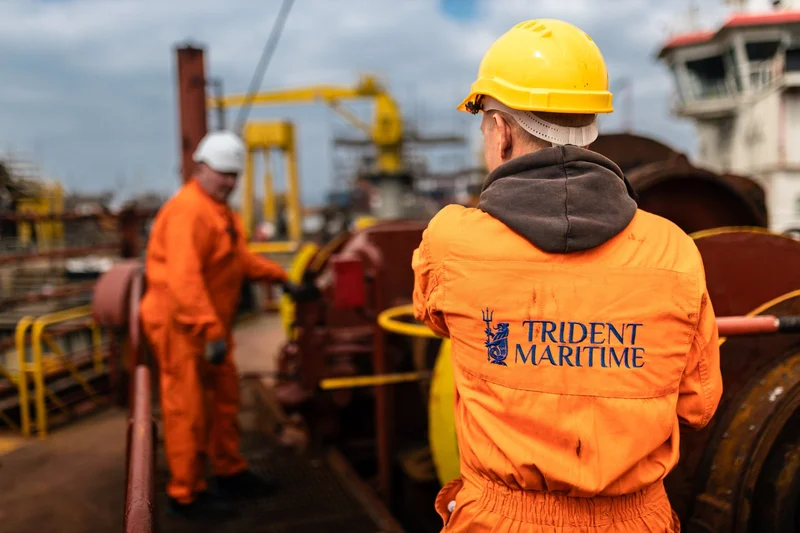
Shipowners constantly evaluate whether to maintain technical operations internally or outsource to specialised providers. The top six ship-management companies generate approximately 80% of industry revenues in their served markets, highlighting the trend toward scale and specialisation. Third-party managers often leverage broader fleet data to anticipate vetting trends and implement proactive marine consultancy solutions.
| Criteria | In-House Management | Third-Party Specialised Operators |
|---|---|---|
| Scalability | Limited by internal resources and headcount constraints | High, leveraging global networks and pooled resources |
| Vetting Data | Restricted to own fleet's historical performance | Extensive cross-fleet intelligence and trend analysis |
| Cost Structure | High fixed overheads regardless of fleet size | Variable, benefiting from economies of scale |
| Compliance Depth | Dependent on internal auditor expertise | Dedicated TMSA and SIRE 2.0 compliance departments |
Outsourcing allows owners to benefit from enterprise-level safety management systems without the associated development costs. This model ensures that vetting readiness remains high, even as regulatory frameworks grow more complex.
How do class and flag state requirements align with vetting standards?
Regulatory compliance forms the baseline upon which commercial vetting standards are built. The International Maritime Organization (IMO) sets the statutory frameworks, while class societies enforce structural and mechanical integrity. Vetting inspectors assume statutory compliance as a minimum standard; any deficiency in class or flag requirements usually results in an automatic vetting failure.
Furthermore, the Maritime Labour Convention 2006 (MLC) is in force in countries representing over 97% of world gross shipping tonnage, ensuring seafarer welfare. Flag state control inspections run parallel to commercial vetting, requiring seamless coordination by the technical manager. A single detention by Port State Control (PSC) can trigger immediate suspension of oil major approvals.
Maintaining harmony between class rules, flag state regulations, and OCIMF guidelines requires a highly sophisticated technical management approach. Managers must track regulatory amendments, such as the IMO 2023 GHG Strategy, to ensure the fleet remains commercially competitive.
Discuss tanker management services with Trident Maritime
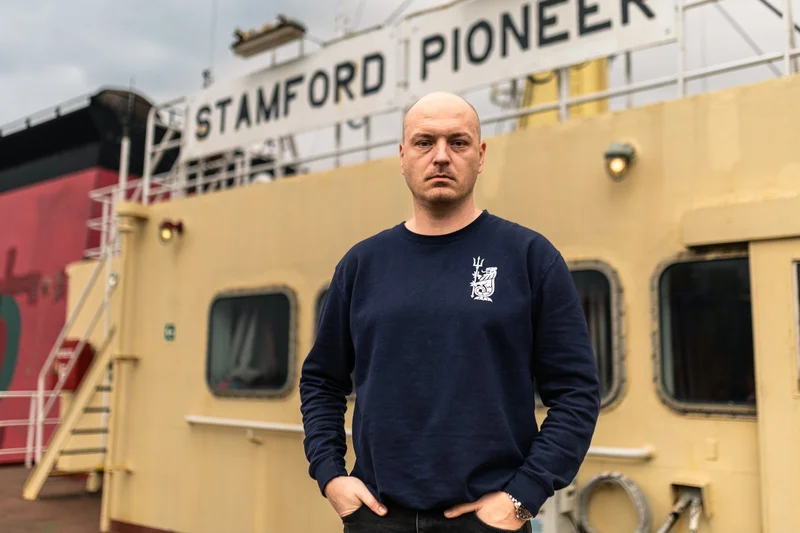
Trident Maritime provides comprehensive tanker management services, operating with ISO 9001, 14001, and 45001 certifications as a proud BIMCO member. Our dedicated technical teams in Odesa, Hamburg, Dubai, and Hong Kong deliver 24/7 emergency response, rigorous SIRE 2.0 preparation, and continuous technical oversight for your fleet. We ensure that vessels maintain peak operational readiness and full compliance with major charterer requirements.
For a confidential discussion regarding your fleet requirements, contact info@trident-maritime.com or visit our contacts page.
Frequently Asked Questions (FAQ)
What is included in standard tanker management services?
Standard tanker management services encompass technical maintenance, crew management, dry-docking supervision, safety management system (SMS) implementation, and vetting compliance. Pricing is by arrangement and depends on vessel type, flag, trading area, and contract scope. Contact info@trident-maritime.com for a formal proposal.
How does SIRE 2.0 differ from the legacy VIQ7 regime?
SIRE 2.0 shifts the focus from purely physical hardware checks to a risk-based assessment incorporating human factors and operational performance. Inspections now require extensive pre-boarding data uploads and typically result in 20-30 findings per vessel, compared to the 2-4 typical under VIQ7.
Why is OCIMF TMSA-3 important for chemical and oil tankers?
Over 90% of tanker operators use OCIMF TMSA-3 to assess their safety management systems. Achieving a high TMSA stage demonstrates a company's commitment to continuous improvement, which is a mandatory prerequisite for securing charters with major oil companies.
Which classification societies are accepted for commercial tanker operations?
Most major charterers require vessels to be classed by an IACS member society. The IACS comprises 12 member classification societies covering more than 90% of the world's cargo-carrying tonnage, ensuring rigorous structural and technical standards.
How long does it take to prepare a vessel for a pre-CDI inspection?
The timeline for pre-CDI preparation varies based on the vessel's current condition and trading history. Typically, comprehensive preparation takes several weeks of internal auditing, document review, and physical defect rectification by the technical management team.
Does Trident Maritime manage crude oil and chemical tankers?
Yes, Trident Maritime manages oil tankers, chemical tankers, LPG carriers, and LNG carriers, alongside containerships and bulkers. Our expertise covers vessels from handysize up to 300,000-DWT VLCC class, ensuring full MLC and SIRE 2.0 compliance.
Contact Trident Maritime
Need a consultation or proposal? Reach out through any of the channels below - we respond within one business day.
- Phone: +380487373735
- Email: info@trident-maritime.com
- Telegram: @tridentmaritime