Vessel Acquisition & Technical Due Diligence
Know the vessel before you own it.
A vessel acquisition is more than a commercial transaction. You acquire an operating asset together with its technical condition, maintenance history, Class status, statutory obligations and future capital requirements.
Trident Maritime provides technical due diligence for shipowners, prospective shipowners, maritime investors and asset owners before capital is committed. We establish what is known, what requires verification and what the vessel may require after delivery.
Trident Maritime works alongside the S&P broker, lawyers, Class and Flag. While each party handles its own part of the transaction, Trident Maritime focuses on the vessel as an operating asset - its condition, technical records, expenditure exposure and readiness for takeover.
From Acquisition Review to Operation
- 01Technical Review
- 02Inspection
- 03Technical Exposure / CAPEX
- 04Takeover
- 05Management
Trident Maritime can enter at the technical review stage and remain involved through inspection, delivery, takeover and optional ship management. This continuity converts pre-acquisition findings into practical priorities, budgets and planned work after delivery.
Technical Due Diligence Before Acquisition
Technical due diligence should show what the available evidence says about the vessel, where information is incomplete and which matters require confirmation onboard or with the relevant counterparties.
Depending on the vessel, transaction stage and information made available, the review may include:
- Class status, recommendations, conditions of class and survey position.
- Statutory certificates, Flag requirements and survey validity.
- Special survey and dry-docking status, including upcoming survey windows.
- Maintenance history, defect records, repairs and outstanding technical matters.
- Planned Maintenance System status and the quality of the vessel’s technical records.
- Machinery and equipment history, recurring defects and evidence of major overhauls.
- Available budgets, OPEX information and known repair or upgrade requirements.
- Technical matters that may affect delivery, initial operation or future expenditure.
The objective is a clear technical view of the asset, the evidence supporting that view and the matters that remain open before commitment.
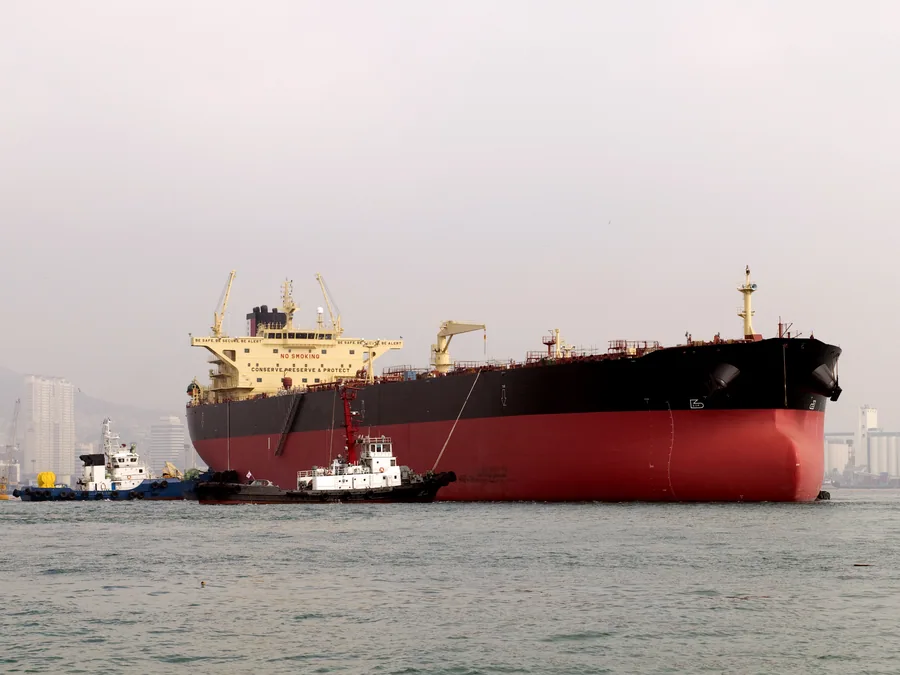
Pre-Purchase Condition Assessment
Document review establishes the vessel’s recorded history. A pre-purchase condition assessment compares that record with the condition found onboard and identifies matters that documents alone cannot resolve.
Subject to the agreed scope and access available, the assessment may cover hull, deck, cargo systems, machinery spaces, critical equipment, lifesaving and firefighting arrangements, accommodation, maintenance standards and visible signs of defect, deterioration or deferred work.
Trident Maritime assesses what the findings mean for safe operation, reliability, compliance, maintenance planning and expenditure after delivery. The purpose is not simply to list defects, but to explain their operational and financial significance.
For detailed inspection scopes and survey services, see Vessel Inspections & Surveys.
Understand the Technical Exposure Before You Commit
The purchase price is only one part of the investment.
A technically attractive price can be offset by overdue maintenance, survey work, deficient records, machinery repairs, spares requirements, regulatory upgrades or an underfunded takeover. Trident Maritime translates material findings into a practical expenditure view for the acquisition decision.

Immediate Priorities
Matters requiring action at or soon after delivery to protect safety, compliance or operational continuity:
- Critical defects or overdue maintenance.
- Class, statutory or certification matters.
- Essential repairs, spares and service attendance.
- Items affecting safe takeover or initial trading.
Near-Term Expenditure
Work likely to arise during the first operating period and requiring early planning or budget provision:
- Planned machinery overhaul or component renewal.
- Deferred maintenance and defect closure.
- Survey preparation and service work.
- Spares, stores and technical consumables required to stabilise operation.
Planned CAPEX
Larger expenditure linked to dry-docking, special survey, upgrades or lifecycle requirements:
- Dry-docking and scheduled survey work.
- Steel, coating or machinery renewal indicated by condition and records.
- Regulatory or technical upgrades.
- Projects to be evaluated against the intended holding period and trading profile.
Where information is incomplete, Trident Maritime states the assumptions and limitations. The purpose is informed decision-making, not false precision.
From Acquisition to Vessel Takeover
Once the transaction advances, Trident Maritime can convert due-diligence findings into a practical takeover plan and coordinate the technical work required for delivery and entry into operation.
The takeover scope can be tailored to the transaction and may include:
- Class, Flag and certification. Status, transfer requirements, surveys, certificates and open technical matters.
- PMS and technical records. Handover or migration of maintenance data, manuals, histories, defect lists and vessel files.
- Crew mobilisation. Senior officer and crew readiness, joining arrangements and vessel familiarisation.
- Spares and stores. Critical spares, consumables, safety items and shortages requiring procurement.
- ROB and bunkers. Verification and coordination of remaining-on-board quantities relevant to delivery.
- Budgets and OPEX. Initial operating budget, takeover costs, early repair priorities and expenditure controls.
- Delivery attendance. Technical attendance and structured handover support at the agreed place of delivery.
- First operating priorities. A sequenced plan for defects, maintenance, surveys, procurement and early technical stabilisation.
The result is a controlled transition from transaction to operation, with responsibilities, priorities and budget exposure visible before the vessel changes hands.

Technical Management After Acquisition
Some clients require a defined due-diligence or takeover assignment. Others prefer continuity into vessel operation. Trident Maritime can provide optional technical management, crew management or full management after acquisition, subject to an agreed scope and management arrangements.
Where Trident Maritime continues after delivery, findings from the review and inspection can be carried directly into the PMS, defect control, procurement plan, operating budget, survey preparation and dry-docking strategy.
This continuity reduces the loss of information that can occur when acquisition advice, takeover preparation and day-to-day management are handled as separate workstreams.
Working Alongside Your S&P Broker
The S&P broker leads the commercial sale and purchase process. Lawyers address the transaction documents, while Class and Flag perform their respective classification and statutory functions. Trident Maritime provides the technical operating-asset perspective required by the client.
This clear division of responsibilities allows the transaction to progress while the client receives a focused assessment of vessel condition, records, expenditure exposure and takeover readiness.
Trident Maritime can review documents received through the agreed transaction channel, frame technical questions, support the inspection process and convert material findings into acquisition and delivery priorities—without duplicating the broker’s role.
Who We Assist
- Established shipowners acquiring additional tonnage.
- Prospective shipowners preparing for a first acquisition.
- Maritime investors, asset owners and family offices evaluating vessel investments.
- Owners reviewing a vessel before sale, delivery or a management transition.
- Professional advisers and maritime counterparties requiring an operating-asset technical perspective.
Frequently Asked Questions
What does technical due diligence cover before a vessel acquisition?
The scope depends on the vessel and the information available. It may include Class and statutory status, survey and dry-docking history, maintenance and defect records, PMS data, machinery history, technical certificates, known repairs, budgets, OPEX information and upcoming technical requirements. The purpose is to identify material exposure before the acquisition decision.
How is technical due diligence different from a pre-purchase vessel inspection?
Technical due diligence considers the wider evidence behind the asset, including records, survey status, maintenance history, expenditure exposure and takeover requirements. A pre-purchase vessel inspection assesses the condition found onboard within the agreed scope and access available. The two services work together, but they are not the same.
Can Trident Maritime assess immediate repairs and planned CAPEX?
Yes. Based on the documents, inspection findings and information available, Trident Maritime can separate immediate priorities, near-term expenditure and planned CAPEX. Any estimate or allowance is stated with the relevant assumptions and limitations.
Can Trident Maritime support delivery and vessel takeover after acquisition?
Yes. Trident Maritime can support Class and Flag coordination, certification, PMS and technical-record handover, crew mobilisation, spares and stores, ROB and bunkers, initial budgets, OPEX planning, delivery attendance and the first operating priorities.
Does Trident Maritime act as the S&P broker?
No. Trident Maritime works alongside the client’s S&P broker and other transaction parties. The broker leads the commercial sale and purchase process. Trident Maritime focuses on the vessel as an operating asset—its condition, records, technical exposure and readiness for takeover.
Can the assignment continue into ship management?
Yes. Subject to an agreed scope and management arrangements, Trident Maritime can continue from due diligence and takeover into technical management, crew management or full management. This allows pre-acquisition findings to carry directly into the vessel’s operating plan.
Make the Technical Decision Before the Capital Commitment
If you are evaluating a vessel, send Trident Maritime the available particulars, transaction stage, inspection window and required scope. Trident Maritime will define the proposed technical review, inspection interface, reporting deliverables and any takeover support required.