Chemical tanker management in 2026: Operational Guide
Tanker operators face roughly 20-30 SIRE 2.0 findings per inspection - up from 2-4 under the legacy VIQ7 regime - making pre-vetting preparation a core operational competence rather than a documentation exercise.
chemical tanker management in 2026 focuses on SIRE 2.0 vetting compliance, strict adherence to IMO Class II and III cargo segregation standards, and specialised crew matrix requirements. Operators delegate technical maintenance and TMSA-3 auditing to specialised third-party managers to ensure uninterrupted commercial performance.
Managing chemical tankers requires maintaining continuous vetting approvals, strict cargo segregation protocols, and a highly certified crew matrix to operate profitably in 2026.
- What does chemical tanker management entail in 2026?
- How do IMO Class II and III regulations affect cargo operations?
- Why is SIRE 2.0 critical for vetting compliance?
- What are the crew matrix requirements for specialised tonnage?
- Preparing for CDI inspections: What are the key focus areas?
- How do third-party managers handle technical maintenance?
- How to select a third-party manager for hazardous cargoes?
- Discuss chemical tanker management with Trident Maritime
What does chemical tanker management entail in 2026?
Trident Maritime oversees a diverse fleet of 9 vessels, including oil tankers, chemical tankers, LPG carriers, and bulkers. Effective chemical tanker management requires integrating technical maintenance, crew training, and rigorous vetting preparation. The global ship management market is estimated at USD 3.41 billion in 2025, projected to reach USD 8.24 billion by 2035 (Business Research Insights, 2025).
Operators must align their safety management systems with OCIMF and CDI frameworks to secure charters. Over 90% of tanker operators use OCIMF TMSA-3 to assess their safety management systems (OCIMF, 2024). This structural approach ensures vessels remain commercially viable and compliant with international maritime regulations.
Discover more about our corporate structure and operational scope by visiting the About trident maritime page. Dedicated management ensures that complex hazardous cargo operations proceed without incident.
How do IMO Class II and III regulations affect cargo operations?
Chemical tankers are classified based on the hazard profile of the cargoes they carry, governed by the International Code for the Construction and Equipment of Ships Carrying Dangerous Chemicals in Bulk (IBC Code). Class II and III vessels require specific tank coatings, such as zinc silicate or epoxy, and complex pumping systems to prevent cross-contamination. You can review the foundational frameworks on the IMO - International Maritime Organization website.
Maintaining these systems demands rigorous planned maintenance and specialised technical oversight. Cargo heating, tank cleaning, and nitrogen blanketing operations must be executed flawlessly to prevent cargo degradation. A single failure in segregation can result in massive commercial claims and severe environmental incidents.
Effective Commercial management relies entirely on the technical reliability of these cargo segregation systems. Operators must continuously monitor tank coating integrity to maintain the vessel's certificate of fitness.
Why is SIRE 2.0 critical for vetting compliance?
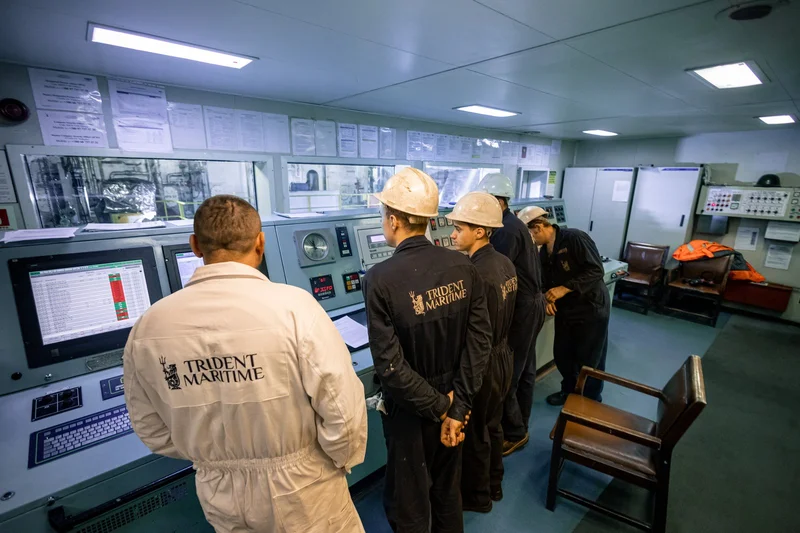
SIRE 2.0 became the mandatory tanker vetting standard on 2 September 2024, replacing VIQ7 (OCIMF, 2024). This transition shifted the focus from purely hardware-based compliance to human factors and operational resilience. Inspectors now evaluate how the crew interacts with onboard equipment under stress.
Vessels without a strong vetting record cannot secure profitable fixtures with major oil and chemical companies. Our technical superintendents typically observe that robust pre-vetting preparation is the defining factor in achieving successful inspection outcomes. Continuous readiness is no longer optional for operators trading in the spot market.
"Professional certifications: Master Mariner, DPA, CSO, ISM / ISPS / MLC Lead Auditor, ISO 9001 / ISO 14001 / ISO 45001 implementation, Technical Ship Management, Crew Management, Flag State Surveyor and Class Surveyor."
- Capt. Oleksiy Smolyar, Master Mariner / CEO Trident Maritime
For detailed strategies on navigating these new requirements, read our guide on SIRE 2.0 Inspection in 2026: A Guide for Tanker Operators. Vetting success directly correlates with commercial utilization rates.
What are the crew matrix requirements for specialised tonnage?
The IMO STCW Convention applies to approximately 1.2 million certificated seafarers on over 50,000 vessels worldwide (IMO, 2025). For chemical tankers, charterers enforce strict crew matrix requirements, dictating the combined time in rank and time with the company for senior officers. Sourcing and retaining this specialised talent pool is a primary challenge for fleet managers.
Officers must hold advanced dangerous cargo endorsements and demonstrate proficiency in complex cargo operations. Effective retention strategies include transparent promotion pathways and continuous simulator training. Partnering with a dedicated marine services provider ensures compliance with these stringent matrix demands.
Our comprehensive Crew management services address these exact matrix challenges. A stable, well-trained crew is the most effective defense against operational downtime.
Preparing for CDI inspections: What are the key focus areas?
While SIRE 2.0 dominates the oil sector, the Chemical Distribution Institute (CDI) inspection framework is equally critical for specialised chemical carriers. CDI inspections delve deeply into the specific engineering and operational procedures required for hazardous chemical transport. Preparation involves detailed audits of the inert gas systems, cargo hoses, and personal protective equipment.
The Paris MoU port state control inspects approximately 17,500 individual ships per year, with a detention rate around 3% (Paris MoU Annual Report, 2024). A strong CDI report often correlates with smooth Port State Control inspections, as both regimes scrutinize maintenance records and safety culture. For more details on PSC targeting, consult the Paris MoU database.
Review our Pre-CDI Inspection Chemical Tankers Checklist 2026: A Guide for actionable preparation steps. Thorough preparation prevents costly detentions and vetting failures.
How do third-party managers handle technical maintenance?
Third-party technical managers implement computerized planned maintenance systems (PMS) to track the lifecycle of critical equipment. The IACS comprises 12 member classification societies covering more than 90% of the world's cargo-carrying tonnage (IACS Annual Review 2025). Coordination with these societies ensures that vessels maintain their trading certificates without operational interruptions.
Managers oversee dry docking, procurement of specialised spares, and remote performance monitoring. This proactive approach minimizes off-hire time and extends the operational lifespan of the vessel. Technical managers also ensure alignment with the IMO 2023 GHG Strategy, which targets at least a 20% reduction in shipping emissions by 2030 versus 2008 levels (IMO MEPC 80).
| Feature | Legacy VIQ7 | SIRE 2.0 (2026) |
|---|---|---|
| Focus Area | Hardware and documentation | Human factors and resilience |
| Question Set | Static questionnaire | Dynamic, vessel-specific questions |
| Average Findings | 2-4 per inspection | 20-30 per inspection |
| Photographic Evidence | Not mandatory | Mandatory for specific observations |
Effective technical oversight requires constant vigilance and strong relationships with class societies. Proactive maintenance is always more cost-effective than reactive emergency repairs.
How to select a third-party manager for hazardous cargoes?
Selecting a manager requires evaluating their track record with specialised tonnage and their ability to maintain CDI and SIRE 2.0 approvals. The top six ship-management companies generate approximately 80% of industry revenues in their served markets (Drewry / Lloyd's List, 2025). However, boutique managers often provide the dedicated oversight required for complex chemical carriers.
Operators should verify the manager's experience with IMO Class II and III vessels, specifically regarding stainless steel and coated tank maintenance. Fleet Count includes 9 vessels, covering oil tankers, chemical tankers, LPG tankers, LNG tankers, bulk carriers, containerships, and general cargo. This diverse experience indicates a robust technical department capable of handling varied regulatory regimes.
A reliable manager will transparently share their fleet's port state control detention rates and average vetting findings. Partnering with a transparent, highly certified manager mitigates operational risks and protects asset value.
Discuss chemical tanker management with Trident Maritime
Trident Maritime delivers comprehensive technical and crew management for specialised tanker fleets. As a BIMCO member certified to ISO 9001, 14001, and 45001 standards, our team operates a 24/7 emergency response network across our offices in Odesa, Hamburg, Dubai, and Hong Kong. We ensure your vessels remain compliant, vetted, and commercially competitive.
Pricing is by arrangement and depends on vessel type, flag, trading area, and contract scope. For a confidential discussion, contact info@trident-maritime.com or visit our contacts page.
Contact Trident Maritime
Need a consultation or proposal? Reach out through any of the channels below - we respond within one business day.
- Phone: +380487373735
- Email: info@trident-maritime.com
- Telegram: @tridentmaritime