Crew Management Services in 2026: STCW & MLC Compliance
- What Defines Comprehensive Crew Management Services in 2026?
- How Does STCW Compliance Shape Modern Crewing Strategy?
- The Critical Role of MLC 2006 in Seafarer Welfare and Retention
- Sourcing and Vetting: Building a Competent Multinational Crew
- Training and Development Beyond Basic Certification
- Managing OPEX Through Efficient Crew Logistics and Administration
- Discuss Crew Management Services with Trident Maritime
- Contact Trident Maritime
The Maritime Labour Convention 2006 (MLC) is in force in countries representing over 97% of world gross shipping tonnage, making robust crew management services essential for global trading and avoiding Port State Control detentions. Effective crewing strategies directly impact vessel availability, OPEX, and safety performance under the ISM Code, with the STCW Convention applying to approximately 1.2 million certificated seafarers globally.
What Defines Comprehensive Crew Management Services in 2026?
Effective crew management extends far beyond the transactional process of recruitment. In 2026, it encompasses the entire lifecycle of a seafarer's employment, from initial sourcing and rigorous vetting to ongoing training, payroll administration, welfare support, and eventual repatriation. This holistic approach is mandated by a complex web of international regulations designed to ensure safety, security, and the protection of seafarers' rights.
The foundational pillars of modern crewing are the IMO's International Safety Management (ISM) Code and the ILO's Maritime Labour Convention (MLC, 2006). According to the International Labour Organization, the MLC is now in force in countries representing over 97% of the world's gross shipping tonnage. This makes compliance not just a best practice but a condition of global trade, enforced by Port State Control (PSC) worldwide. A shipowner's choice of crew management partner directly impacts their vessel's operational readiness and ability to trade without interruption.
A third-party manager acts as the shipowner's agent, ensuring that every crew member holds the correct, valid certification, undergoes vessel-specific familiarization, and is medically fit for duty. This administrative and logistical function is critical for maintaining the safety culture prescribed by the ISM Code, where human element factors are paramount. The service integrates crewing with technical management to ensure a cohesive operational standard across the fleet.
In 2026, premier crew management services are defined not by recruitment alone, but by the end-to-end management of seafarer welfare, training, and regulatory compliance under the MLC and ISM codes.
How Does STCW Compliance Shape Modern Crewing Strategy?
The International Convention on Standards of Training, Certification and Watchkeeping for Seafarers (STCW), as amended, provides the global standard for mariner competence. It dictates the minimum qualifications for masters, officers, and watch personnel on internationally trading vessels. For a crew manager, ensuring STCW compliance is a continuous, data-intensive process of verification and record-keeping for a global workforce of approximately 1.2 million seafarers, as reported by the International Maritime Organization (IMO).
Modern crewing software and systems are essential for tracking the validity of certificates of competency (CoCs), endorsements, and mandatory safety training (e.g., Basic Safety Training, Advanced Fire Fighting). The 2010 Manila amendments introduced significant changes, including new requirements for hours of rest, prevention of drug and alcohol abuse, and specific training for roles on tankers and gas carriers. Recent amendments, such as those requiring electronic certificates effective from 2025, further digitize the compliance burden, demanding robust IT infrastructure from management providers.
From our experience as DPA/CSOs, the focus extends beyond simple certificate validation. A proactive crew manager develops a detailed training matrix for each vessel, identifying gaps and scheduling necessary refresher courses or new training modules well in advance of certificate expiry. This proactive stance is vital for passing stringent vessel inspections and ensuring that the crew's competence matches the specific operational demands of the vessel, be it a VLCC, a fully refrigerated LPG carrier, or a large containership.
STCW compliance is the cornerstone of safe manning, requiring crew managers to rigorously verify certificates and manage continuous professional development for over 1.2 million seafarers globally.


The Critical Role of MLC 2006 in Seafarer Welfare and Retention
Often called the "seafarers' bill of rights," the Maritime Labour Convention, 2006 (MLC) consolidated over 68 previous maritime labour instruments into a single, coherent convention. It sets minimum standards for nearly every aspect of a seafarer's working and living conditions, including Seafarer Employment Agreements (SEAs), payment of wages, hours of work and rest, accommodation, recreational facilities, and medical care.
Non-compliance carries significant risk. Port State Control Officers (PSCOs) are empowered to detain vessels with serious MLC deficiencies. According to the 2024 annual report from the Paris MoU, the overall PSC detention rate rose to 4.03%, with labour conditions being a frequent area of focus. Deficiencies related to wage payment, invalid SEAs, or inadequate food and water provisions can lead to costly delays and reputational damage for the shipowner.
Effective crew management services mitigate these risks through systematic implementation and verification. This involves drafting compliant SEAs, ensuring a robust payroll and allotment system, and conducting regular onboard welfare checks. By fostering a positive and compliant working environment, shipowners can significantly improve crew morale and retention rates, which is a critical factor in maintaining operational continuity and reducing the long-term costs associated with high crew turnover.
Adherence to the Maritime Labour Convention 2006 is non-negotiable for shipowners, directly influencing crew retention, vessel operational continuity, and PSC detention risk.
Sourcing and Vetting: Building a Competent Multinational Crew
The quality of a vessel's crew is the single most important factor in its safe and efficient operation. A professional crew manager maintains a global network of sourcing partners and a proprietary database of qualified seafarers. This global reach allows for the assembly of multinational crews that balance cost-effectiveness with the high levels of experience required for specialized vessels like LNG carriers and chemical tankers.
The vetting process is multi-layered. It begins with verifying documentation against STCW requirements but must go deeper. In our practice, this includes cross-checking references with previous employers, conducting technical interviews to assess practical knowledge, and utilizing English language proficiency tests. For senior officers, psychometric assessments can provide insights into leadership style and decision-making under pressure, crucial for maintaining a strong safety culture.
For tanker operators, vetting must also satisfy the requirements of programs like OCIMF's SIRE 2.0. This means ensuring officers and ratings have the requisite sea time on similar vessel types and have completed specialized training. A robust crew management services provider will maintain detailed crew matrices ready for submission to charterers, demonstrating that the proposed crew meets or exceeds all industry standards.
Effective crew sourcing combines global reach with rigorous, vessel-specific vetting to build a competent and cohesive multinational team that meets stringent charterer requirements.
Training and Development Beyond Basic Certification
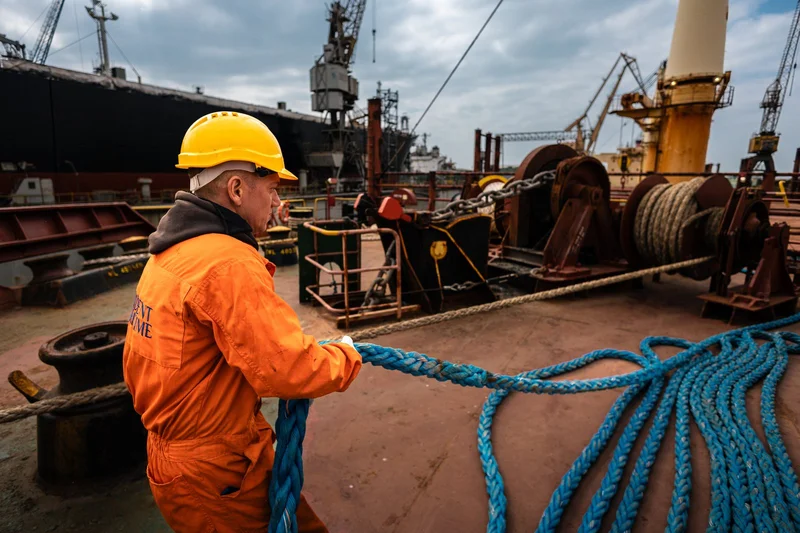
While STCW sets the mandatory minimum, leading shipowners and managers invest in continuous professional development (CPD) to achieve operational excellence. This training goes beyond regulatory compliance to address the specific risks and commercial realities of the vessel's trade. A comprehensive training strategy is a key differentiator in the quality of crew management services.
Modern training utilizes a blended approach. This includes shore-based simulator training for bridge resource management (BRM) and engine room resource management (ERM), computer-based training (CBT) modules for safety and environmental procedures, and in-house seminars led by senior superintendents. Organizations like BIMCO provide valuable resources and standard clauses that support a culture of continuous learning within the maritime industry.
Key areas for enhanced training include environmental compliance (MARPOL and emissions reduction strategies), cybersecurity awareness, and leadership skills for senior officers. By investing in their crews' skills, owners not only improve safety and efficiency but also create a clear career progression path, which is a powerful tool for retaining top talent. This investment translates directly into better vessel performance and a stronger safety record.
Beyond mandatory STCW certification, a forward-looking crew management strategy invests in continuous training to enhance safety culture and operational excellence.
Managing OPEX Through Efficient Crew Logistics and Administration
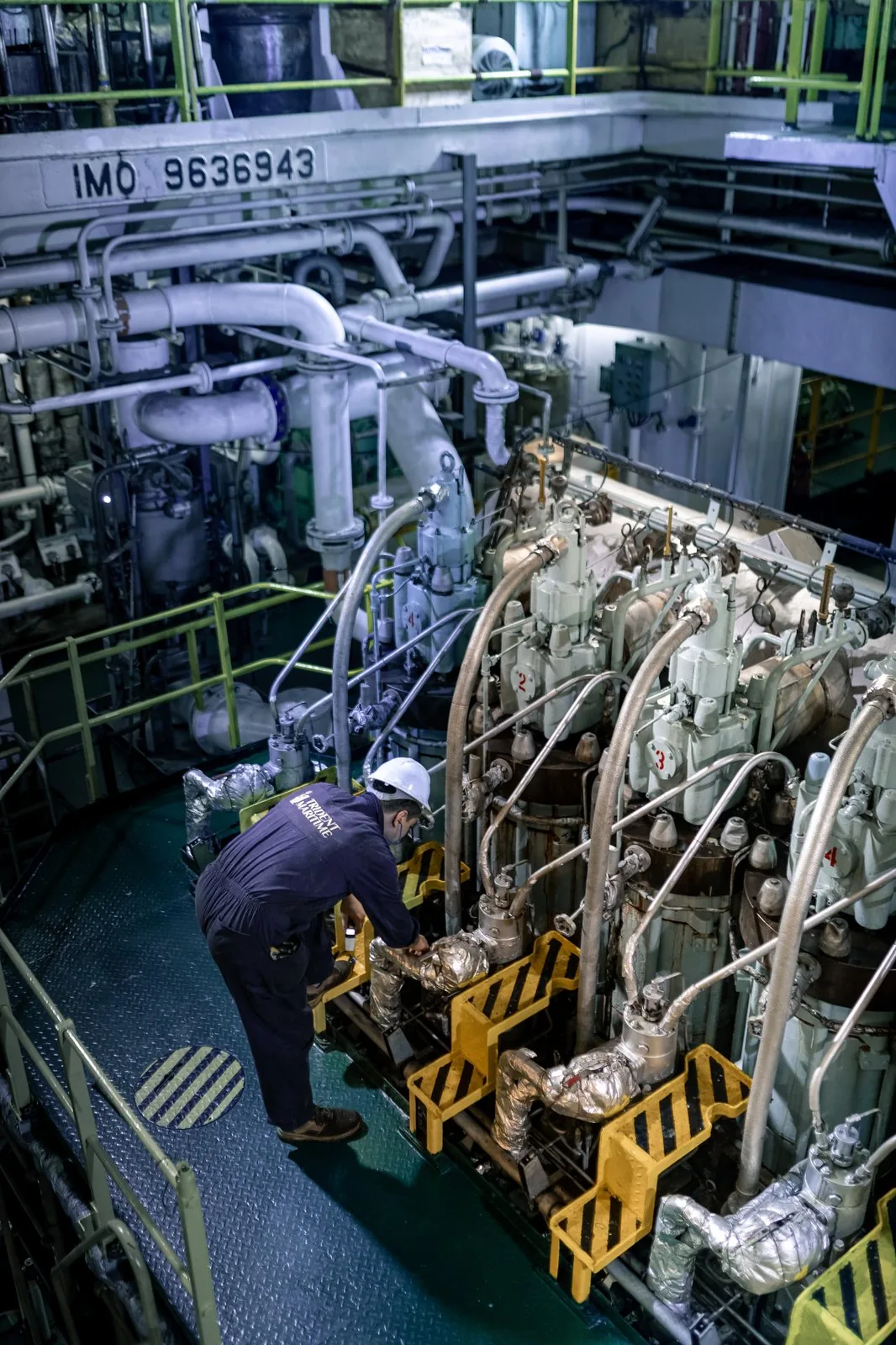
Crew costs, including wages, travel, and administration, represent a significant portion of a vessel's operating expenditure (OPEX). A primary advantage of using a third-party crew manager is the ability to leverage economies of scale and specialized expertise to control these costs without compromising on quality or compliance. This involves optimizing every aspect of crew logistics, from flight bookings to visa processing.
Efficient crew change planning is paramount. It requires close coordination between the crew manager, the commercial management team, and port agents to align with the vessel's schedule, minimizing deviation and off-hire time. Securing competitive airfares through block bookings and managing visa applications in multiple jurisdictions are complex tasks that benefit from a dedicated, experienced team.
Furthermore, robust administrative systems for payroll, allotments, and P&I claims handling reduce overhead and ensure accuracy. A professional manager will also have established relationships with maritime unions (e.g., those affiliated with the ITF), enabling smooth negotiation and implementation of Collective Bargaining Agreements (CBAs). This administrative efficiency frees the shipowner to focus on core commercial activities, confident that crewing operations are managed cost-effectively and in full compliance.
Efficient crew logistics and administration are critical levers for controlling vessel operating expenses, directly impacting profitability without compromising seafarer welfare.
In-House vs. Third-Party Crew Management Services
Shipowners must decide between managing crewing in-house or outsourcing to a specialized third-party provider. The optimal choice depends on the owner's fleet size, trading patterns, and internal resources. The following table compares the key aspects of each model.
| Criterion | In-House Crewing | Third-Party Crew Management |
|---|---|---|
| Cost Structure | High fixed overheads (salaries, office, software). | Variable, often a fixed fee per seafarer per month. Economies of scale. |
| Recruitment Reach | Limited to existing networks and company reputation. | Access to a global pool of seafarers and established manning agencies. |
| Administrative Overhead | Full burden of payroll, logistics, training, compliance, and union negotiations. | All administrative functions are outsourced to a specialized team. |
| Regulatory Expertise | Requires dedicated in-house DPA/CSO and compliance staff. | Access to dedicated compliance experts monitoring IMO, ILO, and Flag State changes. |
| Scalability | Difficult to scale up or down quickly with fleet size changes. | Highly flexible; services can be scaled to match fleet expansion or reduction. |
| Risk Management | Owner bears full liability for compliance failures and P&I claims handling. | Shared risk; manager provides an additional layer of compliance verification and support. |
Related Reading
Discuss Crew Management Services with Trident Maritime
As a BIMCO member with ISO 9001, 14001, and 45001 certifications, Trident Maritime provides comprehensive crew management services for a global fleet of tankers, gas carriers, containerships, and bulkers. Our offices in Odesa, Hamburg, Dubai, and Hong Kong operate a 24/7 emergency response system, ensuring continuous support for our clients' vessels and crews. We focus on building long-term partnerships with shipowners who prioritize safety, compliance, and operational excellence.
Our approach integrates rigorous vetting, continuous training, and efficient administration to deliver reliable and competent crews that meet the highest industry standards. We manage the entire crewing lifecycle, allowing you to focus on your core business.
For a confidential discussion on how our crew management services can support your fleet, contact info@trident-maritime.com or visit our contacts page.
Frequently Asked Questions (FAQ)
What is the difference between crew management and a manning agency?
A manning agency's primary function is recruitment—sourcing and supplying seafarers to a vessel. Crew management is a far more comprehensive service that covers the entire employment lifecycle. This includes recruitment, but also extends to training management, payroll, travel logistics, welfare, P&I claims handling, and ensuring continuous compliance with international regulations like STCW and MLC 2006. A crew manager acts as the shipowner's long-term partner in all crew-related matters.
How are seafarers' wages and contracts handled under crew management?
Wages and contracts are managed in strict accordance with the Maritime Labour Convention (MLC, 2006) and any applicable Collective Bargaining Agreements (CBAs), often with the International Transport Workers' Federation (ITF). Each seafarer receives a compliant Seafarer Employment Agreement (SEA) detailing terms of employment, wages, and repatriation rights. The crew manager handles the entire payroll process, including home allotments, ensuring timely and accurate payments to seafarers and their families.
What STCW training is essential for tanker crews in 2026?
Beyond the basic STCW certifications, tanker crews require specialized training. This includes Basic and Advanced Training for Oil, Chemical, or Liquefied Gas Tanker Cargo Operations, depending on the vessel type. Additionally, Bridge Resource Management (BRM), Engine Room Resource Management (ERM), and advanced safety courses are critical. For senior officers, specific training related to the vessel's Safety Management System (SMS) and charterer requirements, such as those under OCIMF's SIRE 2.0 program, is mandatory.
How do you ensure MLC 2006 compliance on managed vessels?
Ensuring MLC 2006 compliance is a continuous process. It begins with developing a compliant Declaration of Maritime Labour Compliance (DMLC) Part II for each vessel. We conduct regular internal audits to verify adherence to standards for accommodation, food and water, medical care, and work/rest hours. Our superintendents perform onboard welfare checks during vessel visits, and we maintain an open line of communication for seafarers to report any grievances, ensuring issues are addressed promptly.
What is the process for changing crew management providers?
The transition is managed carefully to ensure zero operational disruption. The process involves a phased takeover plan, starting with the secure migration of all crew data, certification records, and payroll information. Our team liaises with the outgoing manager to coordinate a smooth handover of responsibilities. We conduct onboard familiarization for the crew with our procedures and safety management system, ensuring a seamless transition of command and control.
How do crew management services support vessel vetting inspections?
Crew management is integral to successful vetting inspections like OCIMF's SIRE 2.0. We prepare and maintain accurate crew matrices and training records for submission to inspectors. Our team ensures all certifications are valid and readily accessible for review. We also conduct pre-vetting preparation for the crew, including mock interviews and drills, to ensure they are fully prepared to demonstrate their competence and familiarity with all vessel-specific and emergency procedures to the vetting inspector.
Contact Trident Maritime
Need a consultation or proposal? Reach out through any of the channels below — we respond within one business day.
- Phone: +380487373735
- Email: info@trident-maritime.com