Dry docking supervision services in 2026: A Guide
Dry docking supervision services in 2026 ensure commercial vessels complete mandatory repairs and class renewals on schedule. Proper specification planning and on-site management typically reduce yard duration by 8 to 15 percent. Operators rely on specialized teams to coordinate with class societies, manage procurement, and oversee complex retrofits for tankers, gas carriers, and bulkers.
Effective supervision minimizes off-hire time and ensures strict compliance with international maritime regulations.
What do dry docking supervision services cover in 2026?
Comprehensive dry docking supervision services encompass project planning, shipyard negotiation, and on-site execution for commercial vessels. Trident Maritime manages these complex processes for tankers, gas carriers, containerships, and bulkers ranging from handysize up to VLCC class. The IACS comprises 12 member classification societies covering more than 90% of the world's cargo-carrying tonnage (IACS Annual Review 2025). Our technical teams coordinate directly with these authoritative societies to ensure all statutory and class requirements are met precisely during the docking period.
Procuring spare parts and specialized marine coatings well in advance mitigates severe supply chain risks. Dedicated project managers track global logistics to ensure all materials arrive at the yard before the vessel docks. This proactive approach prevents costly idle days while waiting for critical mechanical components.
Risk assessments form a core component of the pre-docking phase. Superintendents evaluate potential hazards related to hot work, confined space entry, and heavy lifting operations. Establishing clear safety protocols with the shipyard management protects the crew and prevents operational delays.
How does pre-docking preparation reduce yard time?
Meticulous preparation is the most effective way to minimize off-hire periods and control repair costs. Technical superintendents typically begin drafting the repair specification six to nine months before the scheduled docking date. This extensive lead time allows for accurate procurement of long-lead items and facilitates competitive bidding among repair facilities. Proper structural planning and early defect identification can reduce overall yard time by 8 to 15 percent.
Effective commercial management relies heavily on predictable maintenance schedules to secure profitable charters. When a vessel enters the yard with a fully approved specification, shipyard workers can commence steel renewal and hull blasting immediately. Any ambiguity in the repair scope inevitably leads to prolonged negotiations and extended dock occupancy.
Maintaining accurate maintenance records is essential for demonstrating compliance during external audits. The supervision team ensures all service reports and calibration certificates are properly filed before the vessel departs the yard. This rigorous documentation supports seamless port state control inspections and vetting approvals.
Which regulatory frameworks govern dry docking schedules?
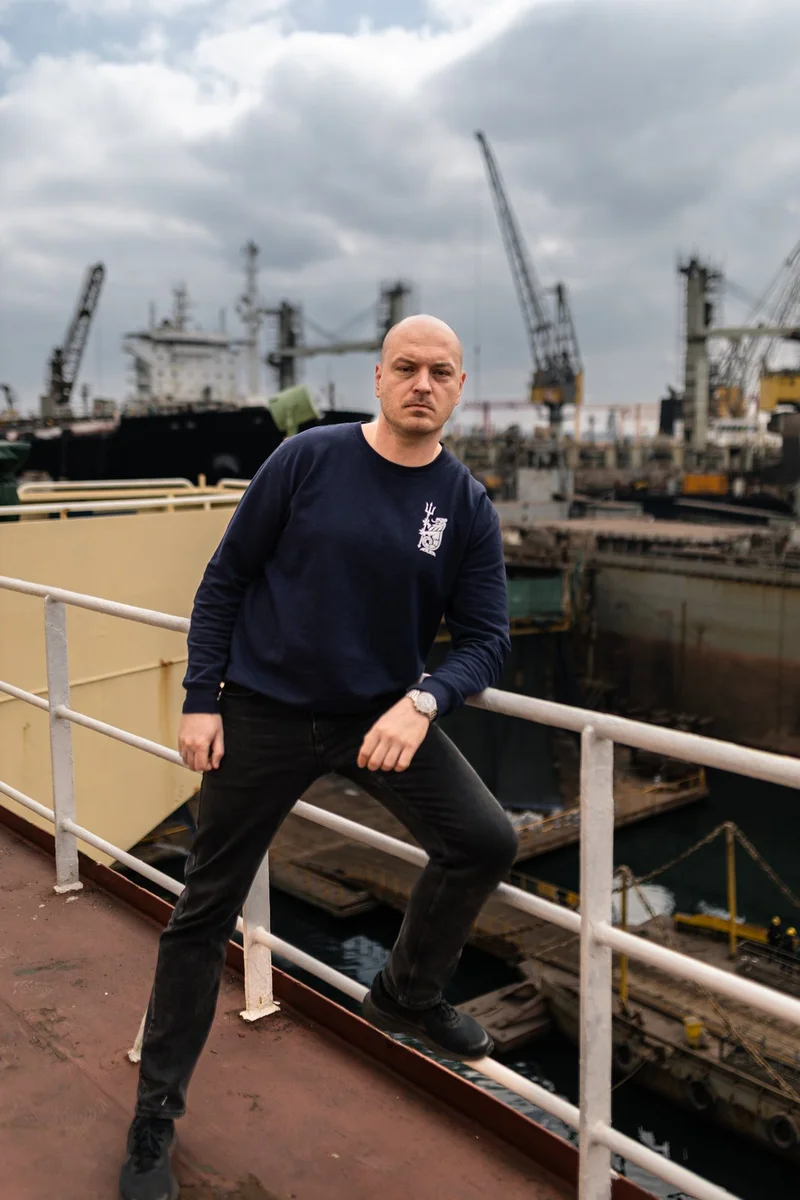
Commercial vessels must undergo bottom inspections in a dry dock twice within a five-year period, with intervals not exceeding 36 months, as mandated by the SOLAS convention. Compliance is critical, as port state control authorities strictly enforce maintenance standards globally. For context, Paris MoU port state control inspects approximately 17,500 individual ships per year, with a detention rate around 3% (Paris MoU Annual Report, 2024). Substandard maintenance discovered during these mandatory vessel inspections can lead to immediate detention and the loss of lucrative charter-party agreements.
Flag state authorities also rely on class surveyors to issue statutory certificates upon the successful completion of repairs. The supervision team coordinates joint inspections to satisfy both class rules and flag state regulations simultaneously. This streamlined approach avoids redundant testing and accelerates the vessel's return to commercial operations.
You can find detailed information regarding port state control enforcement and detention criteria directly via the Paris MoU. Staying updated on regional enforcement trends helps technical managers prioritize specific maintenance items before the vessel arrives at the repair facility.
How to select a shipyard for commercial cargo vessels?
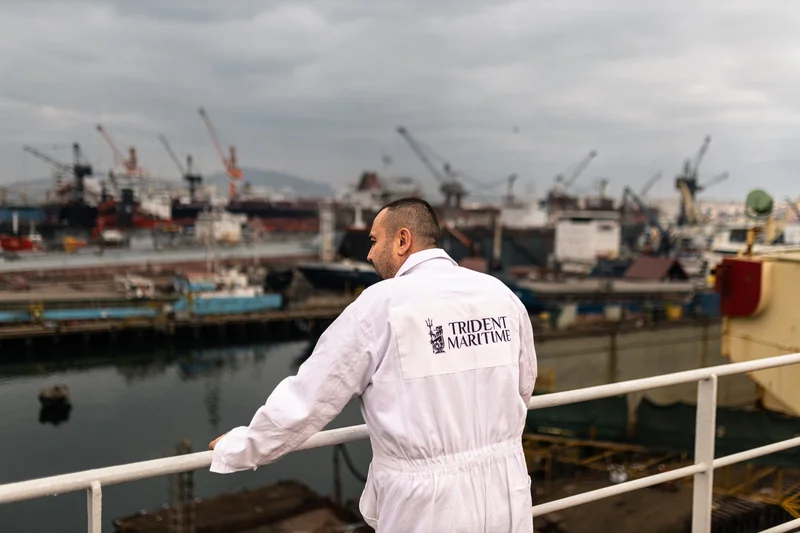
Selecting the right repair facility requires balancing geographical convenience, technical capability, and dry dock availability. Trident Maritime evaluates shipyards across key maritime hubs in Germany, UAE, Hong Kong, Singapore, and the Netherlands.
- Assess technical capabilities. Verify the yard has the requisite crane capacity, dock dimensions, and draft limits for your specific vessel class.
- Review safety records. Examine the facility's adherence to ISO 45001 standards and historical incident rates to ensure a safe working environment.
- Evaluate financial stability. Ensure the yard has the liquidity to procure necessary materials and pay subcontractors without delaying the project.
- Analyze past performance. Check references for similar vessel types to confirm they consistently deliver on time and within the agreed budget.
- Compare quotation details. Look beyond the bottom line to understand specific steel renewal rates, staging costs, and daily dockage fees.
Facilities in Singapore and Dubai offer strategic advantages for vessels operating on Asia-Europe trade routes. European yards in Germany and the Netherlands provide specialized expertise for complex mechanical overhauls and gas carrier maintenance. Evaluating the specific trading pattern of the vessel helps determine the most cost-effective docking location.
What are the primary cost drivers during vessel repairs?
Steel renewal, hull blasting, and marine coating applications typically represent the largest expenses during a scheduled docking. Main engine overhauls and the servicing of specialized cargo handling equipment also require significant capital allocation. Pricing for all associated repair and supervision tasks is strictly by arrangement and depends on vessel type, flag, and contract scope.
A dedicated site team meticulously records all daily work progress and material consumption. This daily reporting prevents unauthorized scope creep and ensures the final invoice aligns with the initial quotation. Transparency in financial reporting builds trust and allows owners to optimize their operational budgets.
Engaging experienced marine consultancy teams helps owners identify cost-saving opportunities without compromising safety. Professional negotiators can often secure better rates for staging, shore power, and waste disposal services.
Standard maintenance vs specialized retrofits: What is the difference?
Modern shipping demands a careful balance between routine class renewals and complex environmental upgrades. The IMO 2023 GHG Strategy targets at least a 20% reduction (striving for 30%) in shipping emissions by 2030 versus 2008 levels (IMO MEPC 80). This regulatory pressure has made retrofitting a major component of modern yard stays.
| Criterion | Standard Maintenance | Specialized Retrofits |
|---|---|---|
| Primary Goal | Class renewal and operational safety | Regulatory compliance and fuel efficiency |
| Typical Scope | Hull cleaning, valve overhauls, steel repairs | Ballast water treatment, scrubber installation |
| Planning Horizon | 6 to 9 months prior to docking | 12 to 18 months prior to docking |
| Engineering Needs | Standard shipyard drawings | 3D scanning and naval architecture approval |
Environmental regulations dictate a shift towards energy-saving devices and alternative fuel readiness. Installing advanced hull coatings or modifying propeller designs requires specialized engineering support that goes beyond standard steelwork. You can review current environmental guidelines and emission targets directly via the IMO.
How do class surveyors interact with the supervision team?
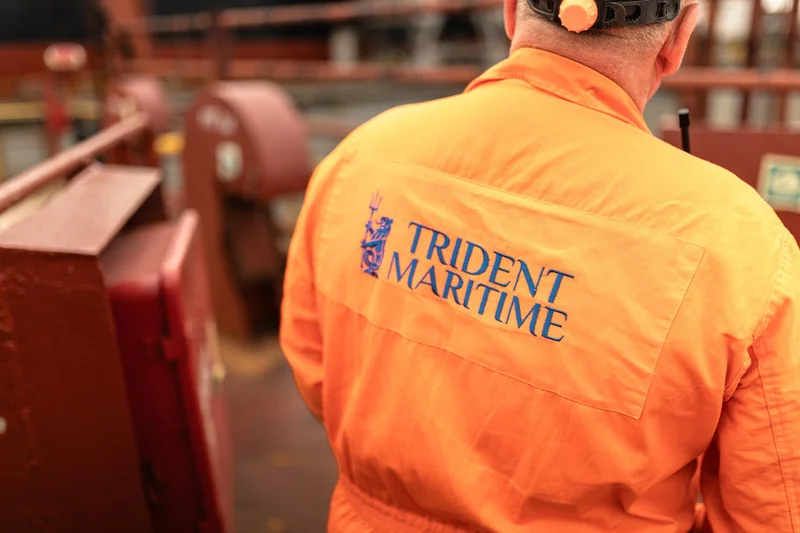
Classification society surveyors are integral to the repair process, verifying that all completed work meets unified international standards. Bureau Veritas, DNV, ABS, Lloyd's Register, ClassNK, RINA, KR, CCS, IRS, PRS, CRS and RS are the 12 IACS member societies (IACS, 2025). The on-site supervision team acts as the primary liaison between the shipyard production managers and the attending class surveyor.
This coordination ensures that critical inspections, such as tail shaft clearances and hull thickness measurements, are signed off promptly. Delays in class approval directly translate to extended off-hire time and increased dockage fees. Superintendents schedule these inspections strategically to align with the yard's production sequence.
Related reading: For further insights into vessel compliance, explore our resources on about Trident Maritime and our comprehensive service offerings.
Discuss dry docking supervision services with Trident Maritime
Trident Maritime provides comprehensive management for complex repair projects, backed by ISO 9001, 14001, and 45001 certifications. Our experienced technical superintendents operate globally, with strategic offices in Odesa, Hamburg, Dubai, and Hong Kong. We ensure your commercial cargo vessels return to service safely, on schedule, and within the agreed budget. For a confidential discussion, contact info@trident-maritime.com or visit our contacts page.
Frequently Asked Questions (FAQ)
What do dry docking supervision services typically include?
These services cover specification drafting, shipyard selection, on-site project management, and class society coordination. The supervision team monitors safety, quality, and budget adherence throughout the yard stay. Pricing is by arrangement and depends on vessel type, flag, trading area, and contract scope.
How long does a standard commercial vessel dry dock take?
A standard class renewal docking usually takes between 14 and 21 days, depending on the required steel renewal and coating work. Complex retrofits, such as ballast water treatment system installations, may extend this timeline. Proper pre-planning often reduces the total duration by several days.
Which regions does Trident Maritime cover for shipyard supervision?
Trident Maritime coordinates repair projects in major maritime hubs including Germany, UAE, Hong Kong, Singapore, Netherlands, Greece, and Spain. Our technical superintendents deploy to approved facilities within these operational zones to oversee the entire maintenance period.
How often must a cargo vessel enter a dry dock?
Under SOLAS regulations, commercial cargo vessels must undergo two bottom inspections in a dry dock within a five-year period. The maximum interval between these inspections must not exceed 36 months. In-water surveys may sometimes replace one docking, subject to strict class and flag state approval.
Can supervision teams handle scrubber installations?
Yes, technical management teams oversee the installation of exhaust gas cleaning systems and other environmental retrofits. This requires extensive 3D scanning, structural engineering approval, and coordination with equipment manufacturers. These projects are usually integrated into scheduled class renewal dockings.
How do you verify shipyard quality before signing a contract?
We evaluate facilities based on their historical performance, ISO certifications, crane capacities, and financial stability. Our team reviews past projects for similar vessel types, such as tankers or bulkers, to ensure the yard can meet strict technical specifications. Contact info@trident-maritime.com for a formal proposal.
Contact Trident Maritime
Need a consultation or proposal? Reach out through any of the channels below - we respond within one business day.
- Phone: +380487373735
- Email: info@trident-maritime.com
- Telegram: @tridentmaritime