Flag state inspection services in 2026: Operator's Guide
- Why are flag state inspection services critical in 2026?
- What does a standard compliance survey cover?
- How do regional MoU regimes impact vessel operations?
- Flag State vs Port State Control: What is the difference?
- How to prepare a vessel for a compliance audit?
- How do vetting frameworks align with statutory regulations?
- When should shipowners hire third-party surveyors?
- Discuss flag state inspection services with Trident Maritime
- Contact Trident Maritime
The Paris MoU port state control detention rate rose to 4.03% in 2024, up from 3.81% in 2023 (Paris MoU Annual Report 2024). This regulatory tightening makes proactive compliance verification a core operational necessity rather than a simple documentation exercise.
Flag state inspection services in 2026 cover SOLAS, MARPOL, and MLC compliance verification for commercial vessels. Operators rely on third-party surveyors to conduct pre-inspections, identify deficiencies, and prevent detentions before official flag or port state control audits. Discover the key frameworks shaping the industry today.
Why are flag state inspection services critical in 2026?
Commercial shipping faces intense regulatory scrutiny across all major trading routes. Paris MoU port state control inspects approximately 17,500 individual ships per year, with a historical detention rate hovering around 3% to 4%. A single detention disrupts charter party agreements and damages an operator's commercial reputation.
To mitigate these risks, operators deploy independent technical superintendents to assess vessels before statutory surveyors arrive. This proactive approach ensures that lifesaving appliances, structural integrity, and environmental systems meet international standards. Detailed preparation prevents costly delays during cargo operations and port stays.
"All vessel inspections, audits and surveys are subject to flag-state, class and port-state requirements."
- Capt. Oleksiy Smolyar, Master Mariner, CEO Trident Maritime
By identifying deficiencies early, technical managers can coordinate targeted repairs and spare parts procurement. Thorough pre-inspection protocols safeguard both the vessel's trading certificates and the crew's safety.
What does a standard compliance survey cover?
A comprehensive survey evaluates the physical condition of the vessel alongside its statutory documentation. The IMO STCW Convention applies to approximately 1.2 million certificated seafarers on over 50,000 vessels worldwide (IMO, 2025). Surveyors rigorously check electronic certificates of competency and rest hour records to verify STCW compliance.
Beyond crewing, inspectors examine the operational readiness of the main engine, auxiliary machinery, and navigation equipment. Environmental compliance is equally critical, requiring detailed audits of the Oil Record Book and ballast water management logs. Engaging marine consultancy experts helps operators navigate these complex requirements efficiently.
Recent STCW amendments require electronic certificates of competency effective from 2025. Ensuring your fleet holds valid and verifiable digital credentials is now a primary focus during any compliance audit.
How do regional MoU regimes impact vessel operations?
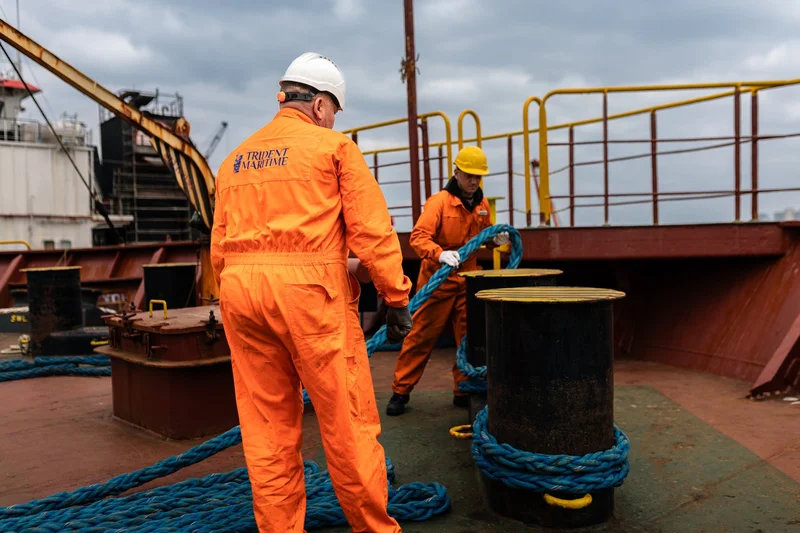
Regional authorities enforce global conventions through coordinated inspection campaigns. Tokyo MoU recorded 1,189 detentions and 77,526 deficiencies across Asia-Pacific port state inspections in 2024. These figures highlight the strict enforcement posture adopted by regional maritime authorities.
Vessels trading internationally must adhere strictly to the guidelines set by the International Maritime Organization (IMO). Concentrated Inspection Campaigns (CICs) often target specific areas, such as fire safety or stability, requiring crews to maintain continuous readiness. Operators must monitor MoU publications to anticipate these targeted checks.
Failing a regional inspection results in immediate detention and mandatory corrective actions. Maintaining a high standard of onboard maintenance is the only sustainable strategy for global fleet operations.
Flag State vs Port State Control: What is the difference?
Understanding the distinction between these two regulatory bodies is essential for technical managers. The flag state holds primary responsibility for implementing regulations, while port states act as a secondary enforcement mechanism. The IACS comprises 12 member classification societies covering more than 90% of the world's cargo-carrying tonnage (IACS Annual Review 2025).
| Criterion | Flag State Administration | Port State Control (PSC) |
|---|---|---|
| Primary Role | Issues statutory certificates and registers the vessel. | Inspects foreign-flagged vessels visiting their ports. |
| Authority Source | National maritime law and IMO conventions. | Regional agreements (e.g., Paris MoU, Tokyo MoU). |
| Inspection Focus | Overall compliance, crew welfare, and structural safety. | Immediate safety hazards and environmental risks. |
| Delegation | Often delegates surveys to IACS member societies. | Conducted by local government maritime officers. |
Operators must satisfy both entities to maintain seamless commercial operations. A proactive maintenance culture prevents friction with both flag state surveyors and PSC officers.
How to prepare a vessel for a compliance audit?
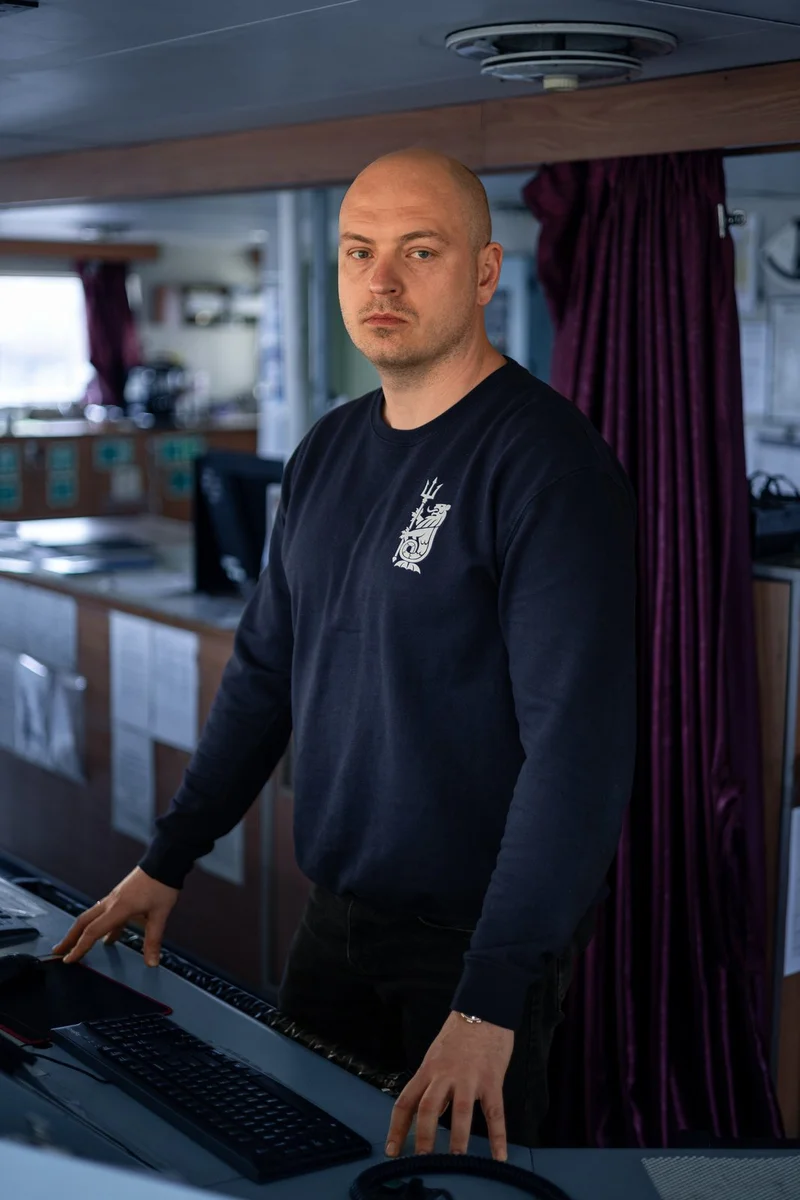
Structured preparation is the most effective defense against detentions and operational delays. Technical superintendents must implement rigorous internal audit schedules across the fleet. Understanding vessel inspection scope and types allows crews to anticipate surveyor demands accurately.
- Review previous reports. Analyze past PSC and class findings to ensure all corrective actions remain effective.
- Test emergency equipment. Verify that the emergency generator, fire pumps, and lifeboat engines start immediately.
- Update statutory logs. Ensure the Oil Record Book, Garbage Record Book, and rest hour logs are fully up to date.
- Conduct safety drills. Perform realistic fire and abandon-ship drills to demonstrate crew competency.
- Verify crew certification. Check that all medical certificates and STCW endorsements are valid and accessible.
- Inspect structural integrity. Examine hatch covers, watertight doors, and vent heads for excessive corrosion or damage.
- Test GMDSS equipment. Ensure daily, weekly, and monthly tests are logged and reserve power sources are fully charged.
- Inspect the Oily Water Separator. Confirm that the 15-ppm alarm functions correctly and no bypass arrangements exist.
Executing these steps methodically minimizes the risk of unexpected deficiencies. A well-prepared crew projects confidence and competence during the actual inspection process.
How do vetting frameworks align with statutory regulations?
Commercial vetting goes beyond baseline statutory compliance to assess the human element and operational safety culture. SIRE 2.0 became the mandatory tanker vetting standard on 2 September 2024, replacing VIQ7 (OCIMF, 2024). This transition emphasizes real-time operational performance rather than mere paperwork verification.
SIRE 2.0 inspections typically identify 20-30 findings per vessel, versus the 2-4 typical under VIQ7 (industry analysis, 2024). Operators must integrate their internal maintenance routines with these rigorous vetting requirements. Preparing for these assessments requires comprehensive SIRE 2.0 compliance strategies.
For dry bulk operators, RightShip's Inspection Ship Vetting (RISQ) framework is the dominant dry-cargo counterpart to OCIMF's SIRE 2.0 for tanker vetting; both are required for chartering with major energy and bulk shippers (RightShip, 2024). Aligning flag state preparation with vetting readiness ensures uninterrupted commercial trading.
When should shipowners hire third-party surveyors?
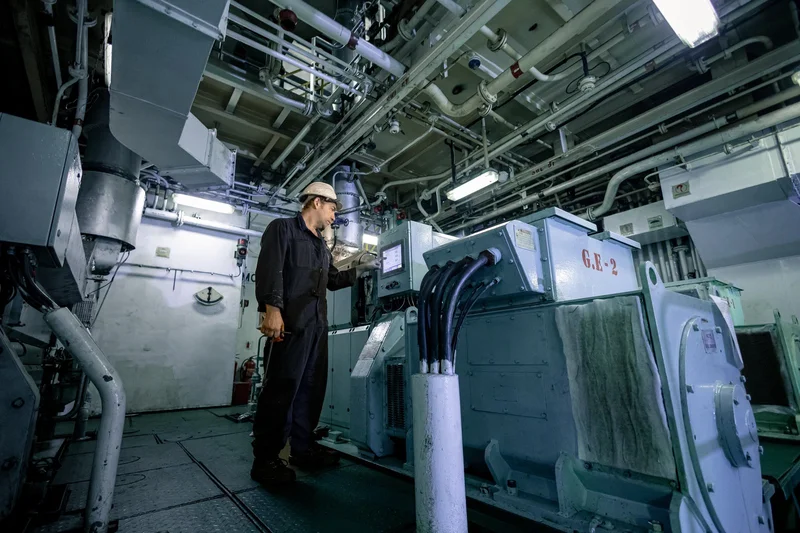
Engaging independent experts provides an objective assessment of a vessel's condition prior to official audits. The Maritime Labour Convention 2006 (MLC) is in force in countries representing over 97% of world gross shipping tonnage (ILO, 2026). Specialized surveyors ensure that complex MLC requirements regarding seafarer welfare and accommodation are fully met.
Third-party assessments are particularly valuable during vessel takeovers, reactivation from lay-up, or preparation for complex dry-docking periods. Comprehensive crew management protocols must be verified independently to guarantee compliance. These pre-inspections act as a vital safety net for operators.
Compliance restoration cases do not guarantee PSC, class or flag outcome, but are managed through structured corrective action and documented follow-up. This systematic approach ultimately protects the owner's asset value and trading capability.
Discuss flag state inspection services with Trident Maritime
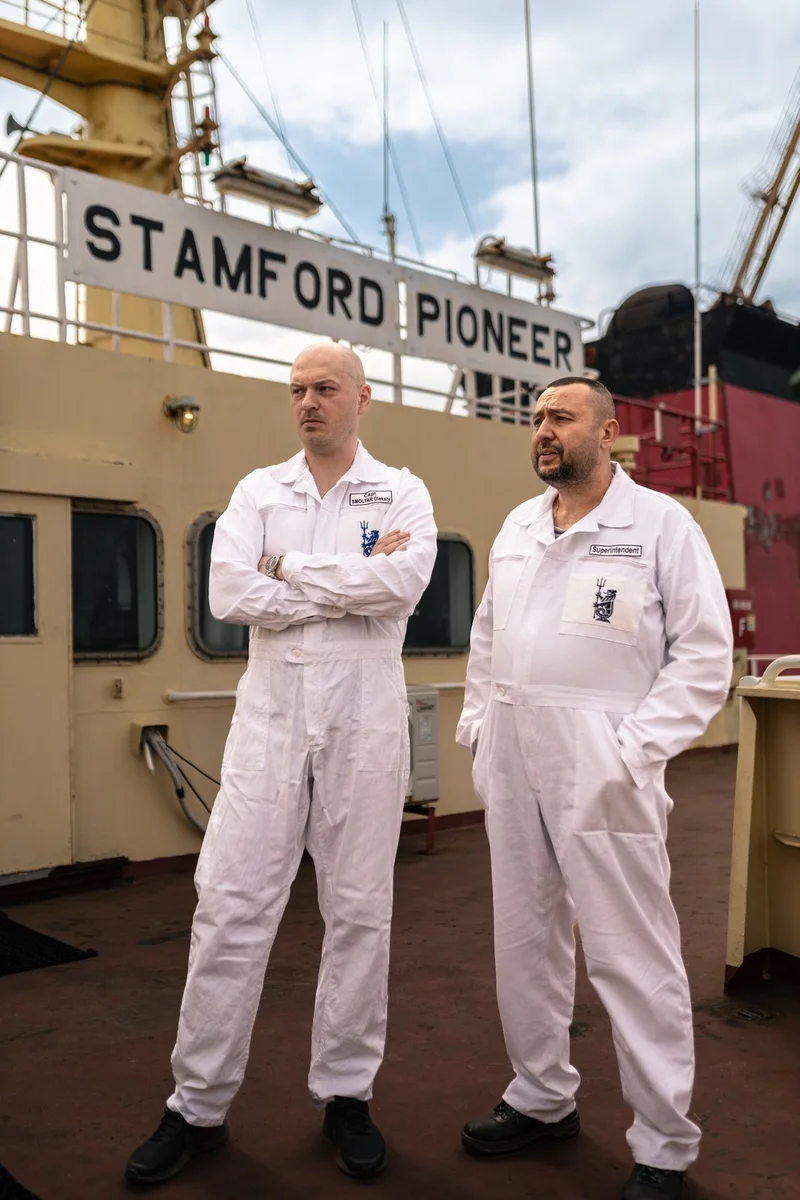
Trident Maritime provides comprehensive support for commercial vessels, ensuring strict adherence to international maritime regulations. As a BIMCO-member and ISO 9001/14001/45001 certified ship management provider, we operate a 24/7 emergency response network from our headquarters in Odesa and offices in Hamburg, Dubai, and Hong Kong. Our technical superintendents possess extensive experience handling tankers, gas carriers, containerships, and bulkers.
For a confidential discussion, contact our contacts page or email info@trident-maritime.com. Pricing is by arrangement and depends on vessel type, flag, trading area, and contract scope.
Frequently Asked Questions (FAQ)
What do flag state inspection services include?
Flag state inspection services involve a comprehensive and systematic review of a commercial vessel's statutory certificates, structural safety, lifesaving appliances, and environmental protection systems. These rigorous audits ensure full compliance with critical international conventions, including SOLAS, MARPOL, and the Maritime Labour Convention (MLC). Operators rely on these independent assessments to identify potential vulnerabilities before official statutory surveyors or port state control officers board the vessel.
How long does a compliance survey typically take?
A standard compliance survey generally takes one to two full days, depending heavily on the vessel's specific size, age, and operational type. Complex vessels, such as chemical tankers and gas carriers, often require additional time to thoroughly verify specialized cargo handling equipment and advanced safety management systems. Proper preparation by the onboard crew can significantly streamline the inspection timeline and minimize commercial disruptions.
Which vessel types require these statutory inspections?
All commercial cargo vessels engaged in international maritime trade, including bulkers, containerships, chemical tankers, and VLCCs, must undergo regular statutory inspections. Compliance is absolutely mandatory to maintain the vessel's active registry and valid trading certificates under international maritime law. Failure to pass these mandated inspections can result in immediate detention, loss of charter party agreements, and severe reputational damage for the operating company.
How do operators handle identified deficiencies?
Identified deficiencies must be rectified promptly through a structured corrective action plan that is formally approved by the relevant class society or flag administration. Technical managers coordinate immediate onboard repairs, dispatch specialized service engineers, and supply necessary spare parts to restore full regulatory compliance. Detailed documentation of all corrective measures is required to close out the findings and prevent recurring issues during future audits.
Are electronic certificates of competency accepted during audits?
Yes, recent STCW amendments mandate the widespread acceptance of electronic certificates of competency across the global maritime industry, effective from 2025. Statutory surveyors and port state control officers will rigorously verify these digital credentials against the issuing authority's secure online database during the physical inspection. Vessel operators must ensure that all onboard digital infrastructure supports the rapid retrieval and verification of these critical crew documents.
Who conducts the pre-vetting surveys for commercial fleets?
Independent technical superintendents and specialized third-party marine consultants typically conduct these critical pre-vetting surveys for commercial fleets. These maritime professionals possess deep, practical knowledge of IACS unified requirements, OCIMF vetting frameworks, and regional MoU targeting profiles. By leveraging their extensive operational experience, these experts provide shipowners with an objective, unbiased assessment of the vessel's true condition prior to any official regulatory audit.
Contact Trident Maritime
Need a consultation or proposal? Reach out through any of the channels below - we respond within one business day.
- Phone: +380487373735
- Email: info@trident-maritime.com
- Telegram: @tridentmaritime