Gas carrier management in 2026: Technical Guide
Gas carrier management in 2026 involves executing SIRE 2.0 vetting protocols, maintaining cryogenic containment systems, and ensuring STCW compliance for specialized crews. Fleet operators delegate technical oversight to certified third-party managers to navigate stringent IACS and OCIMF requirements. Discover the operational frameworks shaping LPG, LNG, and ammonia transport.
Gas carrier management encompasses technical supervision, crew certification, and regulatory compliance for vessels transporting liquefied gases under cryogenic or pressurized conditions.
What are the core regulatory frameworks governing gas carrier management in 2026?
Operating liquefied gas carriers requires strict adherence to the International Code for the Construction and Equipment of Ships Carrying Liquefied Gases in Bulk (IGC Code). This framework dictates vessel design, construction standards, and equipment specifications to minimize risks to the crew and environment. Compliance is monitored continuously by flag states and classification societies.
The International Association of Classification Societies establishes the unified requirements for structural integrity and essential engineering systems. The IACS comprises 12 member classification societies covering more than 90% of the world's cargo-carrying tonnage (IACS Annual Review 2025). Trident Maritime manages a fleet of 9 vessels, including LPG tankers, LNG tankers, chemical tankers, and bulk carriers, maintaining active classifications with BV, DNV, Lloyd's, ABS, ClassNK, and RINA.
Furthermore, the International Safety Management (ISM) Code mandates a robust Safety Management System (SMS) for every vessel. The SMS must document all emergency procedures, maintenance routines, and risk assessments specific to gas transport. Regular internal and external audits verify that these documented procedures translate into safe operational practices.
How does SIRE 2.0 impact LPG and LNG operational vetting?
Vetting standards for tankers and gas carriers have undergone a paradigm shift, focusing heavily on human factors and real-time operational readiness. SIRE 2.0 became the mandatory tanker vetting standard on 2 September 2024, replacing VIQ7 (OCIMF, 2024). This digital, risk-based inspection regime requires crews to demonstrate practical competence rather than merely presenting paperwork.
The transition has significantly increased the volume of observations during vetting. SIRE 2.0 inspections typically identify 20-30 findings per vessel, versus the 2-4 typical under VIQ7 (industry analysis, 2024). Operators must proactively utilize the Pre-Inspection Questionnaire (PIQ) and ensure all critical equipment photographs are uploaded to the OCIMF portal in advance.
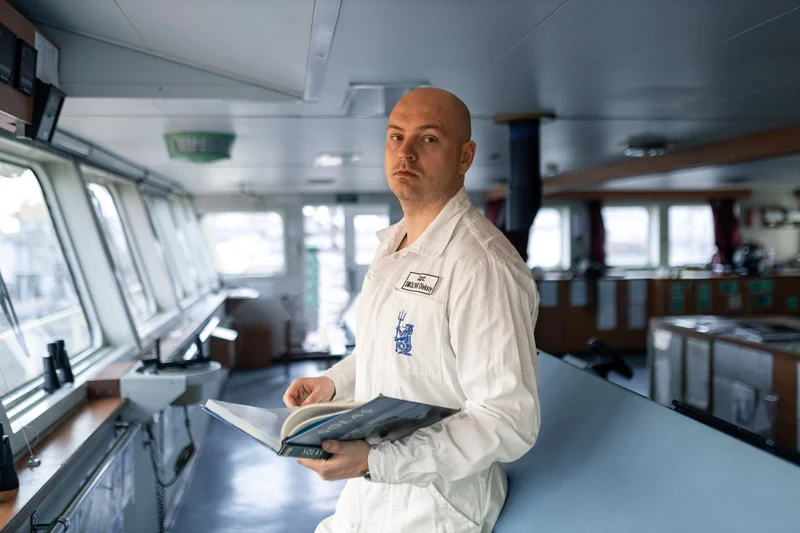
"Preparing for SIRE 2.0 requires shifting from static checklists to dynamic human-factor assessments, as inspectors now evaluate crew familiarity with cryogenic systems under stress."
- Capt. Oleksiy Smolyar, Master Mariner, DPA, CEO Trident Maritime
For more details on vetting preparation, operators can review our SIRE 2.0 inspection guide. Effective pre-vetting preparation is now a core operational competence for securing charter approvals.
What technical maintenance schedules apply to cryogenic containment systems?
Maintaining gas carriers requires specialized planned maintenance systems (PMS) tailored to extreme temperature fluctuations and pressurized cargo handling. Reliquefaction plants, cargo compressors, and cryogenic pumps demand precise overhaul intervals to prevent catastrophic failures. Technical superintendents monitor these systems using condition-based maintenance protocols.
Executing a comprehensive maintenance routine for a gas carrier involves several critical steps:
- Cargo containment inspection. Surveying primary and secondary barriers for thermal stress and insulation integrity.
- Reliquefaction plant overhaul. Replacing compressor seals and testing heat exchanger efficiency at specified running hours.
- Gas detection calibration. Verifying fixed and portable multi-gas detectors against span gases weekly.
- Emergency shutdown (ESD) testing. Activating ship-shore links and pneumatic valves to confirm rapid closure times.
- Pressure relief valve certification. Bench-testing cargo tank safety valves to ensure accurate lift pressures.
These maintenance tasks must be logged meticulously within the vessel's digital PMS. Documentation of these routines is frequently scrutinized during both class surveys and OCIMF vetting inspections.
How to evaluate class societies for gas carrier compliance?
Selecting the appropriate classification society is critical for maintaining the statutory compliance of a gas carrier fleet. Owners must evaluate societies based on their technical expertise in cryogenic systems, global surveyor network, and digital twin capabilities. All chosen societies must be recognized by the vessel's flag state.
The table below compares key criteria when evaluating major class societies for gas operations:
| Evaluation Criterion | Primary Consideration | Impact on Operations |
|---|---|---|
| IACS Membership | Must be an active member (e.g., DNV, BV, LR, ABS). | Ensures global acceptance by charterers and port state control. |
| Gas Fleet Market Share | Volume of LNG/LPG tonnage currently under class. | Indicates depth of specific engineering expertise and rule development. |
| Digital Integration | Availability of electronic certificates and 3D class models. | Reduces administrative burden and speeds up port clearances. |
| Surveyor Availability | Network density in key gas loading/discharge ports. | Minimizes delays when urgent statutory attendance is required. |
Bureau Veritas, DNV, ABS, Lloyd's Register, ClassNK, RINA, KR, CCS, IRS, PRS, CRS and RS are the 12 IACS member societies (IACS, 2025). Aligning with a top-tier class society ensures smoother dry-docking processes and stronger commercial viability.
What are the OPEX costs and budget benchmarks for gas carriers?
Controlling daily operating expenditures (OPEX) in gas carrier management requires balancing strict cryogenic safety standards against budget discipline. Specialized gas transport vessels command significantly higher running costs than conventional tankers or dry bulk tonnage due to cryogenic machinery overhauls, high officer wages, and premium marine insurance coverage.
Industry benchmarks for daily operating expenditures vary widely across vessel segments. The table below outlines standard 2026 OPEX allocations for Midsize LPG carriers (MGC, 38,000 cbm), Very Large Gas Carriers (VLGC, 84,000 cbm), and standard LNG carriers (174,000 cbm):
| Cost Category | Midsize LPG (MGC) ($/day) | VLGC LPG ($/day) | Conventional LNG ($/day) | Primary Cost Drivers |
|---|---|---|---|---|
| Crew Manning & Travel | $3,800 – $4,600 | $4,400 – $5,200 | $5,800 – $7,200 | Gas endorsements, matrix retention, specialized gas engineers |
| Technical Maintenance & Spares | $1,800 – $2,300 | $2,400 – $3,100 | $3,500 – $4,800 | Compressor seals, reliquefaction overhauls, cryogenic valves |
| Insurance (H&M, P&I) | $900 – $1,200 | $1,300 – $1,700 | $2,200 – $3,000 | High asset values, hazardous cargo liability profiles |
| Stores, Lubes & Nitrogen | $700 – $950 | $950 – $1,300 | $1,200 – $1,600 | Synthetic refrigeration oils, inert gas consumables, PPE |
| Management & Admin Overhead | $650 – $800 | $750 – $900 | $850 – $1,100 | Technical superintendence, SIRE 2.0 pre-vetting, ERP licenses |
| Total Daily OPEX | $7,850 – $9,850 | $9,800 – $12,200 | $13,550 – $17,700 | Excludes dry-dock amortizations and financing costs |
Failing to maintain cryogenic systems routinely creates compounding commercial losses. Unplanned off-hire caused by cargo compressor failure or failed cool-down procedures costs owners between $45,000 and $115,000 per day in lost charter revenue, far exceeding proactive maintenance investments.
Step-by-step process: Technical onboarding and takeover of a gas carrier
Taking over technical management of a gas carrier requires precision planning to transition safety systems without interrupting trading schedules or invalidating class certificates. A systematic takeover process mitigates technical risk and establishes baseline vetting readiness.
- Pre-takeover documentation and barrier audit. Reviewing primary and secondary containment insulation resistance logs, reliquefaction run-hours, historical boil-off rate (BOR) trends, and class survey status prior to physical attendance.
- Safety Management System (SMS) gap alignment. Updating vessel manuals to incorporate specialized gas-handling procedures, SIGTTO cargo guidelines, and company-specific Permit-to-Work protocols for hazardous zone 0 and zone 1 spaces.
- Flag State and Class interim certification. Coordinating with IACS surveyors and flag administrations to issue interim Safety Management Certificates (SMC), International Ship Security Certificates (ISSC), and Maritime Labour Certificates (MLC).
- Shipboard physical inspection and baseline audit. Superintendents attend the vessel to test emergency shutdown (ESD) closure response (verifying closure within 30 seconds), verify fixed combustible gas sensor zero/span calibrations, and inspect nitrogen generator purity levels exceeding 99.5%.
- SIRE 2.0 PIQ data synchronization. Updating OCIMF portal profiles, uploading equipment photographs, cross-referencing PMS maintenance records with vessel logs, and conducting crew behavioral walk-throughs before presenting the vessel to oil major charterers.
- First-cargo operational supervision. Technical superintendents supervise gassing-up, cool-down, and initial loading operations to confirm cargo pump hydraulic pressure profiles and manifold seal integrity under operational temperatures.
Common mistakes in gas carrier operations and how to avoid them
Even seasoned technical teams can encounter severe operational delays or safety incidents due to errors specific to liquefied gas thermodynamics. Identifying and mitigating these recurring pitfalls is essential for safeguarding ship assets and maintaining charter approvals:
- Exceeding tank cool-down thermal gradients. Introducing liquid cargo too rapidly into warm tanks induces thermal shock. Maximum cool-down rates must never exceed 10°C per hour for cargo piping and 1°C to 2°C per hour for containment structures to prevent cryogenic fatigue cracking and flange leaks.
- Inadequate inerting and high dew point levels. Gassing-up cargo tanks when the dew point of the inert gas exceeds -40°C causes moisture condensation. This ice crystals choke cargo pump suction strainers and freeze safety relief valve seats, resulting in port delays costing upwards of $30,000 in cargo heating and delays.
- Improper management of boil-off gas (BOG). Inefficient scheduling of reliquefaction compressors during laden voyages causes tank pressure build-up. This risks opening cargo tank relief valves or forcing emergency cargo flaring, which triggers mandatory flag and coastal state environmental violation reports.
- Discrepancies in SIRE 2.0 Pre-Inspection Questionnaire (PIQ). Submitting outdated overhaul logs for cargo pumps or expired calibration certificates for fixed gas detection systems results in immediate high-risk observations during OCIMF vetting audits, leading to loss of charter approvals.
What crew certification standards are required for specialized gas fleets?
Manning gas carriers requires highly trained seafarers who hold specific endorsements beyond standard STCW requirements. Officers and ratings must complete advanced training for liquefied gas tanker cargo operations, covering thermodynamics, toxicity, and cryogenic hazards. The IMO STCW Convention applies to approximately 1.2 million certificated seafarers on over 50,000 vessels worldwide (IMO, 2025).
Recent STCW amendments require electronic certificates of competency effective from 2025 (IMO MSC.535(107)). This digitalization streamlines the verification process during port state control and vetting inspections. Furthermore, operators must ensure strict compliance with the Maritime Labour Convention (MLC) to manage crew welfare and rest hours effectively.
Trident Maritime's crew management services ensure that all assigned personnel meet these rigorous matrix requirements. Our dedicated team verifies that every seafarer possesses the requisite SIGTTO-aligned training before joining an LPG or LNG vessel.
How does port state control evaluate gas carrier safety?
Port State Control (PSC) regimes rigorously inspect gas carriers to prevent substandard shipping and protect local port infrastructure. Inspectors focus on fire safety systems, cargo handling equipment, and the operational proficiency of the crew during emergency drills. Deficiencies in these areas can lead to immediate vessel detention and severe commercial penalties.
Paris MoU port state control inspects approximately 17,500 individual ships per year, with a detention rate around 3% (Paris MoU Annual Report, 2024). The Paris MoU detention rate rose to 4.03% in 2024, up from 3.81% in 2023. Gas carriers, due to their hazardous cargo, are often subject to expanded inspections under the New Inspection Regime (NIR).
Operators must conduct thorough pre-arrival checks to ensure all critical equipment is fully operational. Maintaining a clean PSC record is vital, as detentions directly impact a vessel's risk profile and its ability to secure lucrative charter contracts.
How does commercial optimization integrate with technical operations?
In the highly competitive gas transport sector, technical reliability directly dictates commercial success. A vessel that suffers frequent breakdowns or fails vetting inspections will face off-hire periods and reduced charter rates. Therefore, technical superintendents and commercial operators must work in close synchronization.
Effective commercial management relies on the technical department to provide accurate speed and consumption data for voyage estimating. Furthermore, minimizing off-hire time during scheduled dry-dockings ensures maximum earning potential. Preventive maintenance strategies are scheduled around commercial commitments to avoid disrupting cargo operations.
By aligning technical budgets with commercial revenue projections, shipowners achieve a balanced operational expenditure (OPEX). This integrated approach ensures that gas carriers remain both compliant and profitable throughout their lifecycle.
Discuss gas carrier management with Trident Maritime
Trident Maritime provides comprehensive operational support for LPG, LNG, and chemical tanker fleets globally. As a BIMCO member and ISO 9001/14001/45001 certified operator, we deliver rigorous technical oversight, SIRE 2.0 vetting preparation, and specialized crew deployment. Our 24/7 emergency response and dedicated technical superintendents ensure your gas carriers maintain peak compliance and commercial readiness.
For a confidential discussion regarding your fleet requirements, contact info@trident-maritime.com or visit our contacts page.
Frequently Asked Questions (FAQ)
What regulations govern gas carrier management in 2026?
Gas carrier management is strictly governed by the IMO's IGC Code, which dictates design and equipment standards. Additionally, operators must comply with the ISM Code for safety management systems and STCW requirements for specialized crew training. Classification societies enforce these statutory regulations globally.
How does SIRE 2.0 affect LPG and LNG vessels?
SIRE 2.0 transitioned vetting from a static checklist to a dynamic, risk-based assessment of human factors and equipment readiness. Inspectors now evaluate how crews interact with cryogenic systems under pressure. Preparing for SIRE 2.0 requires comprehensive pre-inspection uploads and continuous crew familiarization drills.
What maintenance is required for cryogenic containment systems?
Cryogenic maintenance involves regular overhauls of reliquefaction plants, calibration of multi-gas detectors, and testing of emergency shutdown (ESD) systems. Technical superintendents utilize condition-based monitoring to track compressor seal integrity and insulation performance, ensuring the vessel remains safe and commercially viable.
Which class societies are suitable for gas carriers?
Owners should select class societies that are full members of the International Association of Classification Societies (IACS), such as DNV, BV, Lloyd's Register, or ABS. These organizations possess the necessary engineering expertise and global surveyor networks required for complex gas containment and propulsion systems.
What training do seafarers need for gas carriers?
Seafarers serving on gas carriers require advanced STCW endorsements specific to liquefied gas tanker operations. This training covers thermodynamics, cryogenic hazards, toxicity, and emergency response. Compliance with SIGTTO competency standards is also heavily scrutinized by charterers during the vetting process.
How are gas carriers evaluated by port state control?
Port state control officers target critical safety systems on gas carriers, including fire-fighting appliances, cargo pump emergency stops, and gas detection logs. Deficiencies in these high-risk areas often lead to immediate vessel detention, which severely damages the operator's commercial reputation and vetting matrix.
Contact Trident Maritime
Need a consultation or proposal? Reach out through any of the channels below - we respond within one business day.
- Phone: +380487373735
- Email: info@trident-maritime.com
- Telegram: @tridentmaritime