Maritime business intelligence in 2026: A Guide
SIRE 2.0 inspections typically identify 20-30 findings per vessel, versus the 2-4 typical under VIQ7 (industry analysis, 2024), making data-driven preparation a core operational competence.
Maritime business intelligence in 2026 integrates real-time fleet performance data, SIRE 2.0 vetting analytics, and commercial chartering metrics for tankers, gas carriers, and bulkers. Shipowners use these structured insights to optimise voyage routing, monitor compliance, and streamline technical management across international maritime hubs.
Implementing maritime business intelligence requires aggregating vessel telemetry, port state control data, and bunker consumption metrics into a unified dashboard.
- How does maritime business intelligence work in 2026?
- What are the primary data sources for fleet analytics?
- How to implement maritime business intelligence?
- What is the difference between legacy reporting and predictive analytics?
- How do vetting requirements shape data strategies?
- How does data integration support ESG compliance?
- Which regions demand advanced analytical capabilities?
- Related reading
- FAQ
- Discuss maritime business intelligence with Trident Maritime
How does maritime business intelligence work in 2026?
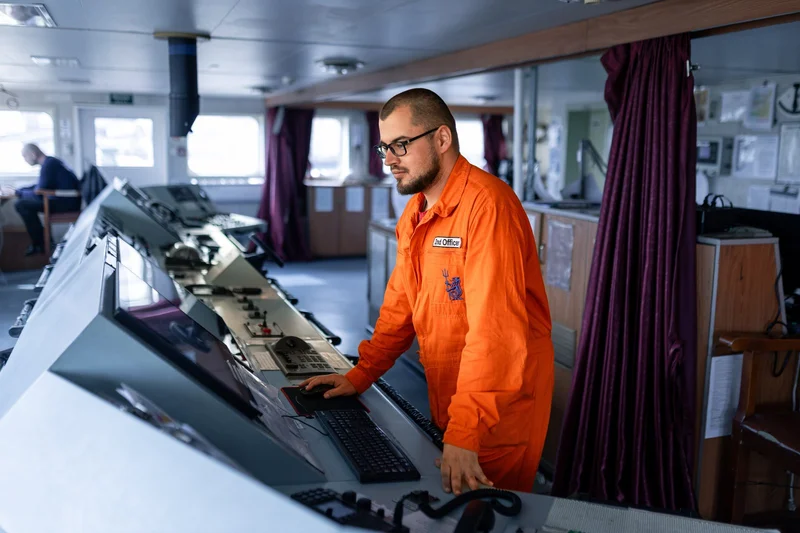
Operating commercial vessels requires continuous monitoring of technical and commercial parameters across the entire fleet. Through maritime business intelligence, operators track fuel consumption, engine telemetry, and crew certification status in real time. This structured approach replaces fragmented reporting with actionable operational insights.
Modern analytical platforms consolidate diverse data streams into unified dashboards accessible to both shore-based superintendents and shipboard personnel. This data feeds directly into commercial management decisions, optimising chartering operations and voyage planning. By leveraging these systems, shipowners can identify inefficiencies before they escalate into costly delays.
The transition from reactive troubleshooting to proactive management defines the current landscape of fleet operations. High-quality data integration enables technical teams to maintain strict oversight over complex vessel types, including VLCCs and gas carriers.
What are the primary data sources for fleet analytics?
Advanced analytics rely on continuous data streams from onboard sensors, manual log entries, and external regulatory databases. Engine telemetry, fuel flow meters, and navigational instruments provide the foundational layer of high-frequency operational data. This information is then cross-referenced with weather routing forecasts to optimise voyage efficiency.
External authority data plays an equally critical role in shaping fleet strategies. The IMO Net-Zero Framework, agreed in April 2025, targets net-zero emissions from international shipping by approximately 2050 (IMO MEPC 83). Tracking progress against these targets requires verified data collection systems integrated directly into the vessel's daily reporting routine.
Furthermore, classification society records provide vital insights into structural integrity and statutory compliance. The IACS comprises 12 member classification societies covering more than 90% of the world's cargo-carrying tonnage (IACS Annual Review 2025). Aggregating this class data helps operators anticipate dry-docking requirements and avoid unexpected off-hire periods.

How to implement maritime business intelligence?
Deploying a comprehensive analytics framework requires methodical planning and robust technical infrastructure. Operators must ensure that data collection methods are uniform across all managed vessels.
- Data standardisation. Align vessel reporting formats and taxonomy across the entire fleet to ensure consistency.
- Sensor integration. Connect engine telemetry, fuel flow meters, and emission monitoring systems to the central database.
- Compliance mapping. Integrate STCW, MLC, and EU ETS parameters into the daily reporting structure.
- Dashboard configuration. Customise visual interfaces specifically for technical superintendents and commercial operators.
- Crew training. Instruct onboard personnel on accurate data entry, system maintenance, and cybersecurity protocols.
Proper implementation significantly reduces administrative burdens on the crew while improving data accuracy. It also ensures that shore-based teams have immediate access to critical operational metrics during emergencies. For guidance on setting up these frameworks, our marine consultancy team provides project-specific support tailored to fleet requirements.
What is the difference between legacy reporting and predictive analytics?
Legacy systems often rely on manual noon reports, which are prone to human error and provide only a retrospective view of operations. Predictive models, conversely, utilise high-frequency data to forecast maintenance needs before equipment failure occurs. This shift enhances the overall safety and efficiency of fleet operations.
| Criterion | Legacy Reporting | Predictive Analytics |
|---|---|---|
| Data Frequency | Once daily (noon reports) | Continuous real-time telemetry |
| Maintenance Strategy | Reactive / Calendar-based | Condition-based / Predictive |
| Compliance Verification | Manual document checks | Automated digital tracking |
| Commercial Impact | Historical voyage analysis | Real-time voyage optimisation |
Transitioning to predictive analytics requires an initial investment in onboard hardware and shore-based software infrastructure. However, the long-term benefits include reduced bunker consumption and fewer unplanned maintenance events. This technological upgrade is now a standard requirement for competitive commercial operations.

How do vetting requirements shape data strategies?
Tanker and gas carrier operators face increasingly stringent vetting standards that demand comprehensive digital records. SIRE 2.0 became the mandatory tanker vetting standard on 2 September 2024, replacing VIQ7 (OCIMF, 2024). Preparing for these rigorous inspections requires robust data management to demonstrate continuous compliance rather than episodic readiness.
Inspectors now evaluate a vessel's historical performance data, maintenance logs, and crew familiarisation records during the vetting process. Over 90% of tanker operators use OCIMF TMSA-3 to assess their safety management systems (OCIMF, 2024). Integrating these TMSA elements into a central intelligence platform allows technical managers to identify compliance gaps long before an inspector boards the vessel.
A proactive data strategy directly influences commercial viability in the liquid bulk sector. Vessels with transparent, easily verifiable digital histories secure charter approvals faster and face fewer operational restrictions from oil majors.
How does data integration support ESG compliance?
Environmental, Social, and Governance (ESG) reporting is no longer a peripheral activity; it is central to maritime operations. Operators must track greenhouse gas emissions, ballast water management, and waste disposal with high precision. Advanced intelligence platforms automate the collection of these metrics, ensuring accuracy for regulatory submissions.
The social component of ESG relies heavily on effective crew management and welfare tracking. The Maritime Labour Convention 2006 (MLC) is in force in countries representing over 97% of world gross shipping tonnage (ILO, 2026). Digital platforms help operators monitor work and rest hours, ensuring strict adherence to MLC requirements and preventing crew fatigue.
Governance is demonstrated through transparent auditing and incident reporting procedures. By centralising this data, shipowners can easily generate comprehensive ESG reports for charterers, financiers, and regulatory bodies. This transparency builds trust and secures favourable commercial terms in a highly regulated market.
Which regions demand advanced analytical capabilities?
Global shipping hubs enforce rigorous operational standards, demanding high efficiency and strict regulatory adherence from visiting vessels. Operators trading in Germany, the UAE, Hong Kong, and Singapore heavily utilise data platforms to manage complex port turnarounds. These jurisdictions require precise environmental reporting, making automated data collection indispensable.
In European ports like Rotterdam and Hamburg, EU ETS compliance necessitates continuous emission tracking and allowance forecasting. Similarly, operations in the UAE and Saudi Arabia require meticulous coordination of technical services and bunker procurement. A centralised intelligence platform allows operators to manage these regional complexities without overwhelming the onboard crew.
Efficient data flow also supports seamless crew changes and logistical coordination across major hubs like Cyprus, Greece, and Monaco. By anticipating regional requirements through predictive analytics, fleet managers can avoid costly delays and port state control detentions.
Related reading
Expand your knowledge of modern maritime operations with our technical resources and industry guides. These articles provide deeper insights into fleet optimisation and regulatory compliance.
- Shipping management in 2026: A Technical Guide
- Vessel Management in 2026: A Technical Guide for Shipowners
- Maritime telecommunications in 2026: Fleet Connectivity Guide

Discuss maritime business intelligence with Trident Maritime
Trident Maritime provides comprehensive ship management services backed by robust operational data. As a BIMCO member certified to ISO 9001, 14001, and 45001 standards, we support fleets across global hubs including Hamburg, Dubai, and Hong Kong. Our technical teams utilise advanced analytics to maintain peak vessel performance, ensure SIRE 2.0 readiness, and optimise commercial operations.
For a confidential discussion, contact info@trident-maritime.com or visit our contacts page.