Pre-CDI inspection chemical tanker in 2026: Guide
A structured pre-CDI inspection chemical tanker assessment is essential as tanker operators face roughly 20-30 SIRE 2.0 findings per inspection - up from 2-4 under the legacy VIQ7 regime - making pre-vetting preparation a core operational competence rather than a documentation exercise (OCIMF, 2024).
- What is a pre-CDI inspection chemical tanker assessment?
- How do technical assessments evaluate vessel condition?
- What separates CDI standards from SIRE 2.0?
- How does STCW compliance impact crewing?
- Why is flag-state and class coordination critical?
- How to prepare for chemical tanker vetting?
- Discuss vessel inspections with Trident Maritime
A pre-CDI inspection chemical tanker review in 2026 covers statutory compliance, crew certification, and operational safety. Operators rely on technical management to identify deficiencies before the official Chemical Distribution Institute audit. Discover the frameworks and preparation steps required for successful vetting.
Thorough preparation mitigates operational risks and ensures continuous trading capabilities for complex tonnage. Technical managers deploy structured methodologies to align vessel condition with charterer expectations.
What is a pre-CDI inspection chemical tanker assessment?
Executing a pre-CDI inspection chemical tanker audit involves a comprehensive review of a vessel's safety management system, structural integrity, and cargo handling equipment. The Chemical Distribution Institute (CDI) maintains stringent standards for vessels transporting bulk liquid chemicals. Operators conduct these preliminary audits to identify and rectify non-conformities before the official CDI inspector boards the vessel.
During this phase, superintendents scrutinize the Certificate of Fitness, cargo record books, and the planned maintenance system. The focus remains heavily on MARPOL Annex II compliance, ensuring that noxious liquid substances are handled, stowed, and discharged according to international regulations. Engaging professional Marine consultancy services provides an objective evaluation of the vessel's readiness.
Vessels that fail to meet CDI standards face immediate commercial consequences, including rejection by major chemical charterers. Proactive auditing transforms compliance from a reactive scramble into a predictable, managed process.
How do technical assessments evaluate vessel condition?
Technical assessments require a methodical approach, examining both the physical state of the ship and the crew's familiarity with critical operations. Inspectors test cargo pumps, inert gas systems, and manifold arrangements to verify they operate within design parameters. The evaluation also covers life-saving appliances and fire-fighting equipment, which must be ready for immediate deployment.
"Any technical assessment is based on available documents, vessel condition at the time of inspection and access granted onboard."
- Capt. Oleksiy Smolyar, Master Mariner, CEO Trident Maritime
A realistic evaluation acknowledges that operational wear and tear occurs, but maintenance records must demonstrate timely corrective actions. Understanding the Vessel Inspection Scope and Types in 2026: Owner's Guide helps owners anticipate the depth of these technical reviews. Transparency during the pre-vetting phase allows technical managers to implement necessary repairs before the formal audit.
Effective technical assessments bridge the gap between regulatory requirements and daily shipboard operations.
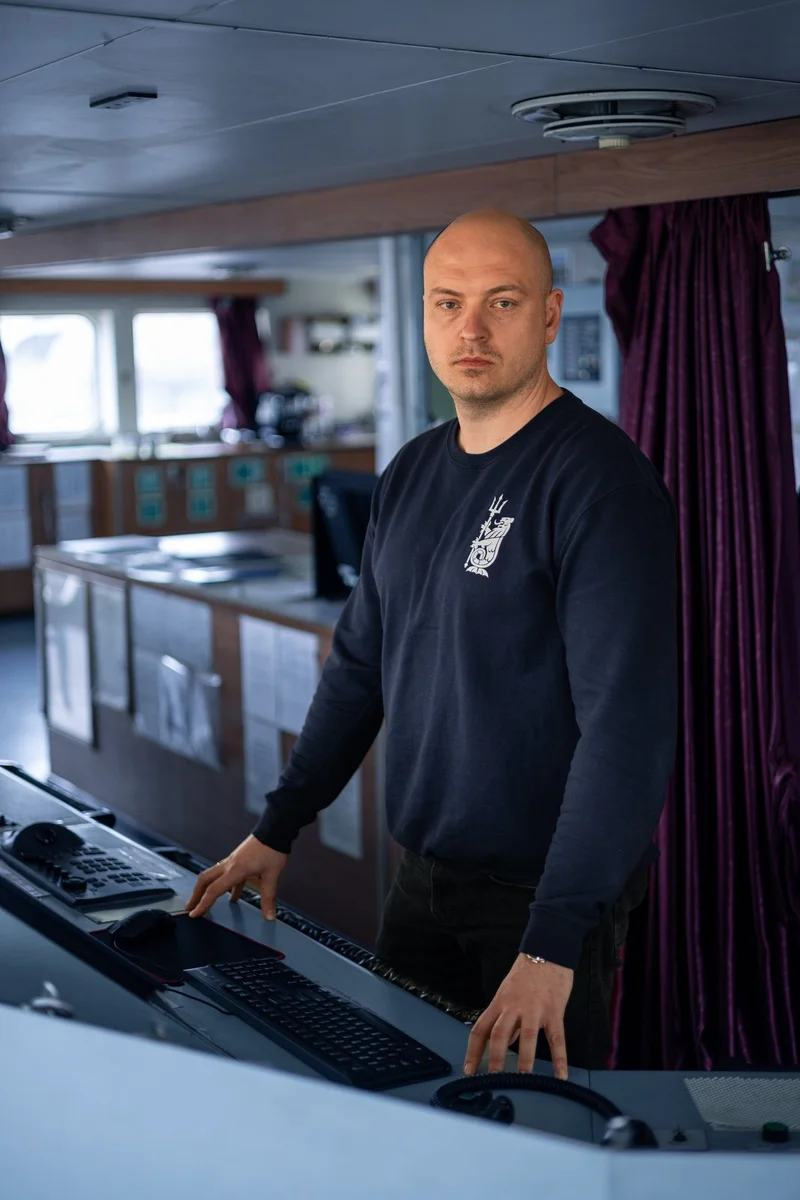
What separates CDI standards from SIRE 2.0?
While both frameworks aim to elevate maritime safety, their scopes and methodologies differ significantly. SIRE 2.0 became the mandatory tanker vetting standard on 2 September 2024, replacing VIQ7 (OCIMF, 2024). SIRE 2.0 applies broadly to oil tankers, chemical carriers, and gas carriers, utilizing a risk-based approach with tablet-based reporting.
Conversely, the CDI framework is tailored exclusively for the chemical and gas supply chain, focusing intensely on the specific hazards of chemical cargoes. The CDI questionnaire dives deeper into chemical-specific safety equipment, tank coating compatibility, and specialized cargo handling procedures. Both systems demand rigorous preparation, but the technical focus areas diverge based on the cargo's risk profile.
| Criterion | CDI Inspection | SIRE 2.0 Inspection |
|---|---|---|
| Primary Focus | Chemical and gas distribution safety | General liquid bulk safety and human factors |
| Governing Body | Chemical Distribution Institute | Oil Companies International Marine Forum (OCIMF) |
| Reporting Mechanism | Detailed questionnaire format | Tablet-based, risk-assessed findings |
| Human Element | Standard crew competence checks | Deep integration of human factors and behavior |
Charterers often require both CDI and SIRE 2.0 approvals for chemical tankers to maximize trading flexibility. Detailed guidance on these frameworks can be found through the International Maritime Organization.
How does STCW compliance impact crewing?
Crew competence is a decisive factor in any vetting inspection, as human error remains a primary cause of maritime incidents. The IMO STCW Convention applies to approximately 1.2 million certificated seafarers on over 50,000 vessels worldwide (IMO, 2025). For chemical tankers, STCW requirements mandate specialized training, including the Advanced Training for Chemical Tanker Cargo Operations.
Vetting inspectors closely examine the crew matrix to ensure adequate experience in rank and time with the operator. Deficiencies in the crew matrix or expired certificates routinely lead to vetting failures. Partnering with a robust Crew management provider ensures that all onboard personnel hold valid, verifiable credentials.
Furthermore, inspectors assess the crew's practical ability to execute emergency procedures, such as toxic vapor releases or chemical spills. Theoretical knowledge must translate into effective physical response during drills.
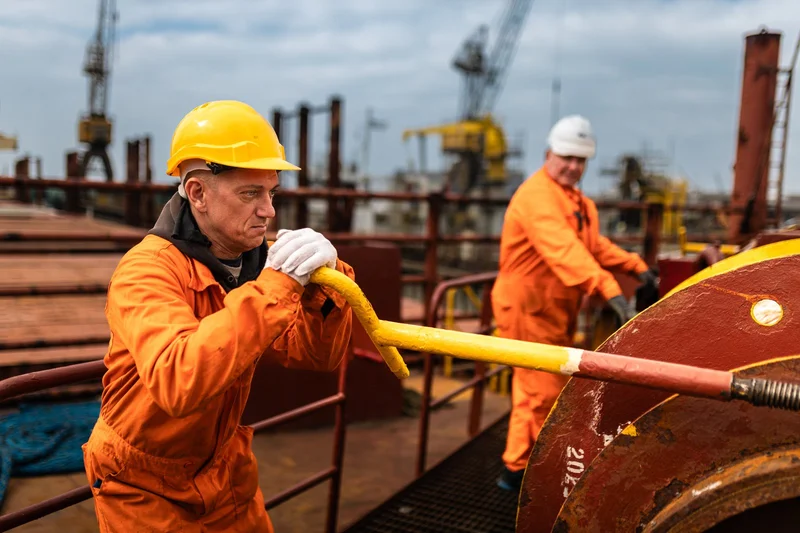
Why is flag-state and class coordination critical?
Maintaining a vessel's trading certificates requires seamless coordination between the shipowner, the flag state, and the classification society. All vessel inspections, audits and surveys are subject to flag-state, class and port-state requirements. A lapse in statutory certification immediately invalidates both CDI and SIRE approvals, halting commercial operations.
The IACS comprises 12 member classification societies covering more than 90% of the world's cargo-carrying tonnage (IACS Annual Review 2025). These societies issue critical documents like the International Safety Management (ISM) certificate and the International Ship Security Certificate (ISPS). Port state control authorities rely heavily on these class-issued documents to determine a vessel's risk profile.
For example, Paris MoU port state control inspects approximately 17,500 individual ships per year, with a detention rate around 3% (Paris MoU Annual Report, 2024). Coordination with bodies like the International Association of Classification Societies ensures that technical modifications meet international standards.
How to prepare for chemical tanker vetting?
Scheduling a pre-CDI inspection chemical tanker evaluation requires a structured timeline and clear delegation of responsibilities. Ad-hoc preparation inevitably leads to missed observations and subsequent vetting rejections. Technical superintendents must follow a standardized methodology to ensure all critical systems are verified.
- Review statutory documentation. Ensure all class certificates, manuals, and crew licenses are valid and endorsed.
- Execute system tests. Physically test cargo pumps, high-level alarms, and emergency shutdown systems.
- Conduct safety drills. Perform chemical spill and fire drills to verify crew readiness and familiarity.
- Analyze maintenance records. Confirm the planned maintenance system reflects actual onboard conditions.
- Implement corrective actions. Address all identified deficiencies before the official inspector arrives.
Effective preparation integrates input from the master, chief engineer, and shore-based management. Engaging Commercial management teams ensures that the vetting schedule aligns with cargo availability and charterer requirements.
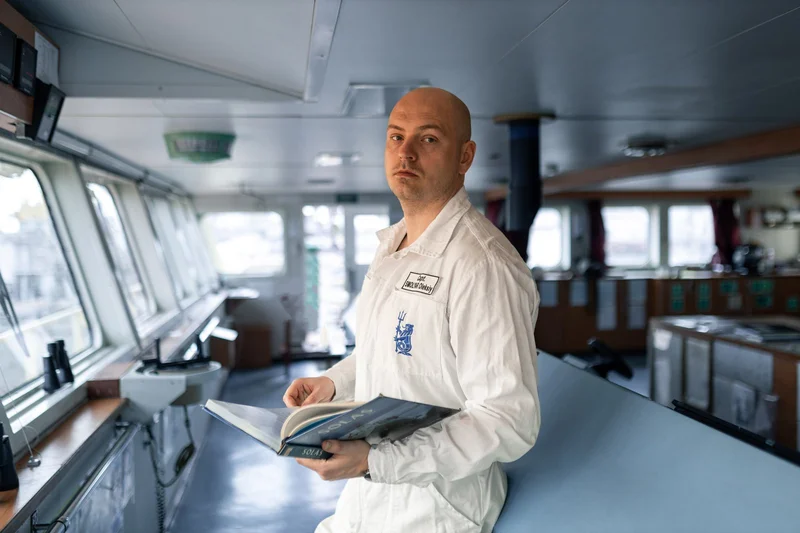
Discuss vessel inspections with Trident Maritime
Trident Maritime provides comprehensive technical and operational support for complex chemical tanker fleets. As a BIMCO member certified to ISO 9001, ISO 14001, and ISO 45001 standards, we deliver rigorous pre-vetting audits that align with 2026 CDI and SIRE 2.0 requirements. Our superintendents operate globally from offices in Odesa, Hamburg, Dubai, and Hong Kong, ensuring your vessels maintain continuous commercial viability.
Pricing for inspection services is by arrangement and depends on vessel type, flag, trading area, and contract scope. For a confidential discussion regarding your fleet's vetting readiness, contact info@trident-maritime.com or visit our contacts page.
Frequently Asked Questions (FAQ)
What does a pre-CDI inspection chemical tanker cover?
It covers a comprehensive review of the vessel's safety management system, cargo handling equipment, and statutory compliance. Superintendents verify that all MARPOL Annex II requirements are met and that the crew is fully trained for bulk chemical operations.
How long does a pre-vetting assessment typically take?
A thorough pre-vetting assessment generally takes two to three days, depending on vessel size and condition. This timeframe allows technical teams to test critical equipment, review documentation, and conduct practical safety drills with the crew.
Which flag states accept electronic Certificates of Competency?
Most major flag states, including Liberia, the Marshall Islands, and Panama, now accept electronic Certificates of Competency. Recent STCW amendments require electronic certificates of competency effective from 2025, streamlining the verification process during port state control and vetting audits.
What is the difference between CDI and SIRE 2.0?
CDI is specifically designed for chemical and gas distribution, focusing heavily on chemical-specific hazards and equipment. SIRE 2.0, managed by OCIMF, applies to a broader range of tankers and utilizes a risk-based, tablet-driven approach heavily focused on human factors.
How does the crew matrix affect vetting results?
The crew matrix is critical; inspectors require specific levels of experience in rank and time with the operator for senior officers. A non-compliant crew matrix often results in immediate vetting failure, restricting the vessel's ability to secure profitable chemical charters.
Can technical assessments guarantee a passing CDI score?
While no assessment can guarantee a passing score, rigorous preparation significantly reduces the likelihood of critical observations. Any technical assessment is based on available documents, vessel condition at the time of inspection and access granted onboard, providing a baseline for corrective actions.
Contact Trident Maritime
Need a consultation or proposal? Reach out through any of the channels below - we respond within one business day.
- Phone: +380487373735
- Email: info@trident-maritime.com
- Telegram: @tridentmaritime