Pre-Vetting Inspection Tanker Guide for 2026
A pre-vetting inspection tanker audit is crucial for navigating SIRE 2.0, where inspections now yield 20-30 findings, a significant jump from VIQ7. This guide details how to prepare your vessel to ensure charterer acceptance and continuous commercial operation. Contact Trident Maritime for expert pre-vetting services.
- What is a pre-vetting inspection tanker in the SIRE 2.0 era?
- How has the focus shifted from VIQ7 to SIRE 2.0?
- What are the most common vetting deficiencies?
- How should a ship manager prepare a vessel?
- What is the role of senior officers in vetting readiness?
- How do Class and Flag requirements-intersect-with-vetting?
- Discuss Your Pre-Vetting Inspection Needs with Trident Maritime
- Contact Trident Maritime
The transition to OCIMF’s SIRE 2.0 programme has fundamentally changed tanker vetting, with inspections now generating 20-30 findings on average, a significant increase from the 2-4 typical under the legacy VIQ7 system. This shift requires a deeper, more integrated approach to vessel readiness, moving beyond simple checklist compliance to a demonstrable safety culture. A thorough pre-vetting inspection tanker audit is no longer optional but a core component of successful commercial operations.
What is a pre-vetting inspection tanker in the SIRE 2.0 era?
A pre-vetting inspection is an internal audit conducted by or on behalf of the shipowner or manager to identify and rectify potential deficiencies before an official vetting inspection by an oil major's representative. Since SIRE 2.0 became the mandatory standard on 2 September 2024, the nature of these inspections has evolved significantly. It is now a comprehensive assessment of the vessel's condition, the crew's competence, and the effectiveness of the onboard Safety Management System (SMS).
The process simulates a real SIRE 2.0 inspection, using a similar methodology that combines hardware checks, procedure reviews, and in-depth crew interviews. The goal is to uncover gaps between written procedures and actual practices. As an ISO 9001/14001/45001 certified manager, our approach to vessel inspections is grounded in this principle of verifiable compliance, ensuring that what is documented in the SMS is what is practised on deck and in the engine room.
Unlike a statutory Flag State or Class survey, a pre-vetting inspection is a commercial prerequisite. A poor result in an official vetting can render a tanker commercially unviable for months, blocking it from charters with top-tier energy companies. Therefore, this internal audit is a critical risk management tool for ensuring continuous vessel employment.
A pre-vetting inspection under SIRE 2.0 is an evidence-based health check of a vessel's operational readiness, focusing on human factors and the demonstrable implementation of safety procedures.
How has the focus shifted from VIQ7 to SIRE 2.0?
The introduction of SIRE 2.0 by OCIMF represents the most significant change in vessel vetting in a generation. The old Vessel Inspection Questionnaire (VIQ7) was largely a compliance checklist, whereas SIRE 2.0 is a risk-based assessment tool designed to provide a more accurate picture of onboard safety culture. The inspection is now conducted on a tablet using a dynamic Compiled Vessel Inspection Questionnaire (CVIQ), with questions tailored to the vessel type and its equipment.
The primary shift is towards the human element. Inspectors are trained to conduct detailed interviews with crew members at all levels to assess their understanding of their roles, equipment, and emergency procedures. This is a direct test of the effectiveness of the company's crew management and training systems. A vessel can have perfect hardware but receive a negative report if the crew cannot confidently explain how they manage critical tasks.
The table below summarises the key differences between the legacy and current regimes.
| Criterion | VIQ7 (Legacy System) | SIRE 2.0 (Current Standard) |
|---|---|---|
| Inspection Type | Questionnaire-based checklist | Risk-based, comprehensive assessment |
| Question Format | Static, Yes/No/Not Applicable | Dynamic, graded responses (1-4), performance-influencing factors |
| Inspector's Role | Auditor checking compliance | Assessor evaluating risk and performance |
| Core Focus | Hardware and documentation | Human Element, procedures in practice, and safety culture |
| Technology | Paper-based or simple digital forms | Intrinsically safe tablet with real-time CVIQ generation |
| Outcome | List of observations | Detailed report with graded findings, photographic evidence, and root cause analysis |
SIRE 2.0 moves beyond asking 'Do you have a procedure?' to 'Show me how this procedure works in practice and explain why it is important,' making it a true test of a vessel's operational integrity.
What are the most common vetting deficiencies?
While SIRE 2.0 reports are confidential, data from Port State Control (PSC) offers a reliable indicator of common problem areas. The Paris MoU's 2024 annual report, which recorded a detention rate of 4.03%, consistently highlights issues in fire safety, navigation equipment, and MARPOL-related documentation. In our experience managing tankers, these statutory issues are frequently mirrored and expanded upon during commercial vetting.
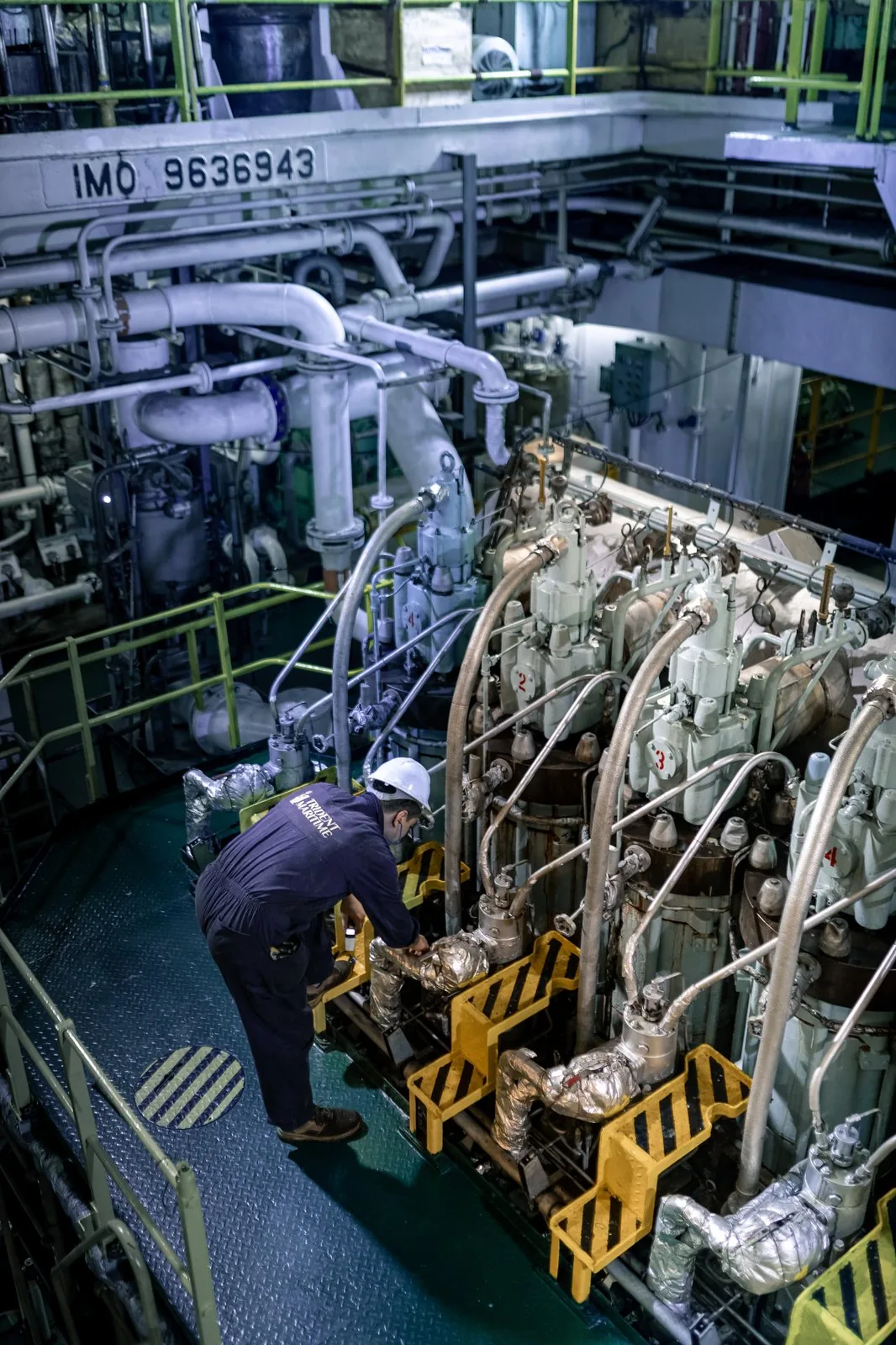
Common deficiencies identified during a pre-vetting inspection tanker audit include:
- Passage Planning: Inadequate appraisal and planning stages, particularly concerning ECDIS settings, safety contours, and contingency plans. Inspectors now verify that the plan is a 'berth-to-berth' guide used by the entire bridge team.
- Mooring Operations: Incorrect management of mooring lines, failure to identify and mark snap-back zones, and poor winch maintenance. This is a major focus area due to the high potential for serious incidents.
- Engine Room Housekeeping: Oil leaks, lagging insulation deficiencies, and improperly maintained bilge systems. A clean and well-ordered engine room is seen as an indicator of a disciplined and professional engineering team.
- ISM/MLC Documentation: Gaps in records for rest hours, drills, and non-conformity reports. SIRE 2.0 places a heavy emphasis on the quality of reporting and follow-up actions, testing the core of a vessel's technical management system.
The most frequent vetting deficiencies often relate not to catastrophic equipment failure but to the gradual erosion of operational discipline and procedural adherence.
How should a ship manager prepare a vessel?
Preparing a tanker for a SIRE 2.0 inspection is a continuous process, not a last-minute activity. It requires a systematic approach that integrates shore-based management with onboard leadership. The process should be embedded within the company's ISO 9001 quality management framework and driven by data from past inspections, audits, and internal reports.
A structured preparation plan involves several key stages:
- Shore-Based Review: Management must ensure the vessel's SMS is aligned with OCIMF's Tanker Management and Self Assessment (TMSA-3) programme. Any identified gaps between the company's procedures and industry best practices must be closed.
- Onboard Self-Assessment: The Master and senior officers should conduct their own regular inspections using the SIRE 2.0 CVIQ as a reference. This builds familiarity with the new question formats and performance-based expectations.
- Third-Party Pre-Vetting Inspection: Engaging an experienced external inspector provides an objective, independent assessment. This audit identifies 'blind spots' the crew may have become accustomed to and provides a realistic preview of the official inspection.
- Crew Training and Briefing: Focus training on the 'why' behind procedures. Conduct mock interviews to build crew confidence in articulating their knowledge to an inspector. This is a core part of our marine consultancy services.
- Targeted Maintenance: Address all known defects from the Planned Maintenance System (PMS) and any new issues identified during the pre-vetting audit. Ensure all critical equipment has been tested and records are complete.
Effective preparation for a SIRE 2.0 inspection is a cycle of self-assessment, independent verification, and continuous improvement, driven by management commitment and crew engagement.
What is the role of senior officers in vetting readiness?
Under SIRE 2.0, the Master, Chief Engineer, Chief Officer, and Second Engineer are not just hosts; they are the primary subjects of the assessment. Their leadership, technical knowledge, and ability to communicate the vessel's safety culture are directly evaluated. Their performance is a direct reflection on the ship manager's selection and development process.

The Master must be able to articulate the vessel's risk assessments for key operations and demonstrate effective command and control during drills. The Chief Engineer must prove the integrity of the PMS and explain the maintenance strategy for critical machinery. According to the International Maritime Organization's ISM Code, the responsibility for ensuring the SMS is implemented and maintained rests squarely with the company, but it is the senior officers who execute it daily.
The inspector will spend significant time with senior officers, reviewing records, discussing recent operations, and probing their understanding of company policies. Their ability to provide clear, evidence-based answers is crucial. A well-prepared senior team can confidently guide an inspector through their departmental responsibilities, demonstrating a robust and living safety system.
Senior officers are the custodians of the vessel's safety culture; their competence and leadership are the most critical factors in a successful SIRE 2.0 outcome.
How do Class and Flag requirements-intersect-with-vetting?
While vetting is a commercial requirement driven by charterers, it is built upon the foundation of statutory compliance mandated by Flag States and Classification Societies. A vetting inspector presumes that a vessel is fully compliant with all SOLAS, MARPOL, and MLC regulations. The inspection will verify this, and any failure in statutory compliance will lead to a negative vetting observation.
Classification Societies, who are members of the International Association of Classification Societies (IACS), establish the technical standards for a vessel's hull, machinery, and equipment. A vessel that is not 'in Class' is uninsurable and cannot trade. A vetting inspector will review Class records to check for overdue surveys, conditions of class, or recurring technical issues that may indicate underlying problems.
Similarly, a poor Port State Control record, such as a detention reported by the Paris MoU or Tokyo MoU, is a major red flag. It signals to the charterer that the vessel has systemic issues with its management or condition. A robust pre-vetting inspection process must therefore include a thorough review of all statutory and Class certificates and survey reports to ensure there are no outstanding issues.
Statutory compliance is the non-negotiable baseline for tanker operations; commercial vetting serves as a higher-level audit to ensure this compliance translates into safe and reliable performance.
Related Reading
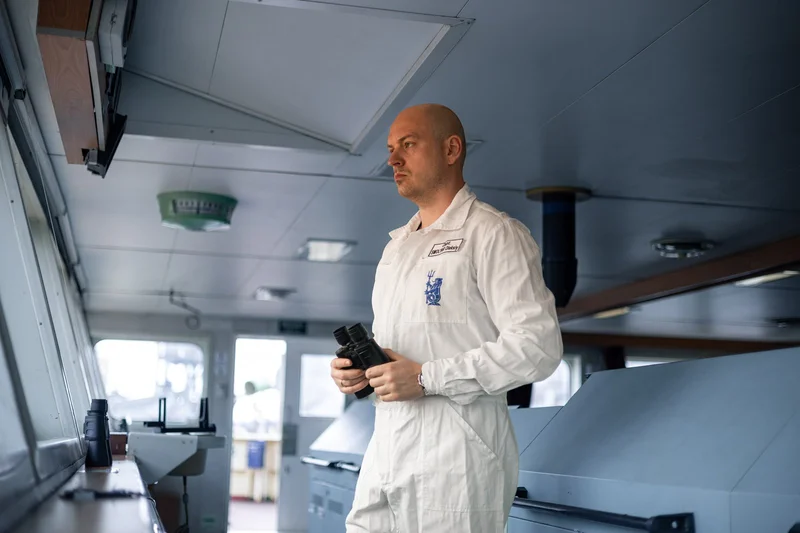
Discuss Your Pre-Vetting Inspection Needs with Trident Maritime
Preparing a tanker for the rigours of SIRE 2.0 requires deep operational expertise and a systematic approach. As a BIMCO member with ISO 9001, 14001, and 45001 certifications, Trident Maritime provides comprehensive vessel inspection and pre-vetting services. Our team of experienced master mariners and chief engineers, operating from offices in Odesa, Hamburg, Dubai, and Hong Kong, can deliver the objective assessment needed to ensure your vessel's commercial readiness.
We help owners and operators identify and mitigate risks before they impact chartering opportunities. Our services are tailored to your vessel's specific needs, providing a clear roadmap for compliance and operational excellence.
For a confidential discussion, contact info@trident-maritime.com or visit our contacts page.
Frequently Asked Questions (FAQ)
What is the difference between a pre-vetting inspection and a SIRE inspection?
A pre-vetting inspection is an internal audit initiated by the ship manager or owner to prepare for the official inspection. The official SIRE 2.0 inspection is conducted by an OCIMF-accredited inspector on behalf of a charterer (an oil major). The pre-vetting inspection aims to identify and correct the same issues an official inspector would find, making it a critical preparatory step to ensure the vessel is accepted by charterers.
How long does a pre-vetting inspection typically take?
A comprehensive pre-vetting inspection for a tanker usually takes one to two full days, depending on the vessel's size, type (oil, chemical, gas), and overall condition. The duration is similar to an official SIRE 2.0 inspection, as it must cover all aspects of the CVIQ, including hardware checks, documentation review, and extensive interviews with the crew. The goal is a thorough assessment, not a quick check.
Can a vessel 'fail' a SIRE 2.0 inspection?
SIRE 2.0 does not use a simple 'pass/fail' grade. Instead, it generates a detailed report with graded observations on a scale of 1 to 4. A charterer's technical team reviews this report and makes a commercial decision on whether to accept the vessel. A report with numerous high-level negative observations or a single critical finding (e.g., a major safety breach) will almost certainly lead to the vessel being rejected for that specific charter.
What is the OCIMF TMSA programme?
The Tanker Management and Self Assessment (TMSA) programme is an OCIMF tool for ship operators to assess and improve their own safety management systems. The current version, TMSA-3, contains 13 elements of management practice. A SIRE 2.0 inspection is essentially the onboard verification of how well a company's TMSA-aligned policies are being implemented at the vessel level. A strong TMSA score is a prerequisite for passing vetting inspections.
How often are tankers required to undergo vetting inspections?
A SIRE inspection report is generally considered valid by oil majors for six months. Therefore, tankers in the spot market typically undergo vetting inspections approximately every six months. After a report is uploaded to the OCIMF database, any programme recipient can access it to evaluate the vessel for a potential charter. A proactive pre-vetting inspection is recommended at least 4-6 weeks before the current report expires.
Does a good Port State Control record guarantee a good vetting result?
No, a clean Port State Control (PSC) record does not guarantee a good vetting result, but a poor PSC record almost guarantees a bad one. PSC inspections focus on statutory compliance with IMO conventions (SOLAS, MARPOL). Vetting inspections cover statutory compliance but go much further, assessing operational best practices, human factors, and the implementation of the company's SMS, which are often stricter than baseline international regulations.
Contact Trident Maritime
Need a consultation or proposal? Reach out through any of the channels below — we respond within one business day.
- Phone: +380487373735
- Email: info@trident-maritime.com