Ship Commercial Management in 2026: A Guide for Owners
- What is Ship Commercial Management?
- How Does Chartering Strategy Impact Vessel Profitability?
- What Are the Key Post-Fixture Operations?
- How is Financial Performance Monitored and Reported?
- What is the Commercial Manager's Role in Risk Mitigation?
- How is Commercial Management Integrated with Technical Oversight?
- Discuss Ship Commercial Management with Trident Maritime
- Contact Trident Maritime
A vessel's profitability is determined not just by its physical condition but by the strategic decisions made ashore. The third-party ship management segment, projected to grow at a 9% CAGR through 2035, reflects a growing owner preference for specialised commercial expertise to maximise asset performance in a complex regulatory and economic landscape.
What is Ship Commercial Management?
Ship commercial management is the strategic function responsible for maximising a vessel's profitability through chartering, voyage management, and financial control. Unlike technical management, which focuses on the vessel's physical condition and compliance, commercial management focuses on its employment. The scope includes market analysis, negotiating and concluding charter parties, and overseeing all operational and financial aspects of the voyages that follow.
This function serves as the primary revenue-generating engine for the shipowner. It involves a continuous cycle of assessing market conditions, securing optimal fixtures, and ensuring each voyage is executed efficiently to protect the agreed-upon profit margin. The global ship management market, valued at USD 3.41 billion in 2025, underscores the industry's reliance on specialised providers to navigate these complex commercial activities.
Ultimately, the goal is to secure the best possible Time Charter Equivalent (TCE) earnings for the vessel, balancing freight rates against voyage costs, market positioning, and the owner's long-term asset strategy. A robust commercial department or third-party manager acts as the owner's representative in the freight market, making critical decisions that directly impact the vessel's P&L statement. This requires a deep understanding of not only shipping markets but also maritime law, geography, and operational realities. Effective ship commercial management directly translates vessel availability into revenue, optimising earnings per day against operational costs.
How Does Chartering Strategy Impact Vessel Profitability?
A vessel's chartering strategy is the cornerstone of its financial performance, determining its employment pattern and revenue stream. The primary decision revolves around the type of charter: spot (voyage) charters for short-term, market-rate employment, or time charters for longer-term, fixed-rate income. A balanced strategy often involves a mix, deploying some fleet assets on long-term charters for income stability while using others in the spot market to capture potential rate upswings.
Market timing and intelligence are crucial. A commercial manager must analyse freight rate trends, global trade flows, and geopolitical events to decide when to fix a vessel and for how long. The choice of charter party is equally critical, with organisations like BIMCO providing standardised contracts (e.g., GENCON, NYPE) that form the legal framework for the agreement. In our experience, meticulous review of charter party clauses, particularly those concerning laytime, off-hire, and performance claims, is essential to prevent revenue leakage.
The selection of charterers is another key aspect, requiring thorough due diligence to mitigate counterparty risk. A high freight rate from an unreliable charterer can quickly turn into a loss if hire payments are defaulted on. Therefore, a successful chartering strategy is not merely about securing the highest rate but about achieving the best risk-adjusted return over the vessel's operational lifecycle. A proactive chartering strategy, backed by real-time market intelligence, is the primary driver of a vessel's commercial success.
What Are the Key Post-Fixture Operations?
Once a charter party is concluded ('fixed'), the post-fixture phase begins, which involves the practical execution of the voyage. This is a critical operational stage where the commercial manager ensures all contractual obligations are met efficiently. Key activities include issuing voyage instructions to the Master, appointing and liaising with port agents, and coordinating with charterers on all voyage matters.
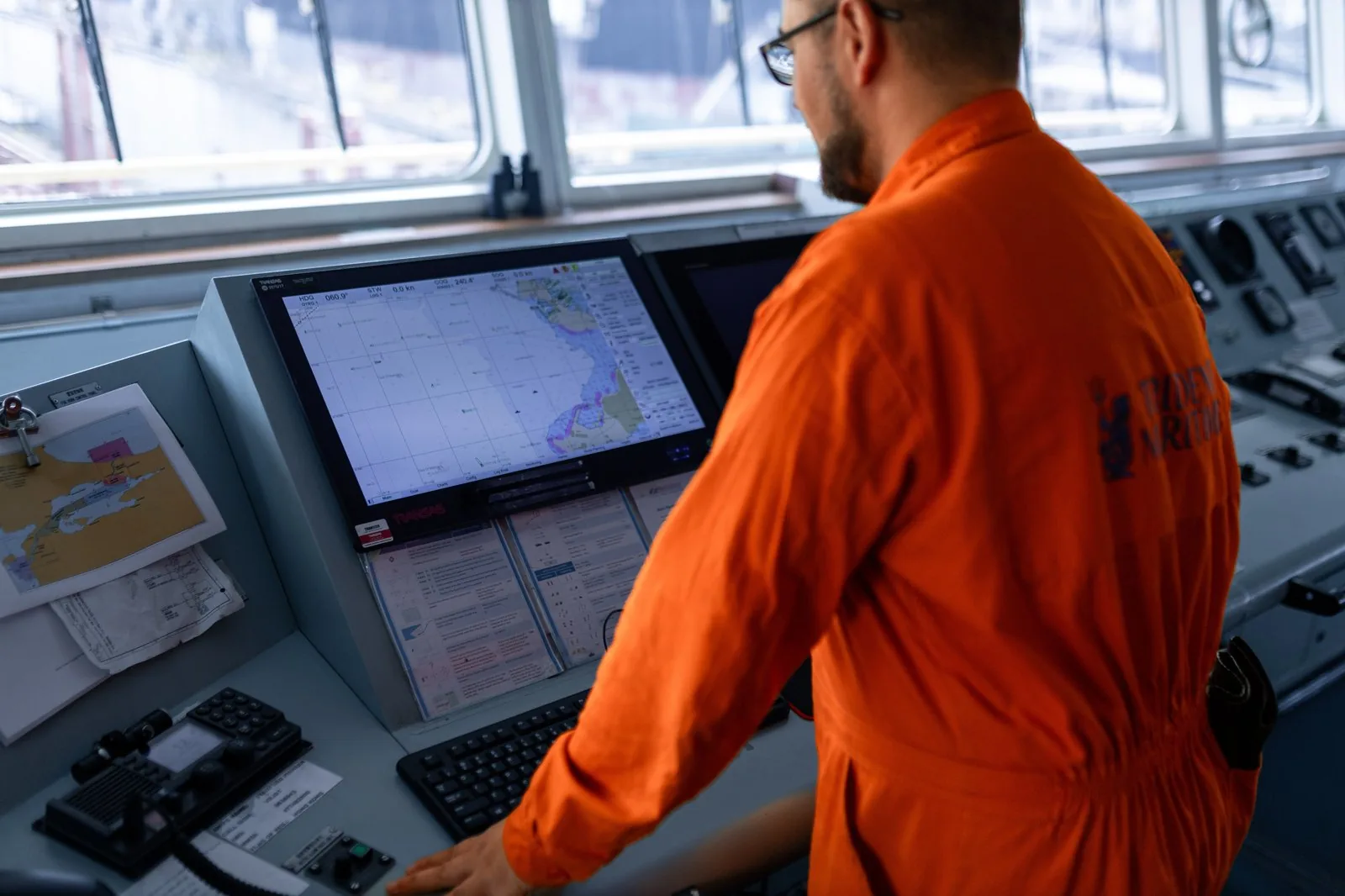
Bunker procurement is a major component, as fuel often represents the single largest voyage cost. The manager must source compliant fuel at competitive prices, coordinating delivery to minimise vessel downtime. Concurrently, they are responsible for freight or hire invoicing and collection, ensuring timely cash flow for the owner. According to the International Maritime Organization's SOLAS convention, proper voyage planning is a mandatory safety requirement, a task that falls under the operational oversight of the post-fixture team.
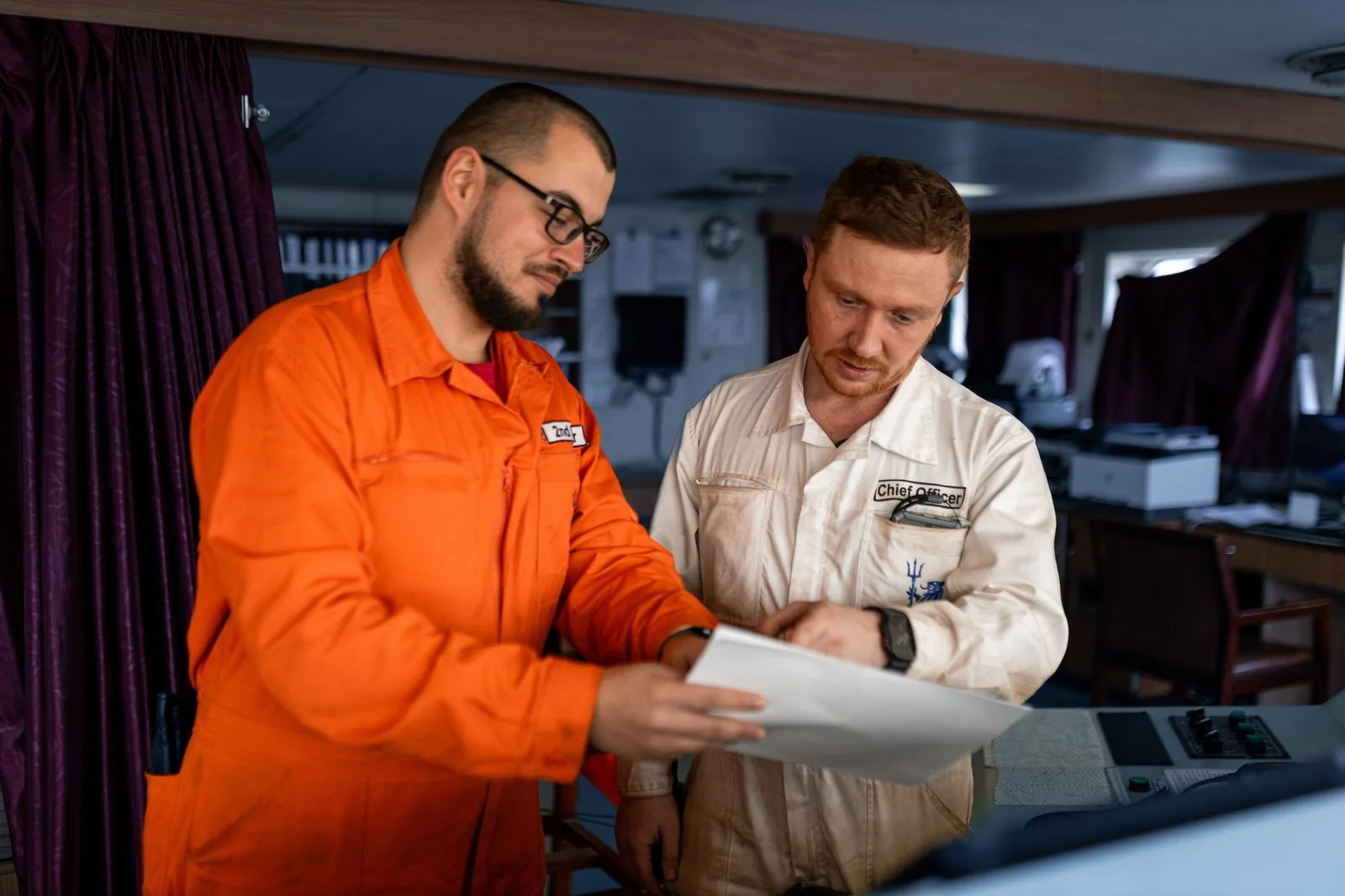
This phase also involves meticulous record-keeping and performance monitoring. The team calculates laytime, processing any demurrage (payment for delays) or despatch (reward for speed) claims. Any disputes that arise during the voyage, such as those related to cargo quantity or vessel performance, are managed and resolved by the post-fixture team, protecting the owner's financial interests. Meticulous post-fixture management ensures that the terms agreed in the charter party are executed efficiently, protecting revenue and minimising disputes.
How is Financial Performance Monitored and Reported?
Transparent and accurate financial monitoring is fundamental to successful commercial management. The primary Key Performance Indicator (KPI) is the Time Charter Equivalent (TCE), which distills voyage revenue down to a standard daily earning rate after deducting voyage-specific costs like bunkers, port charges, and canal fees. This allows for a direct comparison of a vessel's performance across different voyages and against market benchmarks.
A commercial manager is responsible for preparing detailed voyage accounts or P&L statements for each fixture. These reports provide the shipowner with a clear breakdown of revenues and expenses, highlighting the profitability of each employment. This process involves diligent collection of all disbursement accounts (DAs) from port agents and invoices from suppliers, which are then reconciled against the initial voyage estimate.
Modern ship management relies on specialised software platforms for this function, ensuring data integrity and providing owners with real-time access to financial dashboards. As a BIMCO member, Trident Maritime adheres to industry best practices for financial reporting, providing owners with regular, comprehensive statements that detail vessel earnings, operational costs, and cash flow positions. Transparent financial reporting, centered on metrics like Time Charter Equivalent, provides shipowners with a clear view of asset performance and profitability.
What is the Commercial Manager's Role in Risk Mitigation?
A primary function of a commercial manager is to identify, assess, and mitigate a wide range of financial and operational risks on behalf of the shipowner. This begins with counterparty risk; a thorough vetting of potential charterers is conducted to ensure their financial stability and operational reputation, preventing defaults on hire payments. Market risk, specifically the volatility of freight rates and bunker prices, is another major concern that is managed through strategic chartering decisions and, where appropriate, the use of hedging instruments.
Operational risks are also managed from a commercial perspective. For example, selecting a trading route or port must consider potential delays, political instability, and the stringency of local Port State Control. Data from bodies like the Paris MoU, which recorded a detention rate of 4.03% in 2024, informs decisions on where to trade to minimise the risk of costly detentions that result in off-hire periods and reputational damage. This is a crucial part of the marine consultancy aspect of commercial oversight.
Contractual risk is mitigated through the careful negotiation of charter party terms. Managers ensure that clauses related to performance, off-hire, and liability are clearly defined and favourable to the owner. By proactively managing these interconnected risks, the commercial manager protects the vessel's revenue stream and the owner's asset value. A skilled commercial manager mitigates financial exposure through diligent counterparty vetting, strategic chartering, and informed operational planning.
How is Commercial Management Integrated with Technical Oversight?
Effective ship management requires seamless integration between commercial, technical, and crewing departments. A vessel's commercial appeal is directly dependent on its technical condition and operational reliability. A ship that is poorly maintained or fails vessel inspections cannot be employed by first-class charterers, severely limiting its earning potential. Therefore, constant communication between the commercial and technical teams is essential.
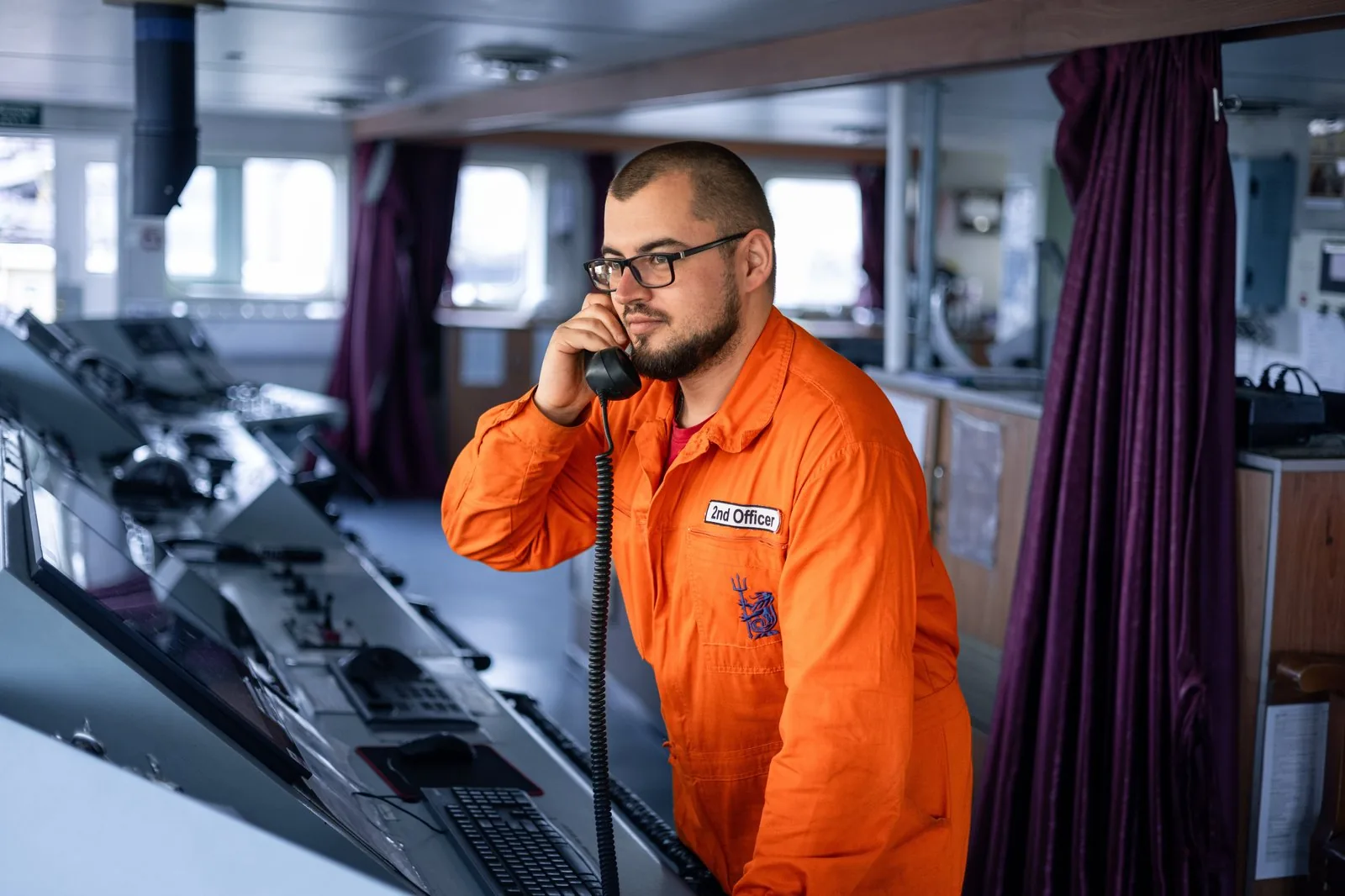
The technical department, guided by requirements from classification societies like the 12 members of IACS, ensures the vessel is compliant and mechanically sound. The commercial team provides feedback from the market, such as specific charterer requirements or the need for certain certifications (e.g., SIRE 2.0 for tankers), which then informs the maintenance schedule. Similarly, the performance data gathered by the commercial team during voyages is fed back to the technical superintendents to identify potential efficiency improvements or mechanical issues.
This synergy extends to crew management as well. A well-trained and motivated crew is crucial for efficient cargo operations, timely turnarounds in port, and maintaining the vessel's condition, all of which impact commercial outcomes. In our experience at Trident Maritime, a vessel's commercial viability is directly tied to its integrated management structure, where operational excellence underpins market opportunity. Integrating commercial, technical, and crewing functions creates a feedback loop where operational excellence drives commercial opportunity and vice versa.
Voyage Charter vs. Time Charter: A Comparison
| Criterion | Voyage Charter | Time Charter |
|---|---|---|
| Revenue Model | Freight rate paid per tonne of cargo or as a lump sum for the voyage. | Fixed daily hire rate paid by the charterer for a set period. |
| Bunker Costs | Paid by the shipowner. | Paid by the charterer. |
| Port Charges | Paid by the shipowner. | Paid by the charterer. |
| Voyage Planning & Execution | Responsibility of the shipowner and their commercial manager. | Responsibility of the charterer, who provides voyage orders. |
| Market Risk Exposure | High. Owner is directly exposed to spot market freight rate and bunker price fluctuations. | Low. Owner receives a stable, predictable income stream, insulated from market volatility. |
| Operational Control | Shipowner retains full operational control of the vessel. | Charterer directs the vessel's employment within agreed geographical and cargo limits. |
Related Reading
Discuss Ship Commercial Management with Trident Maritime
Trident Maritime provides comprehensive ship management solutions, including dedicated commercial management for tankers, gas carriers, containerships, and bulkers. As a BIMCO member with ISO 9001, 14001, and 45001 certifications, we offer a robust framework for maximising your vessel's commercial performance. Our teams in Odesa, Hamburg, Dubai, and Hong Kong deliver global reach with local expertise.
Our approach integrates commercial strategy with rigorous technical and crew management to ensure your asset is always positioned for optimal employment. We provide transparent, data-driven reporting and proactive risk management to protect your investment and enhance profitability.
For a confidential discussion on how our commercial management services can benefit your fleet, contact info@trident-maritime.com or visit our contacts page.
Contact Trident Maritime
Need a consultation or proposal? Reach out through any of the channels below — we respond within one business day.
- Phone: +380487373735
- Email: info@trident-maritime.com