Ship lay-up management in 2026: Commercial and Technical Guide
Ship lay-up management involves securing a vessel during periods of commercial inactivity through warm or cold preservation techniques. Key phases include selecting a safe location, notifying class and flag authorities, implementing hull and machinery preservation plans, and maintaining minimum safe manning. Proper execution protects asset value and ensures regulatory compliance prior to reactivation surveys.
The IACS comprises 12 member classification societies covering more than 90% of the world's cargo-carrying tonnage (IACS Annual Review 2025). As a fundamental regulatory requirement, lay-up must be notified to the classification society, which may set lay-up survey and reactivation requirements. Operators face complex technical and commercial decisions when removing tonnage from active service.
- When does ship lay-up management make commercial sense?
- What are the differences between warm and cold lay-up?
- How do operators choose a secure lay-up location?
- What notifications are required for class, flag and insurance?
- How is a preservation plan for hull and machinery executed?
- What are the minimum manning and security requirements?
- How does reactivation-through-surveys-and-sea-trials-work?
- Discuss ship lay-up management with Trident Maritime
When does ship lay-up management make commercial sense?
Operators typically consider idling vessels when freight rates fall below daily operating expenses for sustained periods. This strategy preserves capital while awaiting market recovery for tankers, bulk carriers, and containerships. The decision requires a rigorous cost-benefit analysis comparing continued trading losses against preservation costs.
Effective commercial management dictates that owners must evaluate the projected duration of market downturns. Short-term volatility usually warrants temporary anchorage rather than formal preservation protocols. Long-term structural market shifts often necessitate formal idling to protect the asset's structural integrity.
"Final scope, cost and timeline depend on vessel condition, class/flag requirements, trading area and yard/service-provider availability."
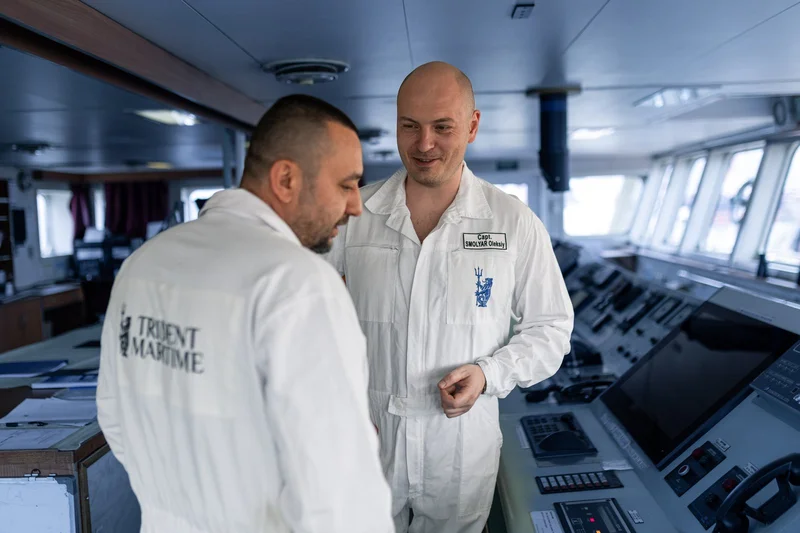
- Capt. Oleksiy Smolyar, Master Mariner / CEO Trident Maritime
Evaluating freight market forecasts against daily operating expenses determines the viability of vessel idling strategies.
What are the differences between warm and cold lay-up?
Vessel preservation falls into two primary categories dictated by the anticipated duration of inactivity. Warm status implies the ship can resume trading within weeks, keeping essential machinery operational and a partial crew onboard. Cold status involves sealing machinery, dramatically reducing crew size, and preparing for months or years of inactivity.
The technical preparation required for cold status is significantly more intensive than for warm status. Systems are drained, dehumidifiers are installed, and sea valves are blanked to prevent marine growth and corrosion. The choice between these methods directly impacts both immediate expenditure and future recommissioning costs.
| Criterion | Warm Preservation | Cold Preservation |
|---|---|---|
| Reactivation Time | 1 to 2 weeks | 3 weeks to several months |
| Crewing Level | Reduced but functional | Minimal watchkeeping only |
| Machinery Status | Periodically operated | Sealed and dehumidified |
| Cost Reduction | Moderate | Significant |
Warm preservation maintains immediate trading readiness, while cold preservation significantly reduces operational expenditure during prolonged market downturns.
How do operators choose a secure lay-up location?
Selecting an appropriate geographical location is critical for the safety of the vessel and the success of the preservation plan. The chosen site must offer sheltered waters with verified holding ground to prevent dragging anchor during heavy weather. Operators frequently utilize established maritime hubs in regions like Greece, the UAE, and Singapore for their favorable conditions.
Local port authority regulations heavily influence site selection, as some jurisdictions prohibit long-term anchorage of unmanned or minimally manned vessels. The location must also provide sufficient depth, minimal tidal currents, and low risk of piracy or unauthorized boarding. Access to local technical support and emergency response services is another vital consideration.
Any technical assessment is based on available documents, vessel condition at the time of inspection and access granted onboard. A secure idling location requires verified holding ground, favorable historical weather patterns, and local port authority approval.
What notifications are required for class, flag and insurance?
Compliance during inactivity requires strict adherence to notification protocols with multiple regulatory bodies. Hull and machinery and P&I insurers may offer lay-up returns of premium subject to policy conditions. These financial returns are contingent upon underwriters approving the preservation plan and the chosen geographical location.
Simultaneously, the vessel's flag state must be informed to adjust statutory certification and manning requirements. Over 90% of tanker operators use OCIMF TMSA-3 to assess their safety management systems (OCIMF, 2024), which includes procedures for vessel status changes. Failure to notify these entities can result in invalidated insurance policies and statutory non-compliance.
The classification society plays a central role in validating the technical aspects of the preservation strategy. Timely notification to classification societies and underwriters ensures continuous coverage and establishes clear frameworks for future reactivation.
How is a preservation plan for hull and machinery executed?
A robust preservation plan protects the vessel's core assets from corrosion, marine growth, and mechanical degradation. Technical management teams oversee the installation of dehumidification units in the engine room and cargo spaces. Main engines are typically turned periodically or completely sealed with desiccants, depending on the chosen preservation tier.
Cathodic protection systems must remain active to prevent hull corrosion, and sea chests are often treated with marine growth inhibitors. Firefighting systems and emergency generators must be maintained in a state of readiness to address potential onboard crises. Regular inspections by the remaining crew or specialized contractors ensure the preservation measures remain effective.
Documentation of all maintenance activities is crucial for class surveyors during the eventual recommissioning phase. Implementing a stringent dehumidification and cathodic protection regimen prevents irreversible corrosion of critical marine machinery.
What are the minimum manning and security requirements?
Even in cold status, a vessel cannot be entirely abandoned; regulatory frameworks demand a baseline level of human oversight. Flag administrations set minimum safe manning or watch requirements for laid-up ships to ensure safety and security. Crew management providers supply specialized watchkeepers trained in emergency response and preservation monitoring.
Security protocols must align with the International Ship and Port Facility Security (ISPS) Code to prevent unauthorized access. Anti-piracy measures, continuous fire patrols, and regular communication with shoreside management are mandatory components of the daily routine. The retained personnel must be capable of operating emergency fire pumps and communicating with local authorities.
The specific number of crew members depends on the vessel size, location, and the degree of automation remaining active. Adhering to flag-mandated minimum manning levels maintains vessel security and ensures emergency response capability during non-trading periods.
How does reactivation-through-surveys-and-sea-trials-work?
Recommissioning a vessel is a complex technical operation that reverses the preservation process to restore full trading capability. Reactivation normally requires class survey and may require sea trials before trading can legally resume. Surveyors from organizations recognized by IMO verify that all machinery functions correctly and structural integrity remains uncompromised.
The process involves removing blanking plates, testing navigation equipment, and conducting thorough inspections of cargo handling systems. Lube oil analysis, boiler testing, and main engine trials are conducted to identify any degradation that occurred during inactivity. Only after successfully completing these rigorous checks will the classification society reinstate the vessel's trading certificates.
Operators must factor the time and cost of these surveys into their commercial planning when anticipating a market return. Successful recommissioning relies on comprehensive class surveys and rigorous sea trials to validate vessel seaworthiness.
Discuss ship lay-up management with Trident Maritime
Trident Maritime provides comprehensive preservation strategies tailored to your fleet's operational profile and class requirements. Our technical superintendents oversee every phase of idling and reactivation across key maritime hubs in Germany, the UAE, Singapore, and Greece. We ensure full compliance with flag state regulations and classification society standards to protect your asset's value. For a confidential discussion, contact info@trident-maritime.com or visit our contacts page.
Frequently Asked Questions (FAQ)
What is the typical duration for warm vessel preservation?
Warm lay-up is generally chosen for shorter idle periods, when a quick return to trading is expected. Essential machinery is kept operational, allowing the vessel to be reactivated and ready for commercial trading faster than from cold lay-up, subject to class survey.
Does cold preservation require a full crew onboard?
No, cold preservation drastically reduces crew requirements. Flag administrations set minimum safe manning or watch requirements for laid-up ships, which usually consist of a skeleton crew focused solely on fire safety, security, and basic monitoring.
How do flag states regulate laid-up vessels?
Flag states must be formally notified of the vessel's status change. They assess the preservation plan and issue specific exemptions or adjusted safe manning certificates tailored to the vessel's non-trading condition and location.
Can owners reduce insurance premiums during periods of inactivity?
Hull and machinery and P&I insurers may offer lay-up returns of premium subject to policy conditions. This requires underwriters to approve the mooring location, the preservation plan, and the minimum manning levels maintained onboard.
What steps are involved in vessel reactivation?
Reactivation normally requires class survey and may require sea trials before trading. The process involves de-preserving machinery, testing all navigation and safety equipment, reinstating full crew levels, and passing rigorous flag and class inspections.
How does class society involvement affect the idling process?
Lay-up must be notified to the classification society, which may set lay-up survey and reactivation requirements. Class surveyors verify that the preservation methods protect the vessel's structural integrity, ensuring it remains eligible for certification upon recommissioning.
Contact Trident Maritime
Need a consultation or proposal? Reach out through any of the channels below - we respond within one business day.
- Phone: +380487373735
- Email: info@trident-maritime.com
- Telegram: @tridentmaritime