Ship management Hamburg in 2026: A Technical Guide
Vessel operations in 2026 require strict adherence to evolving regulatory frameworks, with SIRE 2.0 inspections typically identifying 20-30 findings per vessel compared to 2-4 under the legacy VIQ7 regime. Outsourcing technical and crew operations allows owners to maintain compliance across tankers, gas carriers, and bulkers while optimising OPEX. Discover the primary frameworks shaping third-party ship management Hamburg operations today.
- Why do German shortsea owners outsource ship management Hamburg in 2026?
- What does technical management cover under IACS unified requirements?
- How does SIRE 2.0 impact tanker vetting preparations?
- Crewing compliance: How does STCW affect fleet operations?
- Comparing PSC detention rates: Paris MoU vs Tokyo MoU
- What is the process for vessel takeover and compliance restoration?
- How do decarbonisation targets influence fleet strategy?
- Discuss technical operations with Trident Maritime
Why do German shortsea owners outsource ship management Hamburg in 2026?
The global regulatory environment demands specialised technical oversight for commercial cargo vessels. The third-party ship management segment is projected to grow at approximately 9% CAGR through 2035, driven by decarbonisation mandates and complex vetting protocols (Business Research Insights, 2025). Owners seeking ship management Hamburg focus on delegating ISM, ISPS, and MLC compliance to certified providers.
This approach mitigates operational risk across varying vessel types, from handysize bulkers to large containerships. Professional managers implement rigorous planned maintenance systems to minimise off-hire periods and ensure uninterrupted commercial availability. The top six ship-management companies generate approximately 80% of industry revenues in their served markets (Drewry / Lloyd's List, 2025).
Delegating these responsibilities allows shipowners to focus on asset play and chartering strategies. By leveraging economies of scale, third-party managers procure marine spares, bunker fuel, and insurance coverage at highly competitive rates. Outsourcing technical operations remains a strategic imperative for maintaining profitability in volatile freight markets.
What does technical management cover under IACS unified requirements?
Technical management ensures that vessels operate safely and comply with classification society standards. The IACS comprises 12 member classification societies covering more than 90% of the world's cargo-carrying tonnage (IACS Annual Review 2025). Technical superintendents coordinate planned maintenance, dry docking, and statutory surveys in strict alignment with IACS unified requirements.
Managing oil tankers, chemical tankers, and LPG carriers requires continuous condition monitoring to prevent structural failures. Trident Maritime currently coordinates classifications through major societies including BV, DNV, Lloyd's, ABS, ClassNK, and RINA. Superintendents conduct regular onboard inspections to verify that safety management systems function effectively at the deck plate level.
Effective technical oversight translates directly into improved commercial availability and reduced port state control interventions. For more details on comprehensive vessel support, explore our Services portfolio. Maintaining class status without conditions of class is the primary metric of successful technical management.
How does SIRE 2.0 impact tanker vetting preparations?
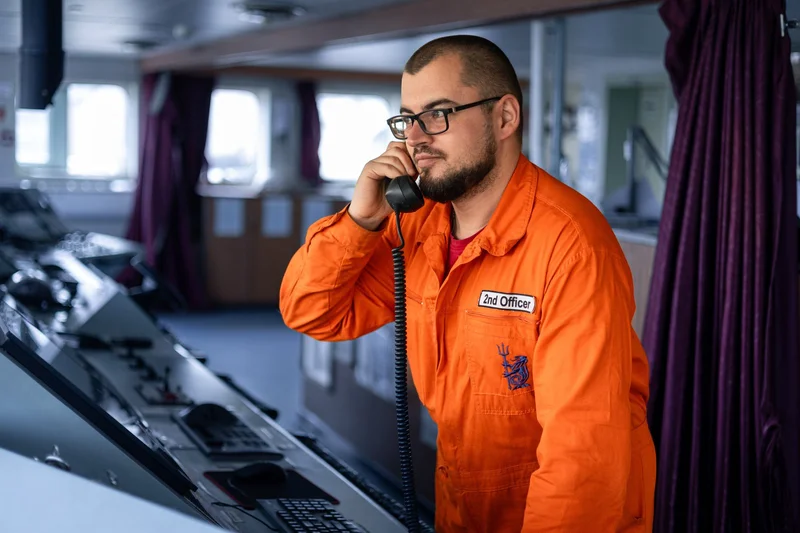
Tanker vetting underwent a fundamental shift when SIRE 2.0 became the mandatory vetting standard on 2 September 2024, replacing VIQ7 (OCIMF, 2024). This digital inspection regime focuses heavily on human factors, photographic evidence, and hardware conditions. SIRE 2.0 inspections typically identify 20-30 findings per vessel, versus the 2-4 typical under VIQ7 (industry analysis, 2024).
Pre-vetting preparation is now a continuous operational process rather than a standalone documentation exercise prior to arrival. Operators must ensure their safety management systems are robust, often utilising the OCIMF TMSA-3 framework to assess compliance. Over 90% of tanker operators use OCIMF TMSA-3 to assess their safety management systems (OCIMF, 2024).
OCIMF TMSA-3 contains 13 elements, including Element 13 - Maritime Security, added in the 2017 revision (OCIMF, 2017). Superintendents must train senior officers to articulate safety procedures confidently to vetting inspectors. You can read more about preparation strategies in our SIRE 2.0 Inspection in 2026: A Guide for Tanker Operators.
Crewing compliance: How does STCW affect fleet operations?
Securing qualified seafarers is a critical component of vessel operations in 2026. The IMO STCW Convention applies to approximately 1.2 million certificated seafarers on over 50,000 vessels worldwide (IMO, 2025). Recent STCW amendments require electronic certificates of competency effective from 2025 (IMO MSC.535(107)).
Furthermore, the Maritime Labour Convention 2006 (MLC) is in force in countries representing over 97% of world gross shipping tonnage (ILO, 2026). Professional crew management services ensure that all personnel meet these stringent regulatory standards before deployment. Crew welfare, timely payroll, and continuous training are non-negotiable elements of modern ship management.
Our managed fleet operates under strict MLC compliance, ensuring safe and equitable working conditions for all seafarers. For comprehensive insights into crewing strategies, review our Crew management solutions. High retention rates directly correlate with reduced operational incidents and smoother vetting inspections.
Comparing PSC detention rates: Paris MoU vs Tokyo MoU
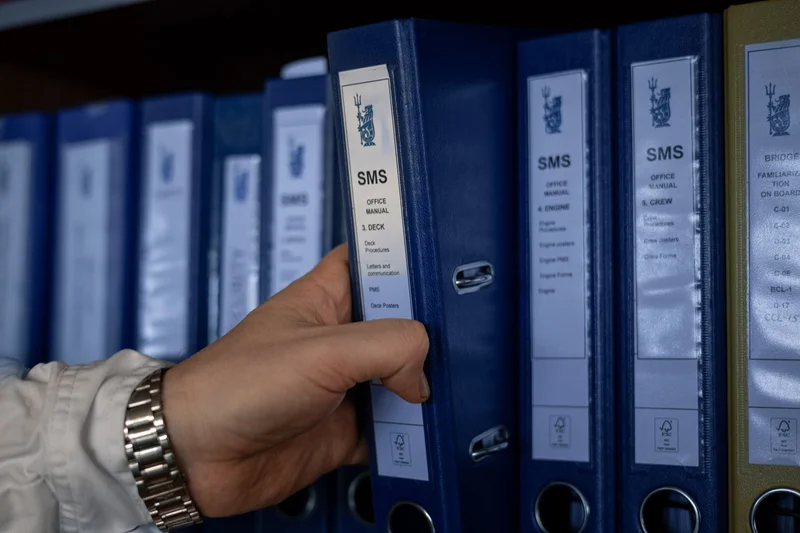
Port State Control (PSC) inspections act as the final regulatory net for international shipping. The Paris MoU detention rate rose to 4.03% in 2024, up from 3.81% in 2023 (Paris MoU Annual Report 2024). Meanwhile, the Tokyo MoU recorded 1,189 detentions and 77,526 deficiencies across Asia-Pacific port state inspections in 2024 (Tokyo MoU Annual Report 2024).
Vessels under professional management implement strict pre-arrival checklists to minimise deficiency risks. A clean PSC record is essential for maintaining a vessel's commercial viability and favourable insurance premiums. RightShip's Inspection Ship Vetting (RISQ) framework is the dominant dry-cargo counterpart to OCIMF's SIRE 2.0 for tanker vetting; both are required for chartering with major shippers (RightShip, 2024).
| PSC Regime | Annual Inspections (Approx.) | Recent Detention Rate | Primary Focus Areas |
|---|---|---|---|
| Paris MoU | 17,500 | 4.03% (2024) | ISM compliance, fire safety, MLC conditions |
| Tokyo MoU | 30,000+ | ~3.8% (2024) | Life-saving appliances, MARPOL, structural safety |
Technical managers monitor PSC trends closely to adjust fleet-wide maintenance priorities accordingly. Learn more about inspection protocols in our Vessel Inspection Scope and Types in 2026: Owner's Guide.
What is the process for vessel takeover and compliance restoration?
Acquiring a second-hand vessel often requires immediate compliance restoration to meet flag state and classification standards. Compliance restoration cases do not guarantee PSC, class or flag outcome, but are managed through structured corrective action and documented follow-up. Technical managers deploy superintendents to assess structural integrity, machinery condition, and safety management system implementation.
Trident Maritime currently manages a fleet of 9 vessels, including oil tankers, chemical tankers, LPG tankers, LNG tankers, bulk carriers, containerships, and general cargo ships. All managed vessels operate under strict MLC compliance and are SIRE 2.0 ready. The takeover process involves rapid deployment of familiarisation teams and implementation of the company's approved ISM manual.
Restoring a vessel to charter-ready status requires close coordination with classification societies and flag state administrations. For specialised project support, our Marine consultancy division handles complex compliance challenges. Thorough documentation and root-cause analysis are critical during the initial transition phase.
How do decarbonisation targets influence fleet strategy?
Environmental compliance is fundamentally reshaping fleet operations and technical management priorities. The IMO 2023 GHG Strategy targets at least a 20% reduction in shipping emissions by 2030 versus 2008 levels (IMO MEPC 80). Furthermore, the IMO Net-Zero Framework, agreed in April 2025, targets net-zero emissions from international shipping by approximately 2050 (IMO MEPC 83).
Technical managers must implement energy efficiency measures, monitor Carbon Intensity Indicator (CII) ratings, and optimise voyage routing. BIMCO, INTERTANKO, INTERCARGO, ICS and InterManager are the principal global trade associations guiding shipowners through these transitions. Upgrading older tonnage with energy-saving devices is increasingly necessary to maintain commercial competitiveness.
Commercial operators rely on accurate emission data to secure favourable chartering terms and comply with regional mechanisms like the EU ETS. Integrating performance monitoring software into daily operations is now standard practice for professional ship managers. Proactive environmental management directly protects the long-term asset value of the vessel.
Discuss technical operations with Trident Maritime
Trident Maritime is a professional ship management and marine services provider headquartered in Odesa, with offices in Hamburg, Dubai, and Hong Kong. We hold BIMCO membership alongside ISO 9001:2015, ISO 14001:2015, and ISO 45001:2019 certifications. Our technical superintendents operate a 24/7 emergency response system to support our fleet of tankers, gas carriers, containerships, and bulkers.
For a confidential discussion regarding your fleet requirements, contact info@trident-maritime.com or visit our contacts page.
Frequently Asked Questions (FAQ)
What does technical management include for commercial vessels?
Technical management encompasses planned maintenance, dry docking supervision, procurement of spares, and coordination of statutory class surveys. Services are executed in compliance with IACS unified requirements to ensure uninterrupted vessel operations. Pricing is by arrangement and depends on vessel type and contract scope.
How do operators prepare for SIRE 2.0 inspections in 2026?
Operators prepare for SIRE 2.0 by integrating continuous human factor assessments and hardware condition monitoring into their safety management systems. SIRE 2.0 became the mandatory tanker vetting standard on 2 September 2024, replacing VIQ7.
Are electronic certificates of competency accepted globally?
Yes, recent STCW amendments require electronic certificates of competency effective from 2025 under IMO MSC.535(107). Crew managers ensure that all seafarers hold valid, verifiable digital documentation prior to deployment.
What vessel types does Trident Maritime manage?
Trident Maritime manages oil tankers, chemical tankers, LPG tankers, LNG tankers, bulk carriers, containerships, and general cargo ships. The fleet currently consists of 9 vessels operating under strict MLC and ISM compliance.
How does Port State Control affect vessel chartering?
Port State Control detentions severely impact a vessel's risk profile and charterability. For context, the Paris MoU detention rate rose to 4.03% in 2024, highlighting the necessity of rigorous pre-arrival preparations.
How long does a pre-purchase vessel inspection take?
A comprehensive pre-purchase inspection typically requires two to three days on board, depending on the vessel size and operational status. The inspection covers structural condition, machinery performance, and statutory documentation review.
Contact Trident Maritime
Need a consultation or proposal? Reach out through any of the channels below - we respond within one business day.
- Phone: +380487373735
- Email: info@trident-maritime.com
- Telegram: @tridentmaritime