USCG port state control inspection in 2026: Operator Guide
A uscg port state control inspection is a comprehensive regulatory boarding verifying a vessel's compliance with international conventions and US federal regulations. The US Coast Guard runs port state control independently and is not a member of the Paris or Tokyo MoU. Operators must prepare for stringent targeting matrix evaluations, ECA compliance checks, and ballast water management verifications to avoid detentions in US waters.
Preparing a vessel for US waters demands a high level of operational readiness and meticulous documentation. The US Coast Guard runs port state control independently and is not a member of the Paris or Tokyo MoU, meaning operators face a unique regulatory framework. Understanding this independent regime is critical for maintaining fleet commercial viability.
Contents
- What does a uscg port state control inspection cover in 2026?
- How does USCG port state control differ from Paris and Tokyo MoU?
- How does the USCG targeting matrix prioritize boardings?
- What is QUALSHIP 21 and how can operators qualify?
- Which deficiency areas are most frequent during US boardings?
- How to execute a pre-arrival readiness checklist?
- What happens when a vessel is detained in US waters?
- Discuss vessel compliance with Trident Maritime
What does a uscg port state control inspection cover in 2026?
A uscg port state control inspection evaluates a foreign-flagged vessel's adherence to safety, security, and environmental regulations before or during its port call. Inspectors focus heavily on SOLAS, MARPOL, and the ISPS Code, alongside specific US Code of Federal Regulations (CFR) requirements. This includes rigorous testing of emergency equipment, structural integrity checks, and crew competency assessments.
Environmental compliance is a major focal point during these boardings. For example, US waters require USCG type-approved ballast water treatment systems, and inspectors will meticulously review the Ballast Water Record Book and the operational status of the BWTS. Alternative management systems (AMS) are only accepted if specifically authorized and within their designated validity period.
Security is another critical pillar, governed by the Maritime Transportation Security Act (MTSA). Inspectors verify the implementation of the Ship Security Plan, access control measures, and the crew's familiarity with security duties. Vessels failing to meet these stringent standards face immediate operational restrictions or expulsion from US waters.
How does USCG port state control differ from Paris and Tokyo MoU?
While European and Asia-Pacific regimes operate under harmonized memorandums of understanding, the US Coast Guard maintains total autonomy over its jurisdiction. This independence means that a clean inspection record in Rotterdam or Singapore does not guarantee a low-risk profile in Houston or New York. The USCG utilizes its own distinct criteria for assessing vessel risk and determining boarding frequency.
The primary difference lies in the enforcement of federal laws that exceed international conventions. While the IMO sets baseline global standards, the USCG enforces additional domestic regulations regarding environmental protection and maritime security. Operators must ensure their safety management systems account for these regional deviations.
| Regime | Governing Body | Targeting Mechanism |
|---|---|---|
| USCG PSC | US Coast Guard | Points-based targeting matrix |
| Paris MoU | European PSC Committee | Ship Risk Profile (SRP) |
| Tokyo MoU | Asia-Pacific PSC Committee | Ship Risk Profile (SRP) |
Understanding these structural differences allows technical superintendents to allocate resources effectively before a vessel enters US jurisdiction. Compliance requires a proactive approach tailored specifically to USCG expectations.
How does the USCG targeting matrix prioritize boardings?
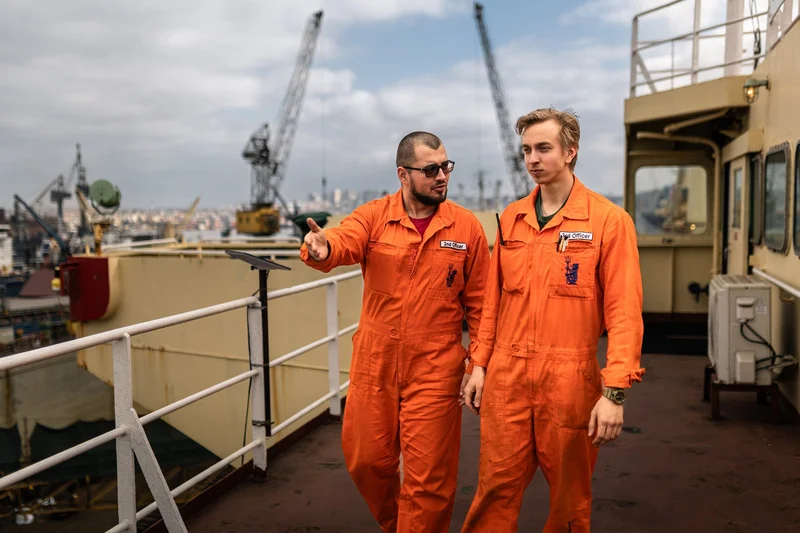
The USCG does not inspect every vessel entering US waters; instead, it relies on a calculated risk assessment model. USCG uses a points-based targeting matrix (owner/operator, flag, class, history, vessel type) to prioritise boardings. Vessels accumulating higher points are deemed higher risk and are subjected to mandatory, comprehensive examinations.
Flag State performance significantly impacts a vessel's score. Flags with high detention ratios in US waters over a three-year rolling average accumulate penalty points, instantly elevating the risk profile of all vessels registered under that administration. Similarly, the performance history of the recognized organization (classification society) is factored into the matrix.
The owner or operator's historical performance is also scrutinized. A history of detentions, marine casualties, or environmental violations associated with a specific company will trigger higher matrix scores. Operators maintaining a flawless compliance record benefit from reduced boarding frequencies and smoother port operations.
What is QUALSHIP 21 and how can operators qualify?
QUALSHIP 21 is the USCG incentive programme for high-quality foreign-flag ships. Introduced to reward exemplary compliance, this initiative identifies and acknowledges vessels and operators that consistently exceed fundamental regulatory requirements. Recognized vessels enjoy a significant reduction in PSC examination frequency, directly translating to fewer operational delays.
To qualify, a vessel must be registered to a Flag State that meets the USCG's rigorous criteria for detention ratios and data submission. Furthermore, the vessel itself must not have been detained in the US within the previous 36 months and must possess a flawless record regarding marine casualties and serious violations. The vessel's classification society must also be recognized by the USCG and maintain a solid performance record.
Operators aiming for this status must implement robust safety management protocols and ensure continuous crew training. Resources provided by organizations like BIMCO can assist managers in aligning their fleet operations with the high standards required for QUALSHIP 21 enrollment.
Which deficiency areas are most frequent during US boardings?
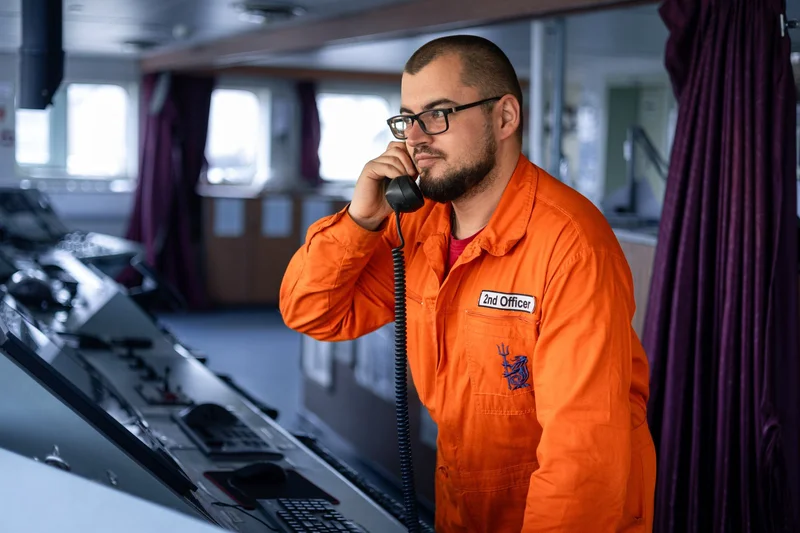
Fire safety systems consistently rank among the highest deficiency categories during a uscg port state control inspection. Inspectors frequently discover poorly maintained fire dampers, inoperable quick-closing valves, and compromised structural fire protection. These issues are treated with zero tolerance due to the catastrophic risks they pose in confined maritime environments.
Environmental compliance is another critical vulnerability. Vessels in the North American ECA must comply with 0.10% sulphur fuel limits. Failure to properly execute fuel changeover procedures, or inaccurate documentation in the Oil Record Book, often leads to severe penalties and immediate detention.
"All vessel inspections, audits and surveys are subject to flag-state, class and port-state requirements."
- Capt. Oleksiy Smolyar, Master Mariner, CEO Trident Maritime
Finally, the implementation of the ISM Code is heavily scrutinized. Inspectors look beyond paperwork to verify that the crew actively understands and executes safety procedures. A lack of familiarity with emergency steering protocols or enclosed space entry procedures indicates a systemic failure in the safety management system.
How to execute a pre-arrival readiness checklist?
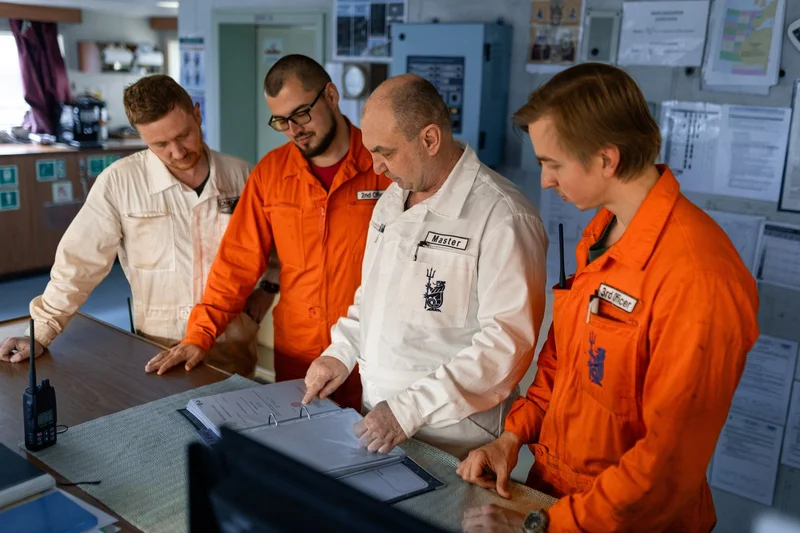
Thorough preparation is the only reliable defense against PSC deficiencies. Operators should implement a structured pre-arrival checklist executed by the vessel's command team well before entering US territorial waters. This process ensures all critical systems are verified and documented.
- Verify ECA fuel compliance. Ensure the fuel changeover procedure is completed and documented before crossing into the North American ECA, confirming 0.10% sulphur limits.
- Test main and emergency fire pumps. Confirm both pumps deliver required pressure to all hydrants and that emergency pump starting mechanisms function flawlessly.
- Inspect life-saving appliances. Check lifeboat engines, release gear, and ensure all survival craft inventory is complete and within expiry dates.
- Validate ballast water management. Confirm the USCG type-approved BWTS is operational, and the Ballast Water Record Book is accurately updated.
- Conduct emergency drills. Execute realistic fire and abandon-ship drills to ensure crew familiarity and competence under pressure.
Executing these steps systematically allows the crew to identify and rectify minor issues before they become detainable deficiencies. Technical support from shore-based management is crucial during this preparatory phase.
What happens when a vessel is detained in US waters?
A detention occurs when the USCG determines that a vessel is unfit to proceed to sea due to severe safety, security, or environmental deficiencies. The vessel is legally restricted from departing the port, disrupting commercial schedules and incurring substantial financial losses. The detention is immediately recorded in the USCG's public database, damaging the operator's commercial reputation.
To lift a detention, the operator must rectify all identified deficiencies to the satisfaction of the USCG. This often requires the intervention of the vessel's classification society, such as a member of IACS, to verify repairs and issue necessary attestations. The USCG will then conduct a re-inspection before granting clearance to sail.
The long-term consequences of a detention are severe. The vessel's targeting matrix score increases, guaranteeing more frequent and intense inspections in the future. Furthermore, a detention can jeopardize charter agreements and increase marine insurance premiums.
Discuss vessel compliance with Trident Maritime
Navigating the complexities of a uscg port state control inspection requires precise technical management and proactive compliance strategies. Trident Maritime provides comprehensive marine consultancy and services designed to prepare fleets for the most rigorous regulatory scrutiny. Our technical superintendents ensure your vessels maintain impeccable standards across our operational regions, including Germany, UAE, Hong Kong, Saudi Arabia, Netherlands, Denmark, Norway, Spain, Greece, Cyprus, Singapore, Italy, Monaco, Qatar, Portugal, France, and the UK.
With our certificates including ISO 9001, 14001, and 45001, we embed quality and safety into every operational procedure. For a confidential discussion regarding your fleet's compliance readiness, contact info@trident-maritime.com or visit our contacts page.

Frequently Asked Questions (FAQ)
What triggers a uscg port state control inspection?
A boarding is triggered primarily by the vessel's score on the USCG targeting matrix. Factors include the performance history of the owner, the Flag State, the classification society, and the specific vessel type. High-risk scores mandate inspections upon entering US waters.
How long does a typical USCG inspection take?
The duration depends on the vessel type, its condition and the scope of the examination. If inspectors discover significant deficiencies, the examination will expand in scope and duration, potentially leading to a detention.
Which ballast water systems are accepted in US waters?
US waters require USCG type-approved ballast water treatment systems. While some vessels operate under an accepted Alternate Management System (AMS), this is a temporary measure, and operators must transition to a fully type-approved system before the AMS expiration date.
What are the sulphur limits for fuel in the North American ECA?
Vessels operating within the North American Emission Control Area (ECA) must comply with strict 0.10% sulphur fuel limits. Operators must maintain meticulous fuel changeover records and ensure all systems are flushed of non-compliant fuel before entering the zone.
Can a vessel appeal a USCG detention?
Yes, operators can appeal a detention through a formal process outlined in USCG regulations. The appeal must be submitted in writing, providing substantial evidence that the detention was issued in error or that the regulatory interpretation was incorrect.
How does QUALSHIP 21 benefit vessel operators?
QUALSHIP 21 is the USCG incentive programme for high-quality foreign-flag ships. Certified vessels benefit from a significantly reduced frequency of port state control boardings in US waters, minimizing operational disruptions and demonstrating a commitment to maritime safety to charterers.
Contact Trident Maritime
Need a consultation or proposal? Reach out through any of the channels below - we respond within one business day.
- Phone: +380487373735
- Email: info@trident-maritime.com
- Telegram: @tridentmaritime