Bureau Veritas certified ship management: 2026 Guide
- What defines Bureau Veritas certified ship management in 2026?
- How does class certification impact SIRE 2.0 vetting results?
- Why do shipowners transition to ISO-certified technical management?
- What are the core components of an MLC-compliant crew management system?
- How do regulatory frameworks shape commercial operations in 2026?
- How do port state control regimes view classification society standards?
- Discuss Ship management with Trident Maritime
- Contact Trident Maritime
Ship management integrates class-approved safety management systems with daily technical operations for tankers, gas carriers, and bulkers. The IACS comprises 12 member classification societies covering more than 90% of the world's cargo-carrying tonnage (IACS Annual Review 2025). Operators rely on these verified frameworks to navigate SIRE 2.0 vetting, port state control, and complex decarbonization targets in 2026.
What defines Bureau Veritas certified ship management in 2026?
Ship management represents a rigorous approach to maritime operations, aligning daily vessel administration with internationally recognized classification standards. Bureau Veritas, DNV, ABS, Lloyd's Register, ClassNK, RINA, KR, CCS, IRS, PRS, CRS and RS are the 12 IACS member societies (IACS, 2025). By adhering to these standards, technical managers ensure that vessels maintain their structural integrity, operational efficiency, and statutory compliance throughout their lifecycle.
Implementation begins with a robust Safety Management System (SMS) audited and approved by the classification society. This system governs everything from routine engine maintenance to emergency response protocols aboard complex vessels like chemical tankers and LNG carriers. Shipowners who partner with a certified manager benefit from streamlined document of compliance (DOC) renewals and fewer operational disruptions.
Furthermore, certified management extends beyond mere paperwork to foster a pervasive safety culture onboard. To understand our organizational commitment to these standards, you can read more about Trident Maritime and our operational philosophy. Ultimately, class-certified management transforms regulatory obligations into measurable operational advantages.
How does class certification impact SIRE 2.0 vetting results?
The transition to a digitized, human-centric inspection regime has fundamentally altered tanker operations. SIRE 2.0 became the mandatory tanker vetting standard on 2 September 2024, replacing VIQ7 (OCIMF, 2024). Under this new framework, inspectors evaluate not just the physical condition of the vessel, but the behavioral competencies of the crew and the effectiveness of the underlying SMS.
A class-certified management system provides the structured procedures necessary to excel in these rigorous evaluations. SIRE 2.0 inspections typically identify 20-30 findings per vessel, versus the 2-4 typical under VIQ7 (industry analysis, 2024). Consequently, proactive gap analysis and continuous crew training are no longer optional, but essential components of commercial viability.
"Transitioning a fleet to full SIRE 2.0 readiness demands proactive gap analysis and continuous crew engagement, far beyond basic document compliance. It requires a fundamental shift in how we approach maritime safety."
- Capt. Oleksiy Smolyar, Master Mariner / CEO Trident Maritime
Technical superintendents rely on class guidelines to ensure that critical equipment, such as inert gas systems and cargo pumps, meet the highest industry standards. For specialized support in navigating these requirements, operators frequently engage marine consultancy services to conduct pre-vetting audits. Robust class certification serves as the foundation for successful vetting outcomes and uninterrupted chartering.
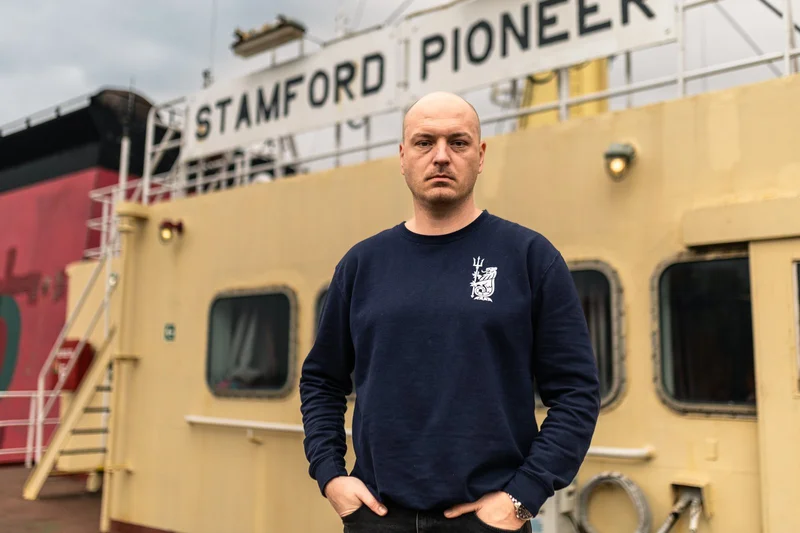
Why do shipowners transition to ISO-certified technical management?
The complexity of modern maritime regulations drives a growing preference for specialized, third-party operational expertise. The third-party ship management segment is projected to grow at approximately 9% CAGR through 2035 (Business Research Insights, 2025). Owners recognize that maintaining in-house technical departments is increasingly cost-prohibitive when balancing decarbonization mandates and stringent safety audits.
Certified managers integrate ISO 9001 (Quality), ISO 14001 (Environment), and ISO 45001 (Occupational Health and Safety) into a unified operational framework. This holistic approach ensures that every maintenance task, procurement decision, and dry-docking specification adheres to documented, auditable procedures. You can explore the full scope of these responsibilities in our guide to Technical Ship Management in 2026.
| Evaluation Criterion | Legacy In-House Operations | Certified Third-Party Management |
|---|---|---|
| Safety Management System | Internal audits, potential blind spots | External class verification (ISO/ISM) |
| Regulatory Adaptability | Reactive compliance updates | Proactive integration of IMO mandates |
| Procurement Scale | Limited vendor leverage | Global purchasing power and vetted suppliers |
| Vetting Performance | Variable SIRE/RightShip outcomes | Standardized pre-vetting protocols |
By outsourcing to a certified provider, shipowners mitigate operational risks while optimizing their OPEX. Standardized technical management directly correlates with enhanced asset preservation and higher resale valuations.
What are the core components of an MLC-compliant crew management system?
Seafarer welfare and rigorous certification tracking form the backbone of modern vessel operations. The Maritime Labour Convention 2006 (MLC) is in force in countries representing over 97% of world gross shipping tonnage (ILO, 2026). A certified management system ensures total adherence to these labor standards, covering employment agreements, timely payroll, and onboard living conditions.
Additionally, regulatory shifts demand continuous adaptation in crew administration. Recent STCW amendments require electronic certificates of competency effective from 2025 (IMO MSC.535(107)). Managers must deploy advanced software to monitor certification expiries, schedule mandatory training, and coordinate crew reliefs seamlessly across global ports.
Operators delegate these complex logistical and welfare tasks to specialized managers to avoid port state control detentions related to manning deficiencies. Comprehensive crew management strategies ensure that vessels are staffed by competent, rested, and fully certified professionals. Ultimately, an MLC-compliant framework protects both the seafarer and the shipowner from statutory liabilities.
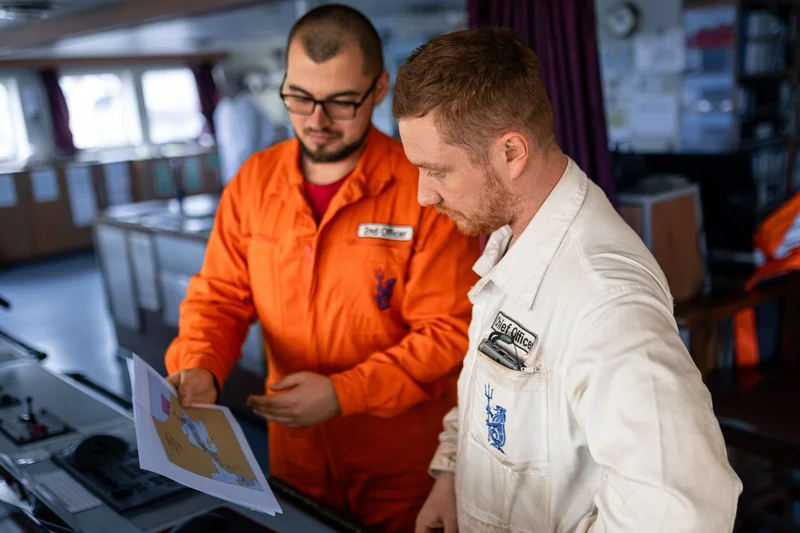
How do regulatory frameworks shape commercial operations in 2026?
Environmental compliance fundamentally dictates a vessel's earning potential in the current charter market. The IMO Net-Zero Framework, agreed in April 2025, targets net-zero emissions from international shipping by approximately 2050 (IMO MEPC 83). Consequently, charterers heavily scrutinize a vessel's Carbon Intensity Indicator (CII) rating and Energy Efficiency Existing Ship Index (EEXI) before finalizing fixtures.
A certified ship manager plays a critical role in optimizing these metrics through meticulous voyage planning, hull performance monitoring, and strategic engine power limitations. Organizations like BIMCO provide standardized charter party clauses that help owners and charterers allocate the risks and costs associated with these environmental regulations. Effective management bridges the gap between technical capability and commercial profitability.
Furthermore, seamless coordination between technical and commercial teams ensures that off-hire time is minimized during mandatory retrofits or class surveys. For a deeper understanding of this synergy, review our approach to commercial management. Strategic regulatory compliance is now a primary driver of commercial success.
How do port state control regimes view classification society standards?
Port State Control (PSC) authorities rely heavily on classification society records when targeting vessels for inspection. Paris MoU port state control inspects approximately 17,500 individual ships per year, with a detention rate around 3% (Paris MoU Annual Report, 2024). Vessels managed under robust, class-certified systems consistently present lower risk profiles, resulting in fewer targeted inspections and operational delays.
Inspectors prioritize vessels with a history of ISM code deficiencies, overdue class conditions, or structural anomalies. A certified manager maintains rigorous planned maintenance systems (PMS) to ensure that life-saving appliances, fire-fighting equipment, and pollution prevention systems are in constant readiness. This proactive maintenance culture is essential for passing rigorous PSC boardings.
When a vessel operates under a recognized class standard, it signals to authorities that the owner is committed to international maritime safety. Maintaining a clean PSC record is crucial for preserving a vessel's tradability and favorable insurance premiums.
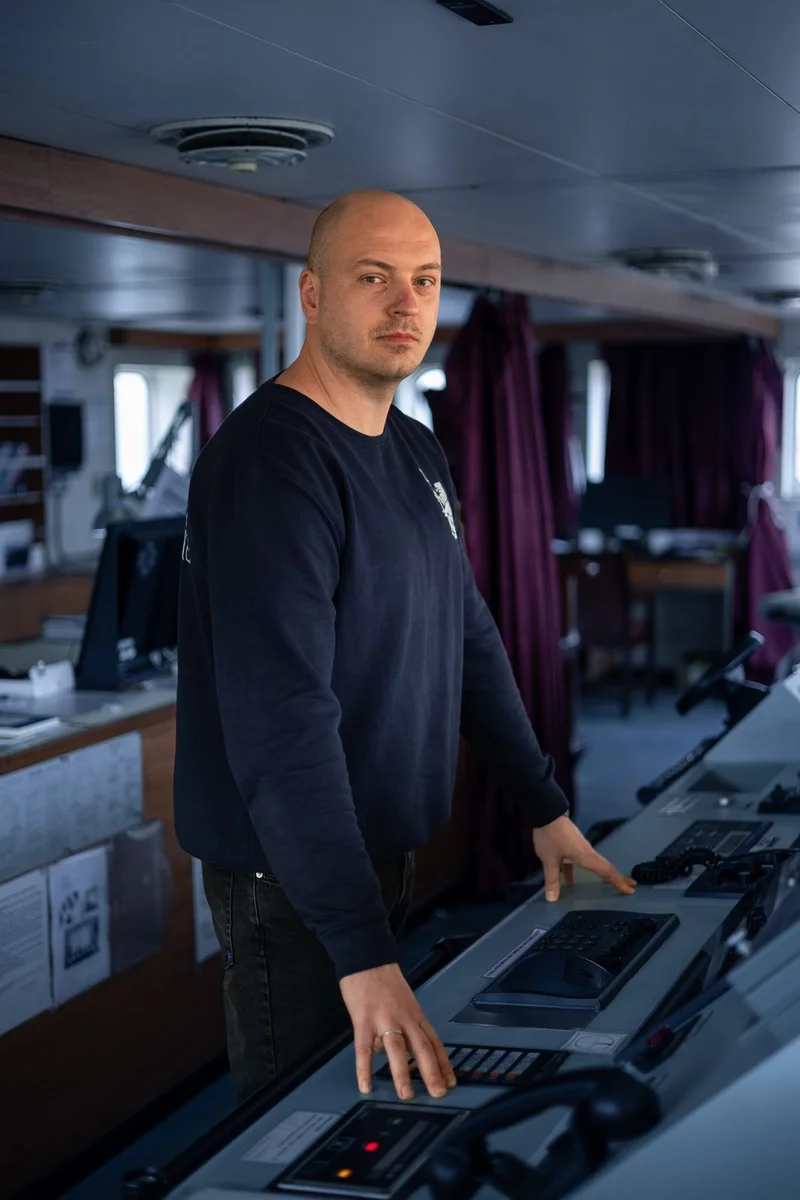
Discuss Bureau Veritas certified ship management with Trident Maritime
Trident Maritime delivers Ship management to ensure your fleet operates at the highest echelons of safety, compliance, and efficiency. As a BIMCO member holding ISO 9001, 14001, and 45001 certifications, we provide comprehensive technical and crew management for tankers, gas carriers, containerships, and bulkers. Our teams in Odesa, Hamburg, Dubai, and Hong Kong operate a 24/7 emergency response network to safeguard your maritime assets globally.
For a confidential discussion regarding your fleet's operational requirements, contact info@trident-maritime.com or visit our contacts page.
Frequently Asked Questions (FAQ)
What is included in Bureau Veritas certified ship management?
Bureau Veritas certified ship management includes comprehensive technical oversight, safety management system (SMS) implementation, planned maintenance, and crew administration. This certification ensures that all operational procedures comply with ISM, ISPS, and MLC standards, verified through regular external class audits.
How does ISO certification benefit commercial vessel operators?
ISO 9001, 14001, and 45001 certifications provide a structured, auditable framework for quality, environmental, and occupational health management. This minimizes operational risks, reduces off-hire incidents, and demonstrates a commitment to safety that charterers and marine insurers demand in 2026.
Does a certified manager handle SIRE 2.0 vetting preparation?
Yes. A certified ship manager conducts rigorous pre-vetting inspections and continuous crew training to prepare for SIRE 2.0. Because SIRE 2.0 evaluates both hardware and human factors, robust management protocols are essential for minimizing negative findings and securing charter approvals.
What vessel types are covered under your technical management scope?
Our core management scope covers commercial cargo vessels, including oil tankers, chemical tankers, LPG and LNG gas carriers, containerships, and bulkers ranging from handysize up to 300,000-DWT VLCC class. We ensure each vessel type meets its specific classification and flag state requirements.
How does MLC compliance impact crew management services?
The Maritime Labour Convention (MLC) dictates strict standards for seafarer employment, welfare, and living conditions. A certified crew manager handles compliant payroll, verifies electronic certificates of competency as per STCW 2025 amendments, and ensures adequate rest hours to prevent port state control detentions.
How much do third-party ship management services cost?
Pricing is by arrangement and depends on vessel type, flag, trading area, and contract scope. Comprehensive technical and crew management agreements are tailored to the specific operational requirements of the owner. Contact info@trident-maritime.com for a formal proposal.
Contact Trident Maritime
Need a consultation or proposal? Reach out through any of the channels below - we respond within one business day.
- Phone: +380487373735
- Email: info@trident-maritime.com