Technical Ship Management in 2026: A Guide for Owners
- What Does Technical Ship Management Encompass in 2026?
- How Does ISM Code Compliance Drive Technical Operations?
- What Is the Process for Planned Maintenance and Dry-Docking?
- How Do Managers Handle Procurement and Supply Chain Logistics?
- How Does Technical Management Impact Vetting Outcomes?
- Comparing In-House vs. Third-Party Technical Management
- Discuss Technical Ship Management with Trident Maritime
- Contact Trident Maritime
Technical ship management in 2026 is the core function ensuring a vessel's operational readiness, safety, and regulatory compliance. It encompasses planned maintenance, dry-docking supervision, procurement, budget management, and adherence to ISM, ISPS, and MARPOL standards. For owners of tankers, gas carriers, and bulkers, outsourcing this function provides access to specialised expertise and economies of scale.
The IMO's 2023 GHG Strategy, targeting at least a 20% reduction in shipping emissions by 2030, places significant new demands on technical managers to oversee performance optimisation and energy efficiency upgrades. This regulatory pressure makes robust, data-driven technical oversight more critical than ever for maintaining asset value and charter eligibility. A proactive approach is essential for navigating the complex requirements of flag states, class societies, and vetting bodies.
What Does Technical Ship Management Encompass in 2026?
Technical ship management is the comprehensive service that ensures a vessel is operated and maintained in a safe, efficient, and compliant manner. It forms the foundation of a ship's operational life, directly influencing its safety record, environmental performance, and commercial viability. The scope is broad, covering every aspect of the vessel's physical condition and regulatory standing.
Core responsibilities include implementing and managing the Planned Maintenance System (PMS), supervising all repair and maintenance activities, and arranging mandatory surveys and certifications. This also involves coordinating with the 12 member societies of the International Association of Classification Societies (IACS), which collectively cover over 90% of the world's cargo-carrying tonnage. The technical manager acts as the owner's representative in all dealings with class, flag state administrations, and port state control authorities.
Furthermore, the role extends to procurement of spares and stores, managing dry-docking and major repairs, overseeing vessel performance against charter party warranties, and maintaining detailed operational budgets. In essence, it is the complete lifecycle management of the vessel as a physical asset. This integrated approach ensures that the vessel not only meets but exceeds the standards required by international conventions like SOLAS, MARPOL, and the MLC.
How Does ISM Code Compliance Drive Technical Operations?
The International Safety Management (ISM) Code is the central framework governing the safe operation of ships and pollution prevention. For a technical manager, ensuring rigorous ISM compliance is not merely a documentation exercise; it is the organising principle for all operational activities. The Code mandates that every company develops, implements, and maintains a Safety Management System (SMS).
The SMS is a living set of procedures that dictates how critical operations are performed onboard and ashore. This includes protocols for emergency preparedness, maintenance schedules, internal audits, and management reviews. A Designated Person Ashore (DPA) provides a direct link between the company's senior management and those onboard, holding the authority to request resources and actions to ensure safety. Our marine consultancy services frequently involve auditing and refining SMS frameworks to meet evolving standards.
"A well-implemented ISM Code is visible in the vessel's condition and the crew's conduct. It moves safety from a checklist to a culture. In our experience, vessels with a strong safety culture consistently demonstrate lower incident rates, fewer PSC deficiencies, and higher operational availability, which directly translates to better commercial performance for the owner."
— Capt. Oleksiy Smolyar, Master Mariner / CEO Trident Maritime
Regular internal and external audits verify that the SMS is effective. Deficiencies or non-conformities identified during these audits, or by Port State Control inspections—which recorded a detention rate of 4.03% in the Paris MoU region in 2024—require structured corrective action and documented follow-up. This continuous cycle of implementation, verification, and improvement is fundamental to successful technical management.
What Is the Process for Planned Maintenance and Dry-Docking?
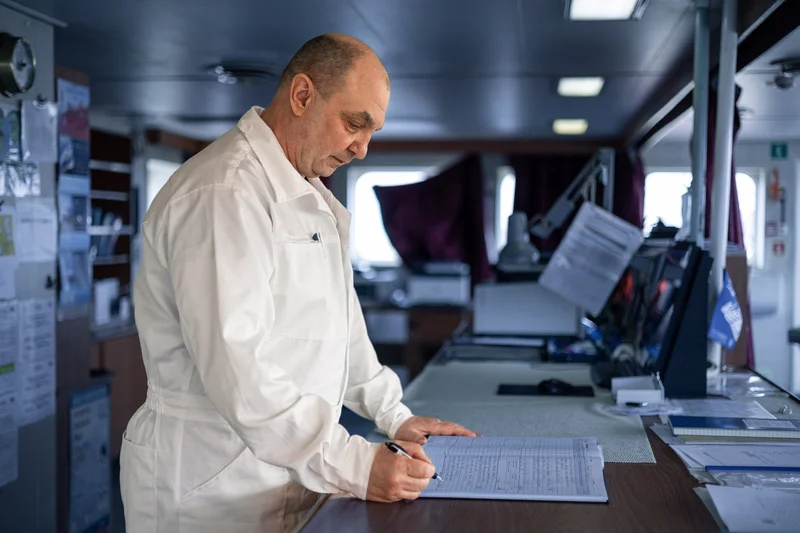
Proactive maintenance is the cornerstone of reliable vessel operation and asset value preservation. This is managed through a computerized Planned Maintenance System (PMS), which schedules and tracks all maintenance tasks for machinery and equipment based on manufacturers' recommendations, class requirements, and operational experience. A robust PMS prevents costly breakdowns, enhances safety, and ensures the vessel remains in a constant state of readiness.
Dry-docking is the most significant scheduled maintenance event in a vessel's life, typically occurring every five years. The technical manager's role is to plan, budget, and supervise the entire process. This starts months in advance with the preparation of a detailed dry-dock specification, tendering with suitable shipyards, and negotiating contracts. Key activities during dry-docking include hull treatment, overhaul of main and auxiliary engines, inspection of the propeller and rudder, and renewal of statutory certificates.
Effective supervision is critical to controlling costs and timelines. Our technical superintendents, based in key maritime hubs like Hamburg, Dubai, and Hong Kong, provide on-site project management to ensure work is completed to the required standard. A well-managed dry-docking not only satisfies class and flag requirements but also enhances the vessel's efficiency and reliability for the next operational cycle.
How Do Managers Handle Procurement and Supply Chain Logistics?
An efficient and cost-effective supply chain is vital for uninterrupted vessel operations. Technical managers are responsible for the procurement of all necessary spares, stores, lubricants, and provisions. This requires a global network of trusted suppliers, robust purchasing procedures, and strong negotiation skills to achieve economies of scale.
The process involves managing requisitions from the vessel, obtaining competitive quotes, and arranging timely delivery to ports worldwide. For critical components, this includes coordinating with original equipment manufacturers (OEMs) and ensuring the authenticity and quality of spares. Managing logistics in diverse locations, from Rotterdam to Singapore, demands deep local knowledge and established relationships with port agents and forwarders.
Effective budget control is paramount. All purchasing activities are tracked against the vessel's operational expenditure (OPEX) budget. By leveraging the consolidated purchasing power of a managed fleet, third-party managers can often secure more favourable pricing than a single-vessel owner, delivering direct cost savings. Trident Maritime's ISO 9001 certified processes ensure full transparency and accountability in all procurement activities.
How Does Technical Management Impact Vetting Outcomes?
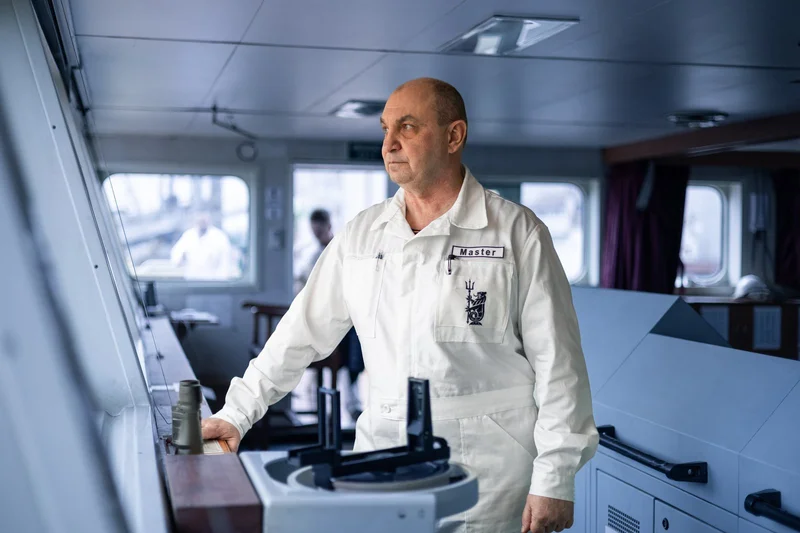
For tankers and bulk carriers, passing vetting inspections is a prerequisite for employment with major charterers. A vessel's technical condition and the quality of its management are scrutinised during these inspections, making the technical manager's performance a key factor in commercial success. Programs like OCIMF's SIRE 2.0 for tankers and RightShip's RISQ for bulkers set the industry standard.
The transition to SIRE 2.0, which became mandatory in September 2024, has significantly raised the bar. Inspections are now more dynamic, with human-factor-led questioning, and typically identify 20-30 findings per vessel, a sharp increase from the 2-4 common under the legacy VIQ7 regime. Proactive maritime technical services, including pre-vetting preparation and crew training, are essential to navigate this new landscape successfully.
A technical manager ensures the vessel is physically prepared and that the crew can confidently demonstrate their competence and familiarity with the SMS. This involves rigorous internal audits, mock inspections, and targeted training to address potential gaps. A strong and consistent vetting record is a direct reflection of high-quality technical management and is one of the most important metrics for a vessel's chartering prospects.
Comparing In-House vs. Third-Party Technical Management
Shipowners must decide whether to manage their vessels in-house or to outsource to a third-party ship manager. While in-house management offers direct control, it requires significant investment in shore-based staff, systems, and compliance infrastructure. Outsourcing provides access to specialised expertise and established systems without the high fixed costs.
The table below outlines the key differences between the two models for 2026:
| Criterion | In-House Management | Third-Party Management |
|---|---|---|
| Cost Structure | High fixed overheads (salaries, office, software licenses). Costs are less flexible with fleet size. | Variable cost based on a fixed management fee per vessel. Predictable OPEX. |
| Expertise & Resources | Expertise is limited to the in-house team's experience. Requires continuous investment in training. | Access to a large pool of experienced superintendents, procurement specialists, and compliance officers. |
| Economies of Scale | Limited purchasing power for spares, lubricants, and insurance, especially for smaller fleets. | Significant savings through bulk procurement across a large managed fleet. Established global supplier network. |
| Regulatory Compliance | Requires a dedicated team to track and implement complex regulations from IMO, flag states, and PSC. | Specialised compliance departments continuously monitor regulations and update the SMS across the fleet. |
| Scalability | Scaling up or down is slow and costly due to hiring and infrastructure changes. | High flexibility to add or remove vessels from management with minimal disruption. |
| Focus | Owner's attention is divided between commercial activities and technical operations. | Owner can focus on core commercial strategy, while the manager handles all technical and operational details. |
The decision depends on the owner's fleet size, risk appetite, and strategic focus. For many, the third-party model offers a more efficient, scalable, and resilient solution in the face of increasing operational complexity. As a BIMCO member, Trident Maritime adheres to the highest industry standards in third-party management.
Related Reading
- Maritime Technical Services in 2026: A Complete Guide
- TMSA 3 Consultancy in 2026: The 13 Elements Explained
- What Is a Maritime Company? A 2026 Operations Guide
Discuss Technical Ship Management with Trident Maritime
Trident Maritime provides comprehensive technical management services for tankers, gas carriers, containerships, and bulkers. As a BIMCO member with ISO 9001, 14001, and 45001 certifications, we deliver transparent, compliant, and cost-effective solutions. Our international team operates from offices in Odesa, Hamburg, Dubai, and Hong Kong, offering 24/7 support to ensure your assets are protected and performance is maximised.
Our services are tailored to the specific needs of each owner, focusing on safety, environmental responsibility, and operational excellence. We leverage advanced Planned Maintenance Systems and a global procurement network to maintain vessel condition and control costs. From routine maintenance to complex dry-docking projects and newbuilding supervision, our experienced superintendents provide the expertise required in today's demanding market.
For a confidential discussion on how our technical management services can support your fleet, contact info@trident-maritime.com or visit our contacts page.
Frequently Asked Questions (FAQ)
What is the primary goal of technical ship management?
The primary goal of technical ship management is to ensure a vessel is operated safely, efficiently, and in full compliance with international and national regulations. This involves proactive maintenance to maximize the vessel's operational availability, preserve its asset value, and protect the owner's interests. It also focuses on managing operational costs effectively while upholding the highest standards of safety for the crew, vessel, and environment, as mandated by frameworks like the IMO's ISM Code.
How often are technical inspections and audits conducted?
Technical inspections and audits are conducted on a continuous basis. A vessel's Safety Management System (SMS) requires regular internal audits, typically at least once a year. External audits by the flag state or a Recognised Organisation are conducted to renew the Safety Management Certificate (SMC) every five years, with an intermediate audit in between. Additionally, class societies conduct annual and special surveys, while Port State Control and vetting inspectors can inspect the vessel at any port call.
What is a Planned Maintenance System (PMS)?
A Planned Maintenance System (PMS) is a software-based system used to schedule, track, and document all maintenance activities on a vessel. It contains a database of all machinery and equipment, with maintenance jobs scheduled based on running hours, calendar intervals, or condition monitoring. A PMS is mandatory under the ISM Code and is essential for ensuring that critical equipment is maintained according to manufacturer specifications and regulatory requirements, thereby preventing breakdowns and ensuring compliance during surveys and inspections.
How does a technical manager handle emergencies?
A technical manager handles emergencies through a well-defined Emergency Response Plan (ERP), which is a key component of the Safety Management System. A 24/7 emergency response team is always on standby ashore to provide immediate support to the vessel. In an emergency, this team coordinates with the Master, owners, P&I clubs, class societies, and relevant authorities to manage the situation, mitigate risks, and ensure the safety of life, property, and the environment.
What vessel types does Trident Maritime's technical management cover?
Trident Maritime's core expertise in technical management covers a range of commercial cargo vessels, including tankers (oil, product, and chemical), gas carriers (LPG/LNG), containerships, and bulk carriers of all sizes from Handysize up to Very Large Crude Carriers (VLCCs) and Capesize. While our primary scope is these vessel types, we can provide related marine consultancy and advisory services for other segments upon specific request, leveraging our broad technical and operational experience.
What is the typical duration of a ship management agreement?
The duration of a ship management agreement is subject to negotiation but is typically structured as a long-term partnership. Standard agreements, often based on BIMCO's SHIPMAN 2024 form, usually have an initial term of one to three years. They often include provisions for automatic renewal unless terminated by either party with a specified notice period, typically three to six months. This long-term structure allows the manager to implement lasting improvements in vessel maintenance and operational efficiency.
Contact Trident Maritime
Need a consultation or proposal? Reach out through any of the channels below — we respond within one business day.
- Phone: +380487373735
- Email: info@trident-maritime.com