Maritime Technical Services in 2026: A Complete Guide
- What Are Maritime Technical Services in 2026?
- How Does the Technical Management Process Work?
- What KPIs Define Success in Technical Management?
- How Do IACS and Flag States Influence Operations?
- Navigating Dry-Docking and Major Retrofits in 2026
- What Common Mistakes Undermine Vessel Performance?
- Discuss Your Vessel's Technical Needs with Trident Maritime
- Contact Trident Maritime
What Are Maritime Technical Services in 2026?
Maritime technical services are a comprehensive suite of activities designed to ensure a vessel operates safely, efficiently, and in full compliance with international and local regulations. This discipline has evolved far beyond simple repair and maintenance, now integrating complex data analytics, environmental performance management, and rigorous safety protocols mandated by the IMO's International Safety Management (ISM) Code.
The core components of modern technical management include planned maintenance systems (PMS), dry-docking and major repair supervision, procurement of spares and stores, and continuous oversight of the vessel's condition. It also involves managing relationships with classification societies, flag states, and port state control authorities. According to the International Association of Classification Societies (IACS), its 12 member societies cover over 90% of the world's cargo-carrying tonnage, making class rules a central pillar of technical compliance.
Furthermore, the introduction of the IMO's Carbon Intensity Indicator (CII) and Energy Efficiency Existing Ship Index (EEXI) has embedded decarbonisation into the fabric of technical services. Managers are now responsible for implementing and monitoring vessel efficiency upgrades, such as hull coating systems, engine power limitation (EPL), and energy-saving devices, to maintain a compliant CII rating and ensure the asset's long-term charterability. This proactive management is critical for a shipowner's return on investment.
Ultimately, the goal of professional technical management is to maximise vessel availability and performance while minimising operational risks and costs. It is a data-driven, regulation-focused discipline that protects the asset, the crew, and the environment. Proficient execution of maritime technical services is the primary defence against costly detentions, off-hire periods, and reputational damage.
How Does the Technical Management Process Work?
The process of delivering maritime technical services follows a structured, cyclical methodology, typically beginning with a vessel takeover and extending through its operational life. This systematic approach ensures consistency, transparency, and adherence to the owner's standards and international regulations. The entire framework is built upon the principles outlined in the ISM Code, which provides the international standard for the safe management and operation of ships.
The process can be broken down into key stages:
- Vessel Takeover and Condition Assessment: The process begins with a thorough inspection of the vessel and its documentation. Technical superintendents conduct a detailed condition assessment, review class records, and evaluate the existing Planned Maintenance System (PMS). This initial phase establishes a baseline for future performance monitoring.
- PMS Implementation and Optimisation: A robust PMS is populated with all machinery and equipment data. Maintenance schedules are aligned with manufacturer recommendations, class requirements, and operational experience. Modern systems are cloud-based, allowing for real-time monitoring and data analysis from shore.
- Budgeting and Financial Control: A detailed annual operating budget is prepared for the owner's approval. This budget covers all anticipated technical expenses, including spares, stores, lubricants, repairs, and dry-docking provisions. All procurement and expenditure are then tracked against this budget.
- Procurement and Logistics: The technical department manages the procurement of all necessary spares, consumables, and services. This involves leveraging a global network of approved suppliers to ensure cost-effectiveness and timely delivery to the vessel, wherever it may be trading.
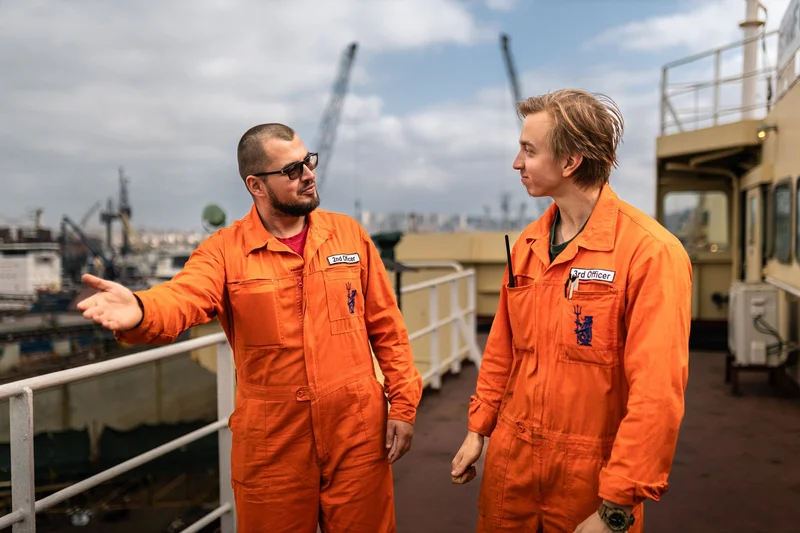
- Routine Monitoring and Superintendent Visits: Technical superintendents regularly visit the vessel (typically 2-4 times per year) to conduct audits, oversee critical maintenance tasks, and support the ship's command. Between visits, performance is monitored remotely through daily reports and PMS data.
- Regulatory and Class Liaison: The technical manager acts as the primary point of contact for the vessel's classification society and flag administration. This includes coordinating all surveys, audits, and certifications to ensure the vessel remains compliant and in class at all times.
This structured workflow ensures that every aspect of the vessel's physical condition and regulatory standing is professionally managed, providing the shipowner with operational assurance and peace of mind. The process is a continuous loop of planning, execution, monitoring, and review, central to effective third-party ship management.
What KPIs Define Success in Technical Management?
Success in technical management is measured by a range of quantitative Key Performance Indicators (KPIs) that go far beyond simple adherence to budget. These metrics provide a holistic view of a vessel's operational health, safety culture, and efficiency. They are essential tools for both the ship manager and the owner to benchmark performance and identify areas for improvement.
Key operational KPIs include vessel uptime or availability, which measures the percentage of time the vessel is available for commercial operations. A high uptime rate (typically >98%) indicates effective planned maintenance and minimal unscheduled downtime. Another critical metric is the number and severity of Port State Control (PSC) deficiencies. Data from bodies like the Paris MoU and Tokyo MoU, which collectively conduct tens of thousands of inspections annually, show that technically sound vessels consistently have fewer, if any, detainable deficiencies.
Safety and environmental KPIs are paramount. The Lost Time Injury Frequency Rate (LTIFR) measures the number of injuries resulting in lost work time per million hours worked, serving as a primary indicator of onboard safety culture. On the environmental front, the vessel's achieved annual Carbon Intensity Indicator (CII) rating (A to E) is now a definitive KPI, directly impacting the ship's future trading eligibility under the IMO 2023 GHG Strategy. Effective technical management aims for a continuously improving CII rating through operational measures and technology retrofits.
Financial KPIs remain crucial, with performance measured by the variance between the actual operational expenditure (OPEX) and the approved budget. However, this must be balanced against the other KPIs; a budget underspend achieved by deferring critical maintenance is a false economy that will inevitably lead to higher costs and risks later. The ultimate KPI is the overall preservation and enhancement of the vessel's asset value over its lifecycle.
How Do IACS and Flag States Influence Operations?
The relationship between the technical manager, the Flag State, and the Classification Society forms a regulatory triangle that governs a vessel's operational life. The Flag State (the country where the vessel is registered) is the primary legal authority, responsible for enforcing international conventions like SOLAS, MARPOL, and the MLC, 2006. The Flag delegates much of the technical survey and certification work to Recognised Organisations (ROs), which are almost always IACS member classification societies.
The International Association of Classification Societies (IACS) sets minimum technical standards, known as Unified Requirements (URs) and Common Structural Rules (CSR), which its 12 member societies (including DNV, ABS, Lloyd's Register, and Bureau Veritas) must apply. These rules cover everything from hull structural integrity to machinery installation and periodic survey requirements. The technical manager's PMS must be designed to meet or exceed these IACS survey schedules to ensure the vessel's Certificate of Class remains valid.
In practice, our technical superintendents work in constant liaison with both Flag and Class surveyors. For example, during a 5-year special survey in dry-dock, a Class surveyor will be in attendance to verify that all required structural and machinery inspections have been completed satisfactorily. Similarly, a Flag State inspector may conduct an annual safety inspection to verify compliance with statutory regulations. Failure to satisfy either party can result in the vessel being unable to trade legally.
This tripartite system ensures a robust system of checks and balances, where the technical manager implements maintenance, the Class society verifies technical integrity, and the Flag State enforces international law. A competent technical services provider navigates this complex landscape seamlessly, ensuring all surveys are planned, prepared for, and cleared without disruption to the vessel's schedule.
Navigating Dry-Docking and Major Retrofits in 2026
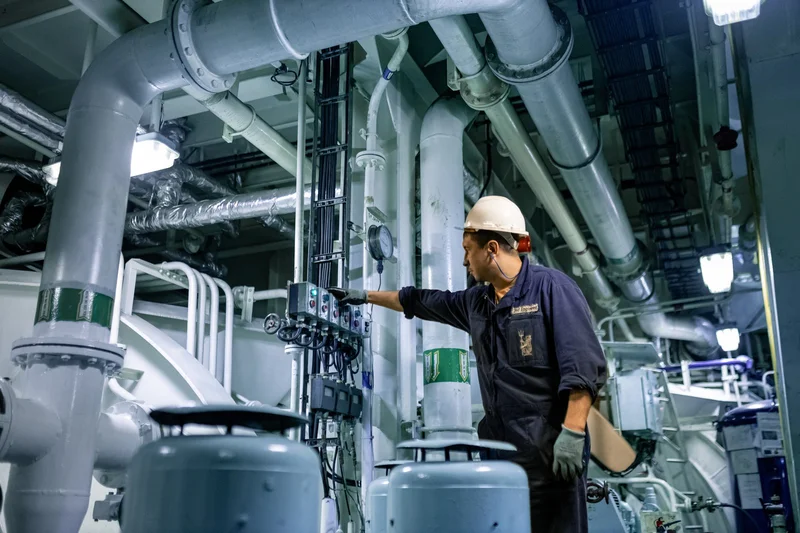
Dry-docking is one of the most complex and costly events in a vessel's operational lifecycle, requiring meticulous planning and project management. A standard dry-docking for a special survey involves a detailed specification of works, shipyard selection and negotiation, and on-site supervision. In 2026, these projects are often compounded by the need for major retrofits, such as the installation of Ballast Water Treatment Systems (BWTS) or energy-saving technologies to improve CII ratings.
The planning process for a dry-docking begins at least 12-18 months in advance. The technical manager compiles a comprehensive repair specification based on PMS data, superintendent inspections, and upcoming class survey requirements. This document is sent to a shortlist of suitable shipyards for competitive tendering. The final choice of yard is based not just on price, but also on quality, available docking slots, and previous experience with similar vessel types.
On-site supervision is critical to controlling costs and ensuring quality. A dedicated team, led by a senior technical superintendent, manages the project at the shipyard, holding daily progress meetings, approving emergent repairs, and liaising with the Class surveyor. In our experience supervising projects in major shipbuilding and repair hubs, having a strong, experienced site team is the single most important factor in completing a dry-docking on time and on budget.
The table below outlines key differences between a routine survey-driven dry-docking and one involving a major technological retrofit.
| Criterion | Standard Dry-Docking (Special Survey) | Major Retrofit Dry-Docking (e.g., BWTS/Scrubber) |
|---|---|---|
| Primary Objective | Statutory & Class survey compliance, routine maintenance. | Compliance with new environmental regulations (e.g., BWM Convention) and/or efficiency improvement. |
| Planning Lead Time | 12-18 months | 18-24 months (includes engineering studies, equipment procurement). |
| Key Stakeholders | Owner, Manager, Class, Shipyard. | Owner, Manager, Class, Shipyard, Equipment Manufacturer, Engineering Consultants. |
| Typical Duration | 15-25 days | 25-45 days (depending on complexity). |
| Cost Drivers | Steel renewal, hull treatment, main engine overhaul. | Equipment cost, system integration, engineering, crew training. |
| Primary Risk | Discovery of unexpected steel wastage, repair cost overruns. | System integration issues, commissioning delays, interface problems with existing machinery. |
Effective management of these complex projects is a core function of modern maritime technical services, safeguarding the vessel's long-term value and operational capability.
What Common Mistakes Undermine Vessel Performance?
Even with robust systems, certain operational pitfalls can compromise a vessel's technical performance, leading to increased costs, downtime, and regulatory risk. Based on our experience, these issues often stem from a disconnect between shore-based management and onboard reality, or from short-term cost-saving measures that create long-term problems.
One of the most frequent mistakes is the inconsistent application of the Planned Maintenance System (PMS). A PMS is only effective if it is followed diligently by the crew and supported by management. Deferring critical maintenance tasks to save on immediate costs is a dangerous practice that can lead to catastrophic equipment failure, as noted by Capt. Oleksiy Smolyar, Director of Trident Maritime. This often results in expensive emergency repairs and significant off-hire periods that far outweigh the initial savings.
Another common issue is suboptimal procurement. Opting for non-original equipment manufacturer (non-OEM) spare parts to reduce upfront costs can lead to premature failure and compatibility issues. A professional technical manager maintains a stringent vendor approval process and understands that the total cost of ownership, not just the purchase price, is the correct metric for evaluating spares. This requires a deep understanding of the equipment and a reliable global supply chain.
Finally, inadequate training, particularly for new technologies like Ballast Water Treatment Systems or advanced engine control systems, can severely undermine performance. A successful crew management strategy must be integrated with technical management to ensure that seafarers receive hands-on, type-specific training. Without this, expensive new equipment may be operated incorrectly, leading to damage, non-compliance, and frustration for both ship and shore staff. Avoiding these common errors is a key differentiator of a high-performing technical services provider.
Related Reading
- Third-Party Ship Management in 2026: A Shipowner's Guide
- Pre-Vetting Inspection Tanker Guide for 2026
- Crew Management Services in 2026: STCW & MLC Compliance
Discuss Your Vessel's Technical Needs with Trident Maritime
Trident Maritime provides comprehensive, ISO 9001 / 14001 / 45001 certified technical management services for tankers, gas carriers, containerships, and bulkers. As a BIMCO member with operational hubs in Odesa, Hamburg, Dubai, and Hong Kong, we offer global coverage with localised expertise. Our approach is built on transparency, technical excellence, and a commitment to preserving asset value.
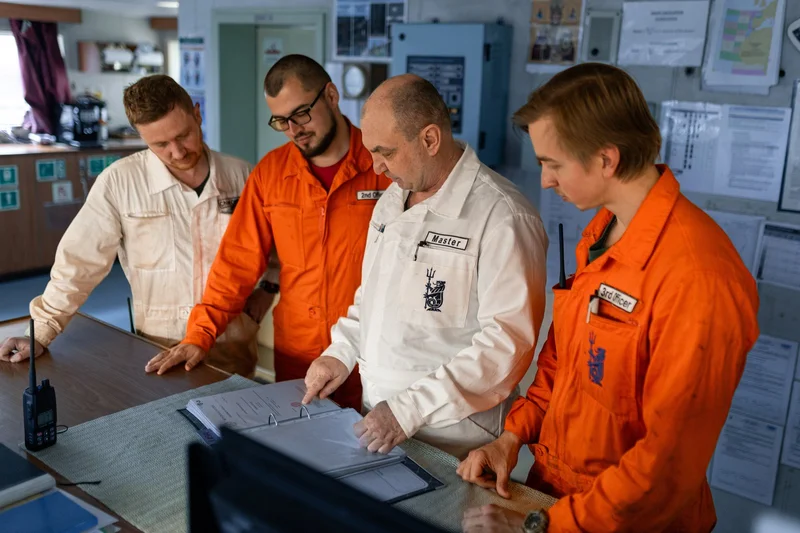
Our team of experienced master mariners, chief engineers, and technical superintendents provides 24/7 support to ensure your vessels operate safely and efficiently. We manage every aspect of technical operations, from day-to-day maintenance to complex dry-docking projects and regulatory compliance challenges. This allows shipowners to focus on the commercial aspects of their business with confidence.
For a confidential discussion about our vessel inspection and management solutions, contact info@trident-maritime.com or visit our contacts page.
Frequently Asked Questions (FAQ)
What is a Planned Maintenance System (PMS) in shipping?
A Planned Maintenance System (PMS) is a software-based system used to schedule, track, and document all maintenance activities on board a vessel. It is a core requirement of the ISM Code. The system contains a database of all machinery and equipment, with maintenance jobs scheduled based on running hours or calendar intervals as recommended by manufacturers and required by classification societies. A well-managed PMS is essential for preventing equipment failures, ensuring regulatory compliance, and controlling maintenance costs.
How often does a technical superintendent visit a vessel?
A technical superintendent typically visits each assigned vessel two to four times per year. The frequency depends on the vessel's age, trading pattern, and specific operational needs. These visits are crucial for conducting internal audits, verifying the condition of the vessel, overseeing critical maintenance, building a relationship with the senior officers, and ensuring that company policies are being implemented effectively. Additional visits are scheduled for specific events like dry-dockings or major repairs.
What is the role of a technical manager during a Port State Control (PSC) inspection?
During a PSC inspection, the technical manager provides immediate shore-based support to the vessel's crew. This includes providing any requested documentation, clarifying technical queries from the PSC officer, and developing a corrective action plan if deficiencies are found. In the event of a potential detention, the manager liaises directly with the PSC authority and the vessel's classification society to resolve the issues as quickly as possible, aiming to prevent or minimise any commercial downtime.
How are maritime technical services priced?
Pricing is by arrangement and depends on vessel type, age, flag, trading area, and the specific scope of the management contract. A fixed monthly management fee is standard, covering all shore-based support, while operational costs (spares, repairs, etc.) are budgeted separately and passed through at cost. For a formal proposal tailored to your fleet, please contact our commercial team at info@trident-maritime.com.
What is the difference between a Flag State and a Classification Society?
The Flag State is the government of the country where the ship is registered (e.g., Panama, Liberia, Marshall Islands). It is responsible for enforcing international maritime laws and conventions (SOLAS, MARPOL) on its registered vessels. A Classification Society (e.g., DNV, ABS, Lloyd's Register) is a non-governmental organisation that establishes and maintains technical standards for the construction and operation of ships. The Flag State authorises the Class Society to perform most statutory surveys and certifications on its behalf.
What does an ISM Code audit involve?
An ISM Code audit verifies that a ship management company and its vessels are adhering to their Safety Management System (SMS). An external auditor from the Flag State or Classification Society reviews documents, interviews personnel ashore and onboard, and observes operations to ensure procedures for safety and pollution prevention are effectively implemented. The process includes an annual office audit for the Document of Compliance (DOC) and a vessel audit every 2.5 to 5 years for the Safety Management Certificate (SMC).
Contact Trident Maritime
Need a consultation or proposal? Reach out through any of the channels below — we respond within one business day.
- Phone: +380487373735
- Email: info@trident-maritime.com