Maritime procurement in 2026: A Technical Guide
The third-party ship management segment is projected to grow at approximately 9% CAGR through 2035 (Business Research Insights, 2025), driving fleet operators to standardise their supply chains. Efficient vessel operations require a seamless flow of technical spares, stores, and provisions to prevent costly off-hire periods. Modern operators rely on data-driven purchasing strategies integrated directly with planned maintenance systems.
Maritime procurement in 2026 encompasses the sourcing, purchasing, and global delivery of vessel spares, stores, and provisions. Technical managers ensure strict compliance with IMO standards while optimising logistics for tankers, gas carriers, and bulkers. Discover the core processes driving operational efficiency and cost control.
How does maritime procurement work in 2026?
Vessel supply chains involve highly specialised workflows designed to deliver critical components to moving assets across global ports. Superintendents coordinate with purchasing officers to source original equipment manufacturer (OEM) parts, marine lubricants, and deck stores. Every component must meet strict international safety and quality standards before installation.
Regulatory frameworks dictate the sourcing of critical machinery across all commercial fleets. The IACS comprises 12 member classification societies covering more than 90% of the world's cargo-carrying tonnage (IACS Annual Review 2025). Components affecting a vessel's class status must be supplied with valid certification from these recognised organisations to avoid port state control detentions.
Integration with digital tools has transformed these operations from reactive purchasing to predictive sourcing. By leveraging comprehensive technical management, shipowners can consolidate vendor networks and negotiate framework agreements. Strategic procurement ensures high availability of class-approved spares while systematically minimising global freight costs.
What is the step-by-step maritime procurement process?
Executing a flawless supply chain operation requires rigorous coordination between the vessel, technical managers, and logistics providers. A structured workflow prevents delays during critical port calls or scheduled dry docking periods. The standard lifecycle of a vessel requisition follows several controlled stages to guarantee compliance.
- Requisition generation. The Chief Engineer raises a request via the onboard Planned Maintenance System (PMS) based on running hours.
- Technical review. Superintendents evaluate the requisition ashore, verifying class requirements and budgetary allocations.
- Vendor sourcing. Purchasing officers request quotations from vetted suppliers, prioritising contracted OEM partners.
- Purchase order issuance. A formal PO is generated, specifying delivery terms, packaging requirements, and necessary class certificates.
- Freight forwarding. Logistics agents consolidate shipments at regional hubs before dispatching them to the vessel's next port.
- Onboard receipt. The crew verifies the delivered items against the delivery note and updates the PMS inventory.
"Effective vessel supply chains require integrating class-approved spares sourcing directly with planned maintenance systems. This proactive approach is the only way to eliminate critical downtime during dry docking or emergency repairs."
- Capt. Oleksiy Smolyar, Master Mariner / CEO Trident Maritime
Consistent execution of these procurement steps guarantees that commercial vessels remain fully operational and structurally compliant across all trading routes.
What are the pricing and delivery timelines?
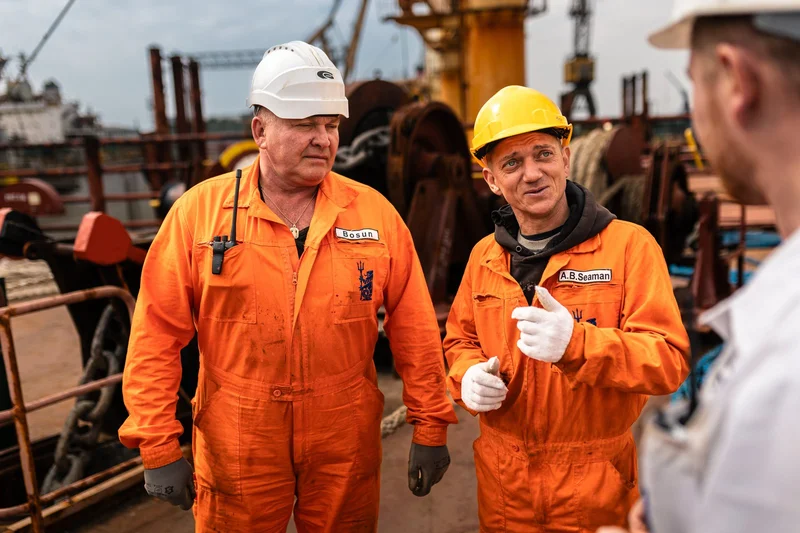
Supply chain costs extend far beyond the unit price of a replacement spare part. Freight forwarding, customs clearance, and last-mile barge deliveries often constitute a significant portion of the total landed cost. Pricing is by arrangement and depends on vessel type, flag, trading area, and contract scope.
Delivery windows are heavily influenced by the vessel's itinerary and the strategic location of consolidation hubs. Major maritime centres in Singapore, the Netherlands, Germany, and the UAE offer rapid customs processing and extensive local inventories. Conversely, deliveries to remote terminals require extended lead times and highly specialised forwarding agents.
Operators must balance the urgency of a requirement against the premium cost of air freight. Routine consumables and commercial management supplies are typically ordered months in advance for sea freight consolidation. Proactive inventory planning allows technical departments to bypass emergency air freight rates entirely.
How does SIRE 2.0 impact tanker procurement?
The transition to digital vetting regimes has fundamentally altered how tanker operators manage their onboard inventories. SIRE 2.0 became the mandatory tanker vetting standard on 2 September 2024, replacing VIQ7 (OCIMF, 2024). Under this new regime, inspectors heavily scrutinise the availability of critical spares and the accuracy of the PMS.
Failing to maintain required stock levels directly impacts a vessel's commercial viability. SIRE 2.0 inspections typically identify 20-30 findings per vessel, versus the 2-4 typical under VIQ7 (industry analysis, 2024). Many of these findings relate to hardware defects that could have been resolved if the correct OEM spares were procured in advance.
Preparing for these rigorous assessments requires seamless coordination between the purchasing department and the sailing crew. Engaging professional vessel inspections support helps identify inventory gaps before the vetting inspector boards. Maintaining a continuous pipeline of class-approved spares is now a mandatory prerequisite for securing major energy charters.
How do in-house and outsourced procurement models compare?
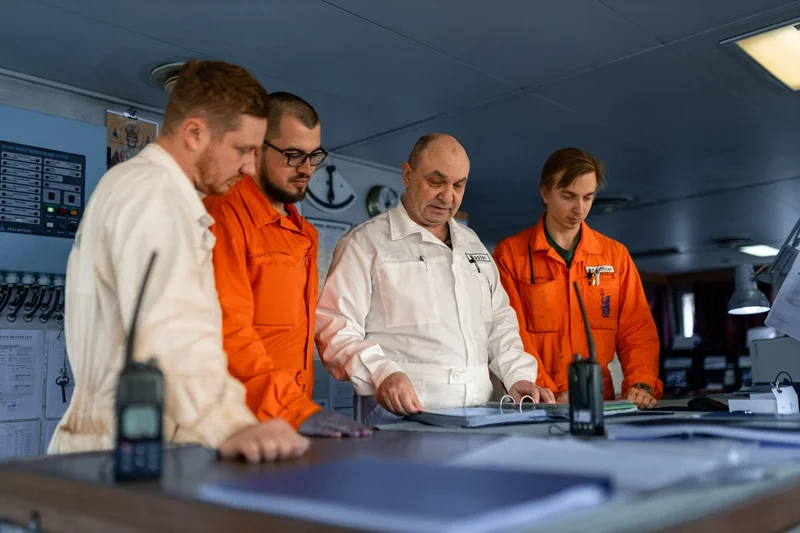
Shipowners continually evaluate whether to manage purchasing internally or delegate it to third-party specialists. Both models offer distinct advantages depending on fleet size, trading patterns, and internal resource capacity. Delegating to established managers often unlocks immediate economies of scale.
| Criterion | In-House Management | Third-Party Management |
|---|---|---|
| Vendor Network | Limited to direct relationships | Global framework agreements |
| Scalability | Requires hiring additional staff | Instantly scales with fleet size |
| Volume Discounts | Low (based on single fleet) | High (leveraging pooled volume) |
| Compliance Tracking | Manual certificate verification | Automated IACS documentation |
The global ship management market is estimated at USD 3.41 billion in 2025, projected to reach USD 8.24 billion by 2035 (Business Research Insights, 2025). Outsourcing purchasing functions allows owners to benefit from established digital ecosystems and fully vetted supplier databases. Leveraging a third-party procurement network significantly reduces administrative overhead while improving spare part availability.
What role does crew management play in onboard inventory?
The most sophisticated procurement system fails if the onboard personnel cannot accurately identify necessary spares. The IMO STCW Convention applies to approximately 1.2 million certificated seafarers on over 50,000 vessels worldwide (IMO, 2025). Ensuring these professionals are trained in modern inventory software is critical for supply chain accuracy.
When engineers submit vague requisitions lacking maker names or serial numbers, it leads to incorrect deliveries and wasted freight expenses. Comprehensive crew management ensures that senior officers understand the financial impact of poor inventory control. Regular training on the vessel's specific PMS reduces the frequency of emergency purchase orders.
Furthermore, seafarer welfare directly depends on the timely procurement of quality provisions and bonded stores. The Maritime Labour Convention 2006 (MLC) is in force in countries representing over 97% of world gross shipping tonnage (ILO, 2026). Reliable provisioning operations ensure MLC compliance while maintaining high crew morale during extended voyages.

How to avoid common supply chain mistakes?
A frequent error in vessel purchasing is ignoring regulatory shifts that impact equipment sourcing. The IMO Net-Zero Framework, agreed in April 2025, targets net-zero emissions from international shipping by approximately 2050 (IMO MEPC 83). Procuring outdated machinery components can render a vessel non-compliant with evolving energy efficiency indices.
Another pitfall is failing to verify the authenticity of critical engine parts supplied by secondary vendors. Superintendents should always verify that suppliers hold valid ISO 9001 certifications and provide genuine traceability. Engaging marine consultancy experts during complex retrofit projects mitigates the risk of installing substandard equipment.
Finally, operators must align their purchasing strategies with global regulatory bodies like the IMO - International Maritime Organization and OCIMF - Oil Companies International Marine Forum. Proactive technical departments audit their supply chains annually to ensure absolute compliance with international maritime law.
Related reading
Expanding your knowledge of vessel operations ensures better decision-making across all technical departments. Explore our comprehensive resources on fleet administration and regulatory compliance.
- Technical Ship Management in 2026: A Guide for Owners
- Vessel Management in 2026: A Technical Guide for Shipowners
- Bulk Carrier Management in 2026: A Technical Guide
Frequently asked questions
What does maritime procurement cover for bulk carriers?
Maritime procurement for bulk carriers covers the sourcing of technical spares, deck stores, marine lubricants, and crew provisions. This applies to all vessel sizes, from handysize up to capesize operations. The process ensures that grab hardware, hatch cover spares, and main engine components are delivered to the vessel prior to cargo loading.
How much do maritime procurement services cost?
Pricing is by arrangement and depends on vessel type, flag, trading area, and contract scope. The total cost includes the unit price of the spares, freight forwarding, customs clearance, and management fees. Contact info@trident-maritime.com for a formal proposal tailored to your fleet's specific operational requirements.
Which flag states require specific class certificates for spares?
All major flag states require critical machinery spares to hold valid certificates from recognised organisations. The IACS comprises 12 member classification societies covering more than 90% of the world's cargo-carrying tonnage (IACS Annual Review 2025). Items like generator components, life-saving appliances, and steering gear must be accompanied by these approved documents.
How does SIRE 2.0 affect spare parts inventory?
SIRE 2.0 places intense scrutiny on the physical condition of the vessel and the accuracy of the planned maintenance system. SIRE 2.0 inspections typically identify 20-30 findings per vessel, versus the 2-4 typical under VIQ7 (industry analysis, 2024). Missing critical spares for safety equipment or cargo machinery will result in negative vetting observations.
Can procurement systems integrate with existing PMS?
Yes, modern maritime purchasing workflows are designed to integrate directly with the vessel's Planned Maintenance System. When the chief engineer raises a requisition based on running hours, it automatically alerts the technical superintendent ashore. This seamless digital handshake prevents duplicate orders and ensures precise tracking of annual maintenance budgets.
Where are the primary hubs for vessel supply consolidation?
Global operators consolidate shipments at major maritime hubs to minimise last-mile delivery costs. Key consolidation centres include Rotterdam (Netherlands), Hamburg (Germany), Dubai (UAE), Hong Kong, and Singapore. These locations offer extensive warehouse infrastructure, rapid customs processing, and immediate access to international commercial anchorages.
Discuss maritime procurement with Trident Maritime
Trident Maritime delivers robust supply chain solutions backed by decades of technical expertise. As a BIMCO member certified to ISO 9001, 14001, and 45001 standards, we ensure transparent, compliant, and cost-effective purchasing for global fleets. Our dedicated teams operate from offices in Odesa, Hamburg, Dubai, and Hong Kong, providing 24/7 emergency response and operational support.
Whether you require routine stores management or complex dry-docking logistics, our superintendents integrate seamlessly with your operational goals. For a confidential discussion, contact info@trident-maritime.com or visit our contacts page.
Contact Trident Maritime
Need a consultation or proposal? Reach out through any of the channels below - we respond within one business day.
- Phone: +380487373735
- Email: info@trident-maritime.com