STCW certified crewing in 2026: Verification Guide
- What does STCW certified crewing mean in 2026?
- How do digital certificates change compliance verification?
- Which specific regulations apply to tanker and gas carrier crews?
- How does port state control evaluate crew certification?
- What role does the MLC 2006 play alongside STCW requirements?
- How to audit a crew matrix for STCW compliance?
- How to select a third-party crew manager for strict compliance?
- Related reading
- Frequently Asked Questions about STCW certified crewing
- Discuss STCW certified crewing with Trident Maritime
- Contact Trident Maritime
STCW certified crewing in 2026 requires operators to verify electronic certificates of competency, validate specialized endorsements for tankers or gas carriers, and ensure MLC compliance. The IMO STCW Convention applies to approximately 1.2 million certificated seafarers on over 50,000 vessels worldwide (IMO, 2025). Operators delegate sourcing, training, and retention to specialist managers to mitigate port state control detention risks.
Certified crewing involves strict pre-employment vetting, continuous certificate tracking, and flag state endorsement validation to maintain safe manning levels.
What does STCW certified crewing mean in 2026?
Certified crewing forms the operational foundation of safe maritime transport by ensuring all personnel hold valid qualifications for their assigned rank. The IMO STCW Convention applies to approximately 1.2 million certificated seafarers on over 50,000 vessels worldwide (IMO, 2025). This regulatory framework dictates the absolute minimum standards for training, certification, and watchkeeping across the global fleet.
For shipowners operating bulkers, containerships, and specialized tankers, verifying these credentials is a continuous and demanding operational requirement. Failing to maintain accurate crew matrices can result in immediate port state control detentions, invalidation of insurance cover, or charter party breaches. Effective crew management involves rigorous pre-employment vetting to confirm the authenticity of every document prior to embarkation.
Third-party managers utilize advanced software platforms to track expiry dates, medical fitness certificates, and flag state endorsements in real-time. Proactive credential management prevents operational delays and ensures the vessel remains strictly seaworthy under international maritime law. Certified crewing is fundamentally about risk mitigation through verifiable competence.
How do digital certificates change compliance verification?
The maritime industry has rapidly transitioned from paper-based documentation to centralized digital credentialing systems. Recent STCW amendments require electronic certificates of competency effective from 2025 (IMO MSC.535(107)). This mandatory shift significantly reduces the administrative burden on technical superintendents and shipmasters while eliminating the risk of forged documents.
Digital verification allows operators to instantly cross-reference a seafarer's qualifications via secure API connections with flag state databases. Certified crewing now relies on these automated checks to validate endorsements before a seafarer is even proposed for a vessel assignment. Embracing electronic certificates also streamlines port state control inspections, as surveyors can verify crew documents remotely prior to boarding.
| Verification Criterion | Paper Certificates (Legacy) | Electronic Certificates (2026 Standard) |
|---|---|---|
| Authentication Method | Manual visual inspection and email confirmation | Instant API cross-reference with Flag State database |
| Fraud Vulnerability | High risk of sophisticated forgery | Near-zero risk due to cryptographic signatures |
| Port State Control Access | Onboard physical inspection only | Pre-arrival remote verification capability |
| Administrative Burden | Heavy manual tracking via spreadsheets | Automated expiry alerts integrated into crewing software |
Modern compliance verification is a data-driven process that enhances overall fleet efficiency and minimizes the risk of human error in credential tracking. The transition to digital formats represents the most significant upgrade to seafarer documentation in decades.
Which specific regulations apply to tanker and gas carrier crews?
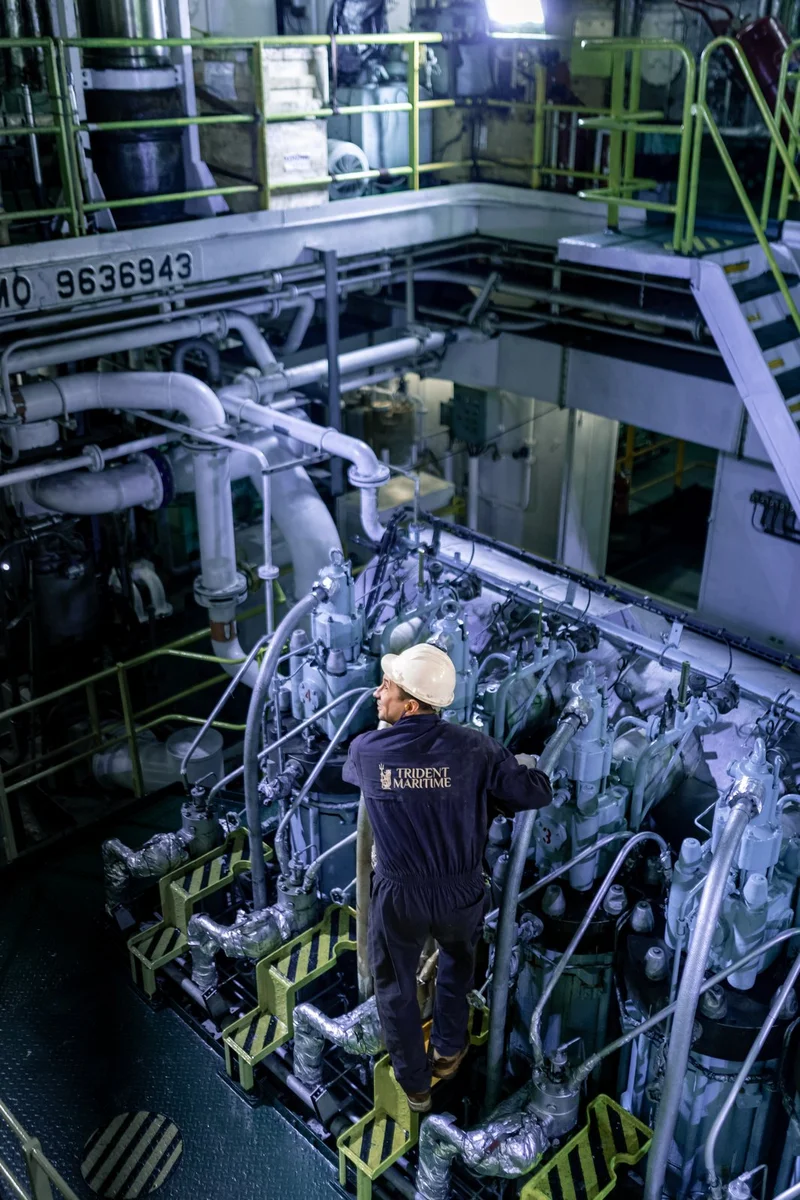
Officers and ratings serving on tankers and gas carriers require specialized training endorsements beyond the basic STCW requirements. Chapter V of the STCW Convention outlines mandatory minimum requirements for the training and qualifications of masters, officers, and ratings on these specialized vessels. These endorsements confirm the crew's theoretical knowledge and practical ability to handle hazardous cargo safely.
Furthermore, major energy charterers enforce strict vetting standards that scrutinize crew experience, retention rates, and operational familiarity. SIRE 2.0 became the mandatory tanker vetting standard on 2 September 2024, replacing VIQ7 (OCIMF, 2024). SIRE 2.0 inspections typically identify 20-30 findings per vessel, versus the 2-4 typical under VIQ7 (industry analysis, 2024), with a heavy new emphasis on human factors.
In our experience supervising pre-vetting preparations, our technical superintendents typically observe that inspectors actively assess the crew's practical understanding of safety management systems rather than just checking document validity. Operators must demonstrate that their Certified crewing strategies directly support continuous onboard familiarization and operational safety.
How does port state control evaluate crew certification?
Port State Control (PSC) serves as the ultimate enforcement mechanism for international maritime regulations, acting as a safety net against substandard shipping. Inspectors rigorously check crew lists, electronic certificates of competency, and minimum safe manning documents during their initial boarding procedures. Paris MoU port state control inspects approximately 17,500 individual ships per year, with a detention rate around 3% (Paris MoU Annual Report, 2024).
Deficiencies related to STCW certification frequently lead to severe operational consequences and commercial losses. Tokyo MoU recorded 1,189 detentions and 77,526 deficiencies across Asia-Pacific port state inspections in 2024 (Tokyo MoU Annual Report 2024). If a vessel is found with an under-qualified officer or an expired medical certificate, it will be detained until a compliant replacement arrives on board.
To avoid PSC findings, operators must maintain transparent, easily accessible digital records of all personnel through robust vessel inspections and internal audits. Consistent Certified crewing practices are essential for maintaining a favorable risk profile in targeted inspection regimes across Europe, Asia, and the Middle East.

What role does the MLC 2006 play alongside STCW requirements?
While the STCW Convention governs technical competence and training, the Maritime Labour Convention 2006 (MLC) dictates the minimum working and living standards for seafarers. The Maritime Labour Convention 2006 (MLC) is in force in countries representing over 97% of world gross shipping tonnage (ILO, 2026). These two frameworks operate in tandem to ensure safe, efficient, and humane shipping operations worldwide.
A critical intersection between STCW and MLC is the strict regulation of work and rest hours to prevent operational fatigue. Fatigue management is a primary focus during both flag state audits and PSC inspections, requiring meticulous digital logging. Operators often engage marine consultancy services to audit their internal work-rest hour software for compliance gaps.
Failure to comply with MLC provisions regarding payroll, repatriation, or welfare can invalidate a vessel's certification, regardless of how technically qualified the crew might be. A holistic Certified crewing approach must seamlessly integrate welfare management, timely wage distribution, and strict fatigue mitigation protocols.
How to audit a crew matrix for STCW compliance?
Maintaining a compliant crew matrix requires systematic auditing procedures prior to any crew change or vessel deployment. Technical managers must verify multiple layers of documentation to satisfy flag state, classification society, and charterer requirements. Implementing a standardized audit process prevents regulatory breaches and operational delays.
- Verify the Minimum Safe Manning Document (MSMD). Ensure the proposed crew composition exactly matches or exceeds the flag state requirements for the specific vessel type and trading area.
- Authenticate Electronic Certificates of Competency (CoC). Use flag state API portals to confirm the validity and rank limitations of every officer's primary certification.
- Validate specialized cargo endorsements. Check that personnel assigned to tankers or gas carriers hold the requisite advanced training certificates under STCW Chapter V.
- Cross-reference STCW and MLC work-rest hours. Review the historical logging data of joining crew members to ensure they are adequately rested before assuming watchkeeping duties.
- Confirm medical fitness validity. Ensure all seafarers hold valid medical certificates issued by approved practitioners, with sufficient validity to cover the intended contract duration.
- Check Flag State Endorsements (FSE). Verify that officers holding CoCs from a country other than the vessel's flag state possess the necessary recognition endorsements.
By following these exact steps, operators ensure their Certified crewing processes remain watertight against external scrutiny. Continuous auditing is the only reliable defense against port state control deficiencies.
How to select a third-party crew manager for strict compliance?
Choosing a reliable crew management partner requires evaluating their internal quality management systems, digital infrastructure, and industry affiliations. Operators should prioritize managers audited by recognized organizations and holding active memberships in bodies like BIMCO. ISO 9001 certification provides a baseline assurance of standardized vetting and recruitment procedures.
A robust manager operating out of recognized maritime hubs like Hamburg, Dubai, Hong Kong, or Singapore will provide transparent access to crew matrices and retention statistics. They must possess specific expertise in the exact vessel types you operate, whether 300,000-DWT VLCCs or geared handysize bulkers. Integrating crewing with technical management often yields the best results for seamless vessel operations.
When evaluating providers, request concrete evidence of their digital verification tools and emergency incident response protocols. A competent third-party manager acts as a proactive operational shield, ensuring Certified crewing translates directly into reduced downtime and enhanced commercial performance.
Related reading
- Ukrainian Seafarers Crew Agency Hiring Guide for 2026
- SIRE 2.0 Inspection in 2026: A Guide for Tanker Operators
- Technical Ship Management in 2026: A Guide for Owners
Frequently Asked Questions about STCW certified crewing
What does Certified crewing involve for tanker operators?
Certified crewing for tanker operators involves verifying advanced training endorsements under STCW Chapter V for oil, chemical, or liquefied gas operations. Operators must ensure officers and ratings possess documented theoretical knowledge and practical firefighting experience. This specialized credentialing is strictly enforced by major energy charterers during vetting processes.
How long does it take to verify electronic certificates of competency?
Verifying electronic certificates of competency takes only seconds using automated API connections to flag state databases in 2026. This digital integration eliminates the days previously spent waiting for manual email confirmations from maritime authorities. Immediate verification significantly accelerates the pre-employment vetting process for urgent crew changes.
Which regulations mandate the use of digital STCW certificates?
Recent STCW amendments (IMO MSC.535(107)) require the implementation of electronic certificates of competency effective from 2025. This regulatory shift mandates that flag states issue digitally verifiable credentials with cryptographic signatures. The transition aims to eradicate document forgery and streamline port state control inspections globally.
How do port state control inspectors check STCW compliance during boarding?
Port state control inspectors begin by cross-referencing the vessel's Minimum Safe Manning Document against the actual onboard crew list. They then verify the electronic certificates of competency, flag state endorsements, and medical certificates for all personnel. Any discrepancy or expired document can result in an immediate vessel detention under Paris or Tokyo MoU regulations.
What is the difference between STCW certification and MLC compliance?
STCW certification governs the technical competence, training, and watchkeeping standards required to safely operate a vessel. MLC compliance, conversely, regulates the seafarer's working conditions, including minimum rest hours, timely payroll, and welfare provisions. Both frameworks are mandatory; technical competence cannot offset violations of seafarer labor rights.
How can operators prepare crew for SIRE 2.0 human factor assessments?
Operators prepare crew for SIRE 2.0 by shifting focus from mere document compliance to continuous onboard familiarization and practical drills. Under SIRE 2.0 (OCIMF, 2024), inspectors actively assess how well the crew understands and applies the safety management system in real-time. Documented evidence of ongoing training and psychological safety is essential for passing these rigorous vetting inspections.
Discuss STCW certified crewing with Trident Maritime
Trident Maritime delivers comprehensive Certified crewing solutions tailored to the strict regulatory demands of bulkers, containerships, and specialized tankers. As a BIMCO member operating out of Odesa, Hamburg, Dubai, and Hong Kong, we maintain ISO 9001, 14001, and 45001 certifications alongside a 24/7 emergency response capability. We manage the full seafarer lifecycle, from digital credential verification to onboard familiarization, ensuring your fleet remains fully compliant and commercially viable.
For a confidential discussion, contact info@trident-maritime.com or visit our contacts page.
Contact Trident Maritime
Need a consultation or proposal? Reach out through any of the channels below - we respond within one business day.
- Phone: +380487373735
- Email: info@trident-maritime.com
- Telegram: @tridentmaritime