Top 10 ship management companies in 2026: Operator Guide
The global ship management market is estimated at USD 3.41 billion in 2025, projected to reach USD 8.24 billion by 2035 (Business Research Insights, 2025). Within this expanding landscape, owners must evaluate whether to partner with mega-managers or specialized mid-size technical operators. For tanker operators, for example, SIRE 2.0 makes agile pre-vetting preparation a core operational competence rather than a mere documentation exercise.
While the top 10 ship management companies control a vast portion of global tonnage, mid-size operators provide specialized technical and crew management for tankers, gas carriers, and bulkers in 2026. Shipowners increasingly seek agile partners capable of navigating SIRE 2.0 compliance, STCW digital certifications, and stringent IMO decarbonization frameworks without the administrative friction of mega-managers.
How do the top 10 ship management companies shape the 2026 market?
The top six ship-management companies generate approximately 80% of industry revenues in their served markets (Drewry / Lloyd's List, 2025). This intense consolidation means the management companies operate thousands of vessels globally, driving economies of scale in procurement and crewing. For instance, OSM Thome - the 2023 merger of OSM Maritime and Thome - operates over 1,000 vessels and employs around 30,000 seafarers (Lloyd's List, 2025).
However, owners of mid-size fleets often seek alternative providers who offer direct access to technical superintendents. The primary focus for 2026 is balancing operational scale with personalized asset protection. Direct communication lines ensure faster response times during critical port state control inspections.
What are the technical compliance standards for mid-size operators?
Technical management requires strict adherence to international regulations, regardless of the managing company's size. The International Association of Classification Societies (IACS) comprises 12 member classification societies covering more than 90% of the world's cargo-carrying tonnage (IACS Annual Review 2025). Bureau Veritas, DNV, ABS, Lloyd's Register, ClassNK, RINA, KR, CCS, IRS, PRS, CRS, and Türk Loydu are the 12 IACS member societies enforcing these standards (IACS, 2025).
Mid-size operators excel in specific niches, implementing ISO 9001, 14001, and 45001 frameworks for specialized fleets. Proactive maintenance schedules managed by dedicated superintendents significantly reduce port state control detentions. For context, the Paris MoU detention rate rose to 4.03% in 2024, up from 3.81% in 2023 (Paris MoU Annual Report 2024).
Furthermore, Tokyo MoU recorded 1,189 detentions and 77,526 deficiencies across Asia-Pacific port state inspections in 2024 (Tokyo MoU Annual Report 2024). This regulatory pressure makes stringent technical oversight a non-negotiable requirement for all operators.
What are average ship management fees and operating costs in 2026?
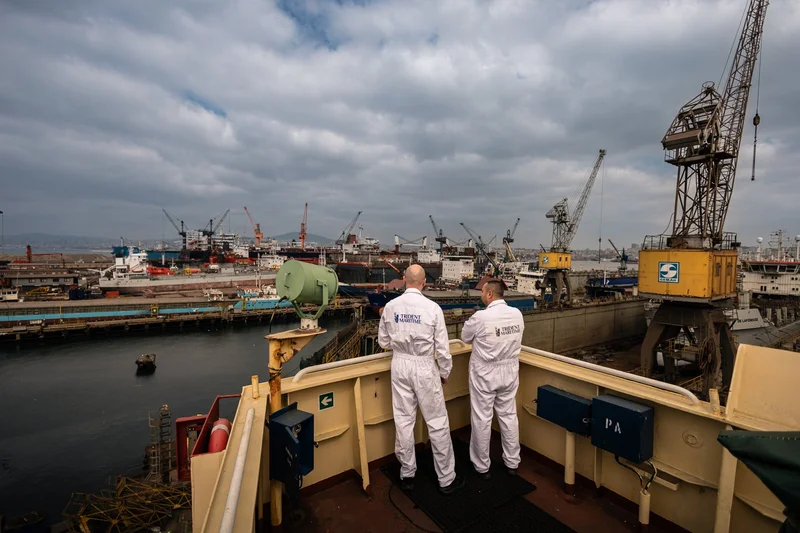
Understanding the cost breakdown of third-party management is critical for asset owners evaluating the top 10 ship management companies against agile mid-size alternatives. Management fees typically range between USD 80,000 and USD 200,000 per vessel annually, depending on vessel complexity, trading area, and flag state requirements.
| Vessel Type | Average Annual Management Fee (USD) | Typical Daily OPEX Budget (USD) | Superintendent Vessel Allocation |
|---|---|---|---|
| Handysize / Ultramax Bulk Carrier | $85,000 - $110,000 | $5,200 - $6,800 | 4 - 6 vessels |
| MR / Aframax Product Tanker | $115,000 - $150,000 | $7,500 - $9,800 | 3 - 5 vessels |
| LPG / LNG Carrier | $160,000 - $210,000 | $11,000 - $15,500 | 2 - 4 vessels |
While mega-managers may offer lower baseline management fees due to global volume discounts, hidden friction costs - such as delayed port turnarounds or off-hire days caused by inadequate superintendent oversight - can offset those savings. Flexible operators emphasize fixed-fee technical packages that include routine superintendent visits, reducing budget variance for owners.
How does crew management scale beyond the largest providers?
Sourcing and retaining qualified crew remains a universal challenge across the maritime sector. The IMO STCW Convention sets the certification standards for an estimated 2.57 million STCW-certified seafarers available to a world merchant fleet of 85,148 ships (BIMCO/ICS Seafarer Workforce Report 2026). While massive firms rely on sheer volume, specialized crew management agencies focus on high-retention pools and rigorous STCW compliance.
The Maritime Labour Convention 2006 (MLC) is in force in countries representing 96.6% of world gross shipping tonnage (ILO, 2026). STCW amendments in force since 1 January 2025 allow certificates of competency to be held in electronic form (IMO resolutions MSC.540(107) and MSC.541(107)), accelerating the digital transformation of crew administration. Mid-size managers often integrate these digital tools faster, providing transparent payroll and credential tracking directly to shipowners.
Step-by-step process: How to transition your fleet to a technical manager
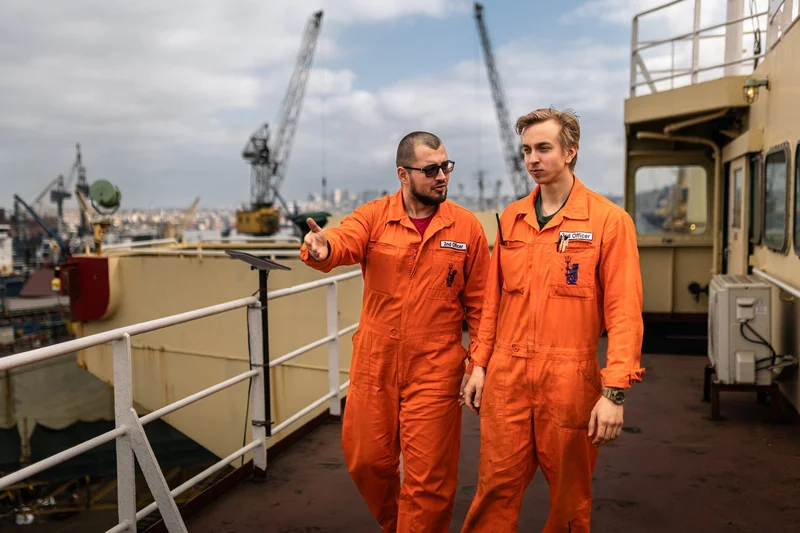
Switching managers or transferring newbuild tonnage requires a structured transition timeline to ensure uninterrupted operational safety and regulatory compliance.
- Pre-Takeover Technical Audit: A senior marine surveyor performs a comprehensive physical inspection of the hull, machinery, and statutory records to establish a baseline condition report.
- SMS & Flag State Alignment: The manager integrates the vessel into its Safety Management System (SMS) and obtains Document of Compliance (DOC) approvals from the relevant flag administration.
- Crewing Transition & Matrix Compliance: Seafarer credentials are audited against STCW and charterer matrix requirements, ensuring seamless handovers without loss of sailing days.
- Procurement & Spares Integration: Onboard inventory is cataloged into the technical management software, establishing direct supply lines for critical spare parts and lubrication oils.
- Vetting & Class Restoration: Pre-vetting inspections (SIRE 2.0 or RightShip RISQ) are conducted within the first 30 days to clear any outstanding findings and secure charterer approvals.
Why do fleet managers choose alternative providers for vessel inspections?
Vessel vetting has become highly digitized and risk-based, demanding intensive preparation. SIRE 2.0 became the mandatory tanker vetting standard on 2 September 2024, replacing VIQ7 (OCIMF, 2024).
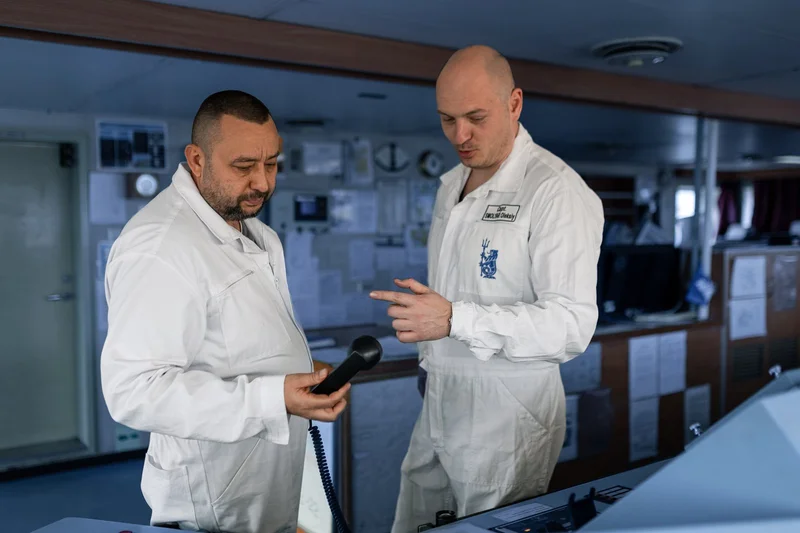
Mid-size management firms often dedicate senior master mariners to SIRE 2.0 inspection preparation, ensuring that ship staff are practically prepared for the human-element focus. Over 90% of tanker operators use OCIMF TMSA-3 to assess their safety management systems (OCIMF, 2024).
"Pre-vetting preparation under SIRE 2.0 requires hands-on mentoring of the crew, not just checklist verification. Our technical superintendents focus on the human element to ensure compliance during critical vetting scenarios."
- Capt. Oleksiy Smolyar, Master Mariner, DPA, CEO Trident Maritime
Common mistakes shipowners make when choosing ship management companies
Selecting a manager based purely on fleet size or brand name can lead to operational bottlenecks. Shipowners frequently encounter three major pitfalls during provider selection:
- Overlooking Superintendent Ratios: In large management firms, a technical superintendent may oversee 12 to 16 vessels, leaving minimal time for onboard mentoring. Mid-size managers maintain ratios of 3 to 5 vessels per superintendent, ensuring frequent onboard inspections.
- Treating Vetting as a Paperwork Exercise: Relying solely on standardized checklists under SIRE 2.0 leads to elevated findings. Real-world results show that hands-on crew mentoring reduces average inspection deficiencies from 22 down to fewer than 4.
- Ignoring Hidden Off-Hire Costs: A lower management fee can prove costly if slow procurement or delayed class surveys lead to 3 extra off-hire days per year, costing $60,000+ in lost charter revenue.
For example, a chemical tanker owner transferring two MR vessels from a mega-manager to a specialized mid-size operator reduced annual off-hire by 6 days per vessel, generating an additional $156,000 in net revenue despite paying a slightly higher dedicated technical fee.
What is the financial outlook for third-party ship management?
Fleet owners are increasingly outsourcing technical and commercial management to optimize operating expenses. The third-party ship management segment is projected to grow at approximately 9% CAGR through 2035 (Business Research Insights, 2025). RightShip's Inspection Ship Vetting (RISQ) framework is the dominant dry-cargo counterpart to OCIMF's SIRE 2.0 for tanker vetting; both are required for chartering with major energy and bulk shippers (RightShip, 2024).
The IMO 2023 GHG Strategy targets net-zero greenhouse gas emissions from international shipping by or around 2050. The IMO Net-Zero Framework designed to deliver it, a global fuel standard combined with GHG emissions pricing, was approved in draft at MEPC 83 in April 2025, but its adoption was postponed in October 2025 and, as of November 2026, it has not been adopted (IMO). Achieving these decarbonization targets requires substantial capital investment, prompting owners to partner with managers who navigate environmental compliance efficiently. Mid-size operators often provide tailored retrofit strategies rather than generic fleet-wide mandates.
How to choose between mega-managers and mid-size marine services?
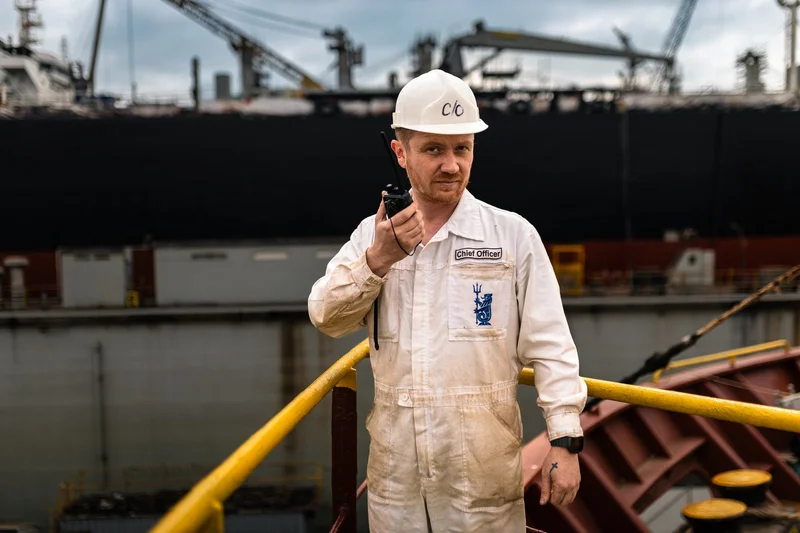
Comparing the management companies against mid-size firms involves evaluating fleet scope, vessel type, and operational priorities. BIMCO, INTERTANKO, INTERCARGO, ICS, and InterManager are the principal global trade associations representing shipowners and ship managers in these decisions. Mid-size operators often provide a higher superintendent-to-vessel ratio, ensuring more onboard attendance days per year.
| Criteria | management companies | Mid-Size Alternative Providers |
|---|---|---|
| Fleet Scale | 500+ vessels | 10 - 150 vessels |
| Superintendent Ratio | Higher number of vessels per technical superintendent | Lower ratio, allowing more days onboard per vessel |
| Communication | Standardized portals and tiered support desks | Direct access to senior management and DPA |
| Vetting Prep | Standardized digital training modules | Bespoke, on-board mentoring for SIRE 2.0 and RightShip |
Ultimately, the choice depends on whether an owner prioritizes absolute scale or bespoke asset management.
Frequently Asked Questions (FAQ)
What services do the top 10 ship management companies provide?
They provide comprehensive technical, crew, and commercial management globally. However, mid-size providers offer the same core services with a specialized focus on specific vessel types, ensuring strict compliance with frameworks like SIRE 2.0 and RightShip RISQ.
What does an MLC audit cover for crew management?
The Maritime Labour Convention 2006 audit verifies seafarer employment agreements, wage payments, rest hours, and onboard living conditions. It safeguards crew welfare in States representing 96.6% of world gross shipping tonnage (ILO, 2026).
How long does a pre-purchase vessel inspection take?
A comprehensive pre-purchase condition survey typically takes 2 to 3 days onboard, depending on vessel size and class requirements. It includes a detailed review of hull, machinery, and statutory documentation by qualified marine surveyors.
Why use third-party technical management in 2026?
Outsourcing technical management helps owners control OPEX while ensuring compliance with complex environmental frameworks like the IMO 2023 GHG Strategy and TMSA-3. Pricing is by arrangement and depends on vessel type, flag, and trading area.
Discuss fleet management strategies with Trident Maritime
Trident Maritime is a BIMCO member and ISO 9001, 14001, and 45001 certified marine services provider. Headquartered in Odesa with offices in Hamburg, Dubai, and Hong Kong, we deliver technical and crew management for tankers, gas carriers, and bulkers. With a dedicated team of 38 professionals, our managed fleet of 9 vessels includes oil, chemical, LPG, and LNG tankers, all fully MLC compliant and SIRE 2.0 ready under BV, DNV, Lloyd's, ABS, ClassNK, and RINA classifications.
For a confidential discussion, contact info@trident-maritime.com or visit our contacts page.
Contact Trident Maritime
Need a consultation or proposal? Reach out through any of the channels below - we respond within one business day.
- Phone: +380487373735
- Email: info@trident-maritime.com
- Telegram: @tridentmaritime