Vessel Condition Survey Checklist in 2026: A Guide
- What is a Vessel Condition Survey?
- The Core Components of a Vessel Condition Survey Checklist
- How is the Survey Process Conducted Step-by-Step?
- Comparing Survey Types: Pre-Purchase vs. On/Off-Hire
- Common Deficiencies and High-Risk Areas to Monitor
- The Surveyor’s Role: Beyond the Checklist
- Discuss Your Vessel Survey Needs with Trident Maritime
- Contact Trident Maritime
A vessel condition survey is a detailed inspection assessing an asset's physical state for commercial or insurance purposes, distinct from statutory class surveys. The checklist covers hull, machinery, safety systems, and documentation to identify operational risks and potential liabilities. A thorough survey is essential for pre-purchase due diligence, on/off-hire agreements, and P&I Club entry, mitigating risks highlighted by port state control data showing thousands of annual detentions.
What is a Vessel Condition Survey?
A vessel condition survey is a comprehensive, non-invasive inspection that provides a detailed 'snapshot' of a ship's physical state at a specific point in time. Unlike a statutory or class survey, which verifies compliance with a set of construction and equipment rules, a condition survey is primarily a tool for commercial risk assessment. It is commissioned by stakeholders such as prospective buyers, charterers, P&I clubs, or hull and machinery (H&M) underwriters to inform their financial decisions.
The survey's scope is tailored to its purpose, whether for pre-purchase due diligence, establishing condition for an on-hire or off-hire agreement, or for P&I Club entry. The resulting report identifies existing or potential deficiencies, assesses the general maintenance standard, and verifies the vessel's operational readiness. This process is a key part of due diligence in commercial management and asset acquisition, providing an objective basis for valuation and negotiation.
According to the Paris MoU's 2024 annual report, over 4% of inspected vessels were detained due to serious deficiencies, underscoring the financial and operational risks of unaddressed maintenance issues. A meticulous condition survey identifies these latent risks before they escalate into costly repairs, off-hire periods, or port state control detentions. The survey report serves as a crucial piece of evidence for the asset's material condition, independent of its certification status.
The Core Components of a Vessel Condition Survey Checklist
A robust vessel condition survey checklist is systematically structured to ensure no critical area is overlooked. While the specifics vary by vessel type (e.g., tanker vs. bulker), the fundamental categories remain consistent across the industry. Our surveyors structure their assessments around these core pillars to deliver a comprehensive evaluation.
The primary areas of inspection include:
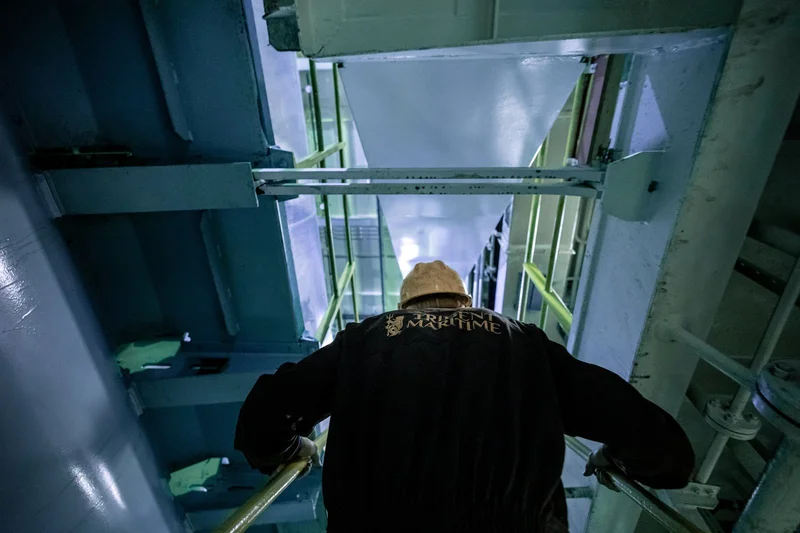
- Hull and Structure: This covers the visual inspection of the hull plating, main deck, superstructure, and internal structures like frames and bulkheads for signs of corrosion, deformation, or cracking. For bulk carriers, hatch covers and coamings are critical, while for tankers, the condition of cargo tank coatings and heating coils is paramount. Ballast tank condition, including coating integrity and anode wastage, is a universal focus area.
- Machinery and Engine Room: The survey assesses the main and auxiliary engines, generators, boilers, purifiers, and steering gear. This involves reviewing running hours, maintenance records from the Planned Maintenance System (PMS), and observing machinery in operation where possible. The general condition of engine room bilges, pipework, and electrical systems provides insight into the crew's maintenance culture.
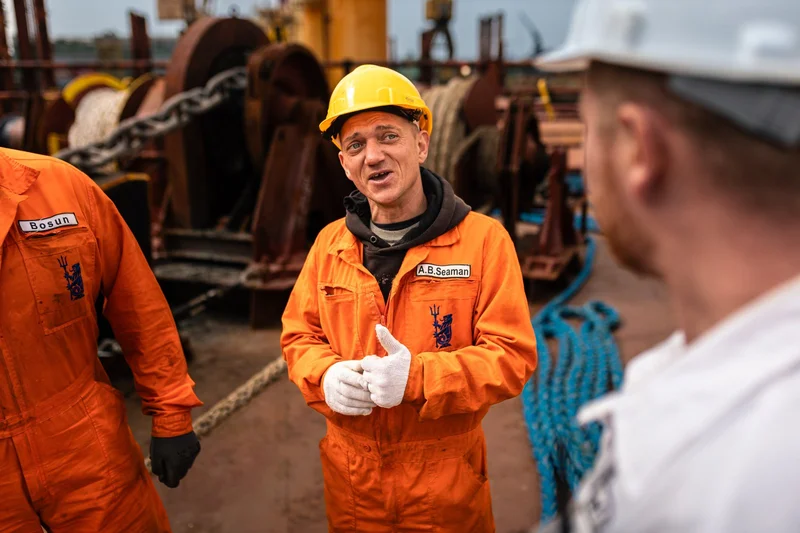
- Deck and Cargo Systems: Inspection includes mooring equipment (winches, wires, ropes), anchoring gear, and cargo-handling equipment like cranes or pumps. For tankers, the integrity of cargo piping, valves, and the inert gas system is vital. For container vessels, lashing equipment and reefer points are checked.
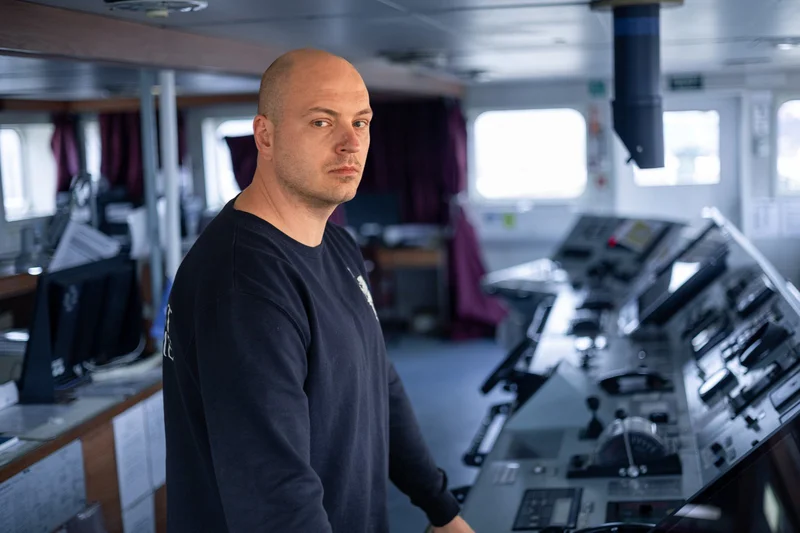
- Navigation and Bridge Equipment: The surveyor verifies the operational status of key navigational instruments, including radars, ECDIS, gyrocompass, and GMDSS equipment. Logbooks and records, such as the compass error book, are reviewed for proper entries.
- Safety and Lifesaving Appliances (LSA/FFA): This section verifies compliance with SOLAS requirements. It includes inspecting lifeboats, rescue boats, davits, life rafts, fire-fighting systems (fixed and portable), and personal protective equipment. Service records for all safety equipment are meticulously checked.
- Statutory Documentation: The surveyor reviews all trading certificates to ensure they are valid and endorsed. This includes the Certificate of Class, Safety Management Certificate (SMC), International Ship Security Certificate (ISSC), and MARPOL-related certificates.
A thorough checklist ensures the survey is both methodical and exhaustive, forming the basis of a reliable report for stakeholders.
How is the Survey Process Conducted Step-by-Step?
Executing a vessel condition survey follows a structured methodology to ensure consistency and completeness. The process, managed by an experienced marine surveyor, can be broken down into five distinct phases from planning to final reporting. This systematic approach guarantees that all client requirements are met and the findings are accurately documented.
The typical survey process unfolds as follows:
- Phase 1: Pre-Survey Preparation. Before boarding, the surveyor requests and reviews key vessel documents. This includes general arrangement plans, capacity plans, classification records, recent survey reports, and an overview of the PMS. This desk-based review allows the surveyor to identify potential areas of concern and plan the onboard inspection efficiently.
- Phase 2: Onboard Inspection. This is the core of the survey, typically lasting one to three days. The surveyor conducts a systematic visual inspection of all accessible areas of the vessel, from ballast tanks and cargo holds to the engine room and bridge, following a detailed checklist. Where safe and permitted by the vessel's operational schedule, key equipment is tested.
- Phase 3: Operational Testing. The surveyor will request the crew to demonstrate the functionality of critical systems. This may include starting the emergency generator, testing the steering gear from all control positions, operating deck cranes, and testing bilge alarms. These tests provide practical evidence of the equipment's condition beyond a visual check.
- Phase 4: Documentation and Certificate Audit. While onboard, the surveyor performs a thorough audit of all statutory and class certificates, logbooks, and maintenance records. This verifies that the vessel's paperwork is in order and that maintenance aligns with ISM Code requirements and manufacturer recommendations, a process central to effective technical management.
- Phase 5: Reporting. After disembarking, the surveyor compiles all findings, including photographic evidence, into a comprehensive report. The report details the vessel's overall condition, lists all identified deficiencies with recommended corrective actions, and provides an executive summary for decision-makers.
This structured process ensures that the final report is an objective and reliable assessment of the vessel's condition.
Comparing Survey Types: Pre-Purchase vs. On/Off-Hire
While all condition surveys assess a vessel's state, their focus, depth, and commercial purpose differ significantly. The two most common types are the Pre-Purchase Inspection (PPI) and the On/Off-Hire Survey. Understanding their distinctions is crucial for commissioning the correct type of marine consultancy service.
The table below outlines the key differences:
| Criterion | Pre-Purchase Inspection (PPI) | On/Off-Hire Survey |
|---|---|---|
| Primary Goal | To identify all potential risks and liabilities for a prospective buyer before acquisition. | To record the vessel's condition and bunker quantities at the start or end of a charter period. |
| Scope & Depth | Exhaustive and intrusive. Covers all accessible areas, including detailed inspection of structures, machinery, and records. May include opening void spaces. | Focused on cargo-related areas (holds, tanks, hatches) and general condition. Less intrusive than a PPI. Includes a detailed bunker survey. |
| Report User | Prospective Buyer / Financial Institution. | Shipowner and Charterer. |
| Commercial Impact | Informs the final purchase price, negotiation of contract terms, or the decision to proceed with the transaction. Identifies potential capital expenditure. | Forms the basis for claims related to damage sustained during the charter period or discrepancies in bunker quantities. Protects parties against pre-existing damages. |
| Typical Duration | 2-4 days, depending on vessel size and complexity. | 1 day, often conducted concurrently with bunkering operations. |
A PPI is a deep dive into the asset's long-term viability, whereas an on/off-hire survey is a contractual benchmark for a specific charter party.
Common Deficiencies and High-Risk Areas to Monitor
Experienced surveyors develop a keen sense for high-risk areas where deficiencies are most frequently found. These are often the same areas targeted by Port State Control Officers (PSCOs), and addressing them proactively can prevent costly detentions. Data from bodies like the Tokyo MoU consistently show that deficiencies related to safety, pollution prevention, and structural integrity are most common.
Our superintendents consistently observe recurring issues in several key areas:
- Ballast and Void Spaces: Coating breakdown, heavy corrosion, and wasted anodes in ballast tanks are frequent findings. These spaces are often difficult to access and inspect, making them a common area of neglect that can lead to major steel renewals.
- Hatch Covers (Bulk Carriers): Leaky hatch cover seals are a primary cause of cargo damage claims. Surveyors pay close attention to the condition of rubber gaskets, compression bars, and drainage channels, often conducting hose or ultrasonic tests to verify weathertightness.
- Safety and Emergency Systems: Deficiencies in life-saving and fire-fighting appliances are among the top reasons for PSC detentions. Common issues include expired pyrotechnics, inoperable lifeboat engines, corroded fire lines, and poorly maintained emergency equipment records.
- Engine Room Pipework: Corroded or temporarily repaired pipes for seawater, fuel, and bilge systems pose a significant operational risk. A surveyor will trace critical lines to identify soft patches, heavy corrosion, or leaks that may not be immediately obvious.
- ISM Code Documentation: Incomplete or 'pencil-whipped' records, particularly for critical maintenance tasks or safety drills, are a major red flag. This indicates a poor safety culture onboard and is scrutinized heavily by both surveyors and authorities.
Focusing on these high-risk areas during routine maintenance and internal audits can significantly improve a vessel's condition and reduce the likelihood of negative findings during external inspections.
The Surveyor’s Role: Beyond the Checklist
While the checklist provides structure, the true value of a condition survey lies in the experience and judgment of the surveyor. An effective inspection goes beyond a simple tick-box exercise to interpret findings within a broader operational and commercial context. The surveyor acts as the eyes and ears of the principal, providing insights that cannot be captured on a form.
"A checklist is a guide, not a substitute for an experienced surveyor's intuition. The most critical findings are often in areas not explicitly listed—the 'feel' of the machinery, the culture of the crew, the quality of the records. This is where true due diligence lies and where our team adds significant value."
— Capt. Oleksiy Smolyar, CEO / Director, Trident Maritime
An experienced surveyor, often a former Master or Chief Engineer, can identify subtle signs of systemic issues. For example, a clean engine room with poorly kept records might suggest a focus on aesthetics over substantive maintenance. Conversely, a well-documented PMS on a visually worn vessel could indicate diligent management of an aging asset. These nuanced observations are critical for a comprehensive risk assessment.
Ultimately, the surveyor’s role is to synthesize thousands of data points into a clear, actionable report that enables the client to make an informed commercial decision. This requires not only technical expertise but also an understanding of international maritime regulations, such as those set by the International Maritime Organization, and the commercial pressures of the shipping market. The final report is more than a list of defects; it is a professional opinion on the asset's overall quality and operational integrity.
Related Reading
- Maritime Technical Services in 2026: A Complete Guide
- Marine Engineering Consultancy & Services for 2026
- TMSA 3 Consultancy in 2026: The 13 Elements Explained
Discuss Your Vessel Survey Needs with Trident Maritime
A comprehensive condition survey is an indispensable tool for risk management in vessel acquisition, chartering, and insurance. As a BIMCO member with ISO 9001, 14001, and 45001 certifications, Trident Maritime provides meticulous and objective vessel inspections for tankers, gas carriers, containerships, and bulkers. Our team of experienced surveyors operates from our offices in Odesa, Hamburg, Dubai, and Hong Kong to deliver clear, actionable reports that support your commercial decisions.
Our services are tailored to meet the specific requirements of each client, whether for a pre-purchase inspection, an on-hire/off-hire survey, or a P&I club entry assessment. We provide the detailed insights you need to understand an asset's true condition and potential liabilities. For a confidential discussion about your inspection requirements, contact info@trident-maritime.com or visit our contacts page.
Frequently Asked Questions (FAQ)
How long does a typical vessel condition survey take?
A typical condition survey takes between one and three days to complete onboard. The exact duration depends on the vessel's size, type, and complexity, as well as its operational schedule and accessibility of spaces like ballast tanks. For example, a Handysize bulker might take one full day, while a comprehensive pre-purchase inspection on a VLCC could require three to four days to cover all machinery, structural, and documentation aspects thoroughly.
What is the difference between a class survey and a condition survey?
A class survey's purpose is to verify that a vessel continues to meet the technical rules of its classification society, such as DNV or Lloyd's Register, ensuring it remains 'in class'. A condition survey, however, is conducted for a commercial purpose, such as a sale or charter. It assesses the vessel's overall maintenance standard, operational readiness, and potential financial risks for the commissioning party, providing a much broader and more commercially focused assessment than a class survey.
Who typically pays for a vessel condition survey?
The party that commissions the survey is responsible for the cost. For a pre-purchase inspection, the prospective buyer pays. For on-hire or off-hire surveys, the cost is often shared between the owner and the charterer as stipulated in the charter party agreement. P&I Clubs or H&M underwriters will pay for surveys they require as a condition of entry or for insurance valuation purposes. Pricing is by arrangement and depends on the vessel and scope.
Can a vessel 'fail' a condition survey?
A condition survey does not result in a 'pass' or 'fail' grade. Instead, it produces a detailed report that lists all observed deficiencies, provides photographic evidence, and offers an objective assessment of the vessel's overall state. It is up to the client—the buyer, charterer, or insurer—to review the findings and decide whether the vessel's condition is acceptable for their commercial purposes or if the identified issues warrant further negotiation or corrective action.
What key documents are required for the surveyor to review?
The surveyor requires access to a comprehensive set of documents to conduct a thorough assessment. This includes all current statutory and classification certificates, the Continuous Synopsis Record (CSR), recent Port State Control and class survey reports, and the vessel's Planned Maintenance System (PMS) records. Additionally, key technical documents like the General Arrangement Plan, Capacity Plan, and the latest dry-docking report are essential for a complete evaluation.
How does a condition survey relate to Port State Control (PSC) inspections?
A proactive condition survey is a vital tool for preparing for Port State Control inspections. By identifying and rectifying potential deficiencies before a vessel arrives in port, owners can significantly reduce the risk of a PSC detention. The survey checklist often mirrors the high-risk areas targeted by PSC officers, such as fire safety, lifesaving appliances, and MARPOL compliance, making it an effective gap analysis and risk mitigation measure.
Contact Trident Maritime
Need a consultation or proposal? Reach out through any of the channels below — we respond within one business day.
- Phone: +380487373735
- Email: info@trident-maritime.com