Maritime transportation in 2026: A Technical Guide
Modern maritime transportation in 2026 requires continuous adherence to IMO net-zero emission targets, digital STCW certification, and SIRE 2.0 vetting standards across global trade routes. Third-party ship managers deliver technical oversight, class compliance, and 24/7 emergency response to protect commercial asset value and minimize off-hire risks. Contact Trident Maritime today to request a tailored fleet management proposal.
- What is maritime transportation in 2026?
- How does regulatory compliance shape fleet operations?
- Which vessel types dominate the cargo sector?
- What are the key stages in vessel technical management?
- How do vetting programs impact commercial viability?
- How to select a third-party ship manager?
- What are the common operational pitfalls to avoid?
- Related reading
- Discuss maritime transportation with Trident Maritime
Optimizing these global supply chains requires deep technical expertise and continuous alignment with international conventions.
What is maritime transportation in 2026?
The sector handles the vast majority of global trade, relying on specialized cargo vessels to move commodities efficiently. Modern maritime transportation operates under strict international frameworks governing safety, labor, and environmental impact. For example, the Maritime Labour Convention 2006 (MLC) is in force in countries representing over 97% of world gross shipping tonnage (ILO, 2026).
Operators delegate daily oversight to specialized firms offering comprehensive services. This ensures vessels remain compliant with flag state and classification society requirements. Effective operations minimize downtime and protect asset value over the vessel's lifecycle.
The global ship management market is estimated at USD 3.41 billion in 2025, projected to reach USD 8.24 billion by 2035 (Business Research Insights, 2025). This growth reflects the increasing complexity of maritime transportation logistics. Owners require specialized technical teams to navigate these evolving demands.
How does regulatory compliance shape fleet operations?
Compliance is no longer a periodic documentation exercise but a continuous operational baseline. The International Maritime Organization (IMO) sets the primary standards for safety and pollution prevention. Ships must maintain active certification under SOLAS, MARPOL, and the ISM Code to trade internationally.
Crew certification has also evolved significantly in recent years. Recent STCW amendments require electronic certificates of competency effective from 2025 (IMO MSC.535(107)). Fleet managers must integrate these digital credentials into their crew management systems to prevent port state control delays.
Environmental regulations now dictate core strategic decisions for vessel operators. Achieving net-zero emission targets requires continuous energy efficiency monitoring and proactive hull maintenance. Failure to maintain compliance directly restricts a vessel's trading capabilities.
Which vessel types dominate the cargo sector?
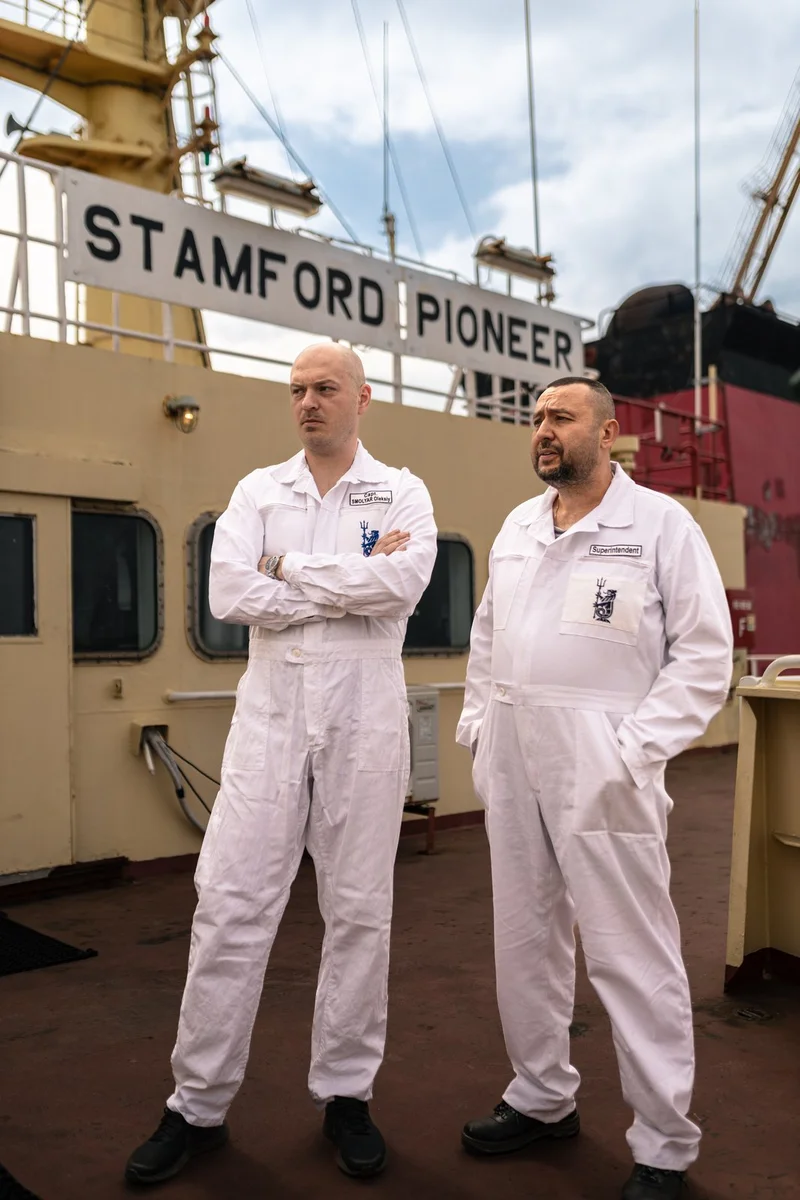
The commercial fleet is segmented into specialized asset classes, primarily tankers, gas carriers, bulkers, and containerships. Each category requires distinct technical expertise, from hazardous cargo handling to structural stress monitoring. The IACS comprises 12 member classification societies covering more than 90% of the world's cargo-carrying tonnage (IACS Annual Review 2025).
| Vessel Type | Primary Cargo | Key Operational Focus |
|---|---|---|
| Tankers (Chemical/Oil) | Liquid bulk, hazardous materials | SIRE 2.0 vetting, inert gas systems, pump maintenance |
| Gas Carriers (LNG/LPG) | Liquefied natural/petroleum gas | Cryogenic containment, boil-off gas management |
| Bulk Carriers | Dry bulk (grain, coal, ore) | RightShip RISQ, hatch cover integrity, hold cleaning |
| Containerships | Standardized TEU containers | Lashing gear inspections, schedule reliability, reefer capacity |
Managing these diverse assets requires tailored planned maintenance systems (PMS). Technical superintendents must align maintenance schedules with the vessel's specific trading patterns. This proactive approach prevents critical machinery failures during ocean transits.
What are the key stages in vessel technical management?
Maintaining a commercial vessel involves a structured lifecycle approach executed by technical superintendents. This process ensures the ship remains seaworthy, compliant, and commercially viable.
- Vessel Takeover: Initial condition surveys, class record reviews, and integration into the manager's Safety Management System (SMS).
- Planned Maintenance: Execution of OEM-recommended service intervals for main engines, auxiliary machinery, and deck equipment.
- Procurement: Sourcing OEM spares, lubricants, and stores through audited global supply chains.
- Dry Docking: Planning and executing mandatory bottom surveys, hull coating applications, and major overhauls twice every five years.
- Performance Monitoring: Tracking fuel consumption and emissions to ensure compliance with the Carbon Intensity Indicator (CII).
Shipowners often rely on external marine consultancy to audit these processes and verify technical performance. Independent audits highlight potential deficiencies before they result in official detentions. Continuous improvement remains the foundation of effective maritime transportation.
How do vetting programs impact commercial viability?
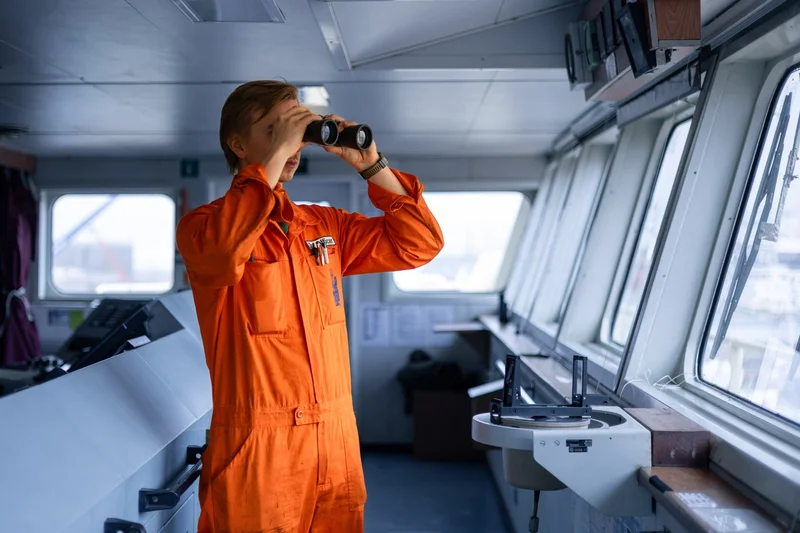
For tanker operators, passing rigorous vetting inspections is a prerequisite for securing charters with major energy companies. The Oil Companies International Marine Forum (OCIMF) establishes the standards for these assessments. SIRE 2.0 became the mandatory tanker vetting standard on 2 September 2024, replacing VIQ7 (OCIMF, 2024).
The new regime demands a proactive approach to safety culture and human factors. SIRE 2.0 inspections typically identify 20-30 findings per vessel, versus the 2-4 typical under VIQ7 (industry analysis, 2024). Preparing for these inspections requires continuous crew training and flawless documentation.
RightShip's Inspection Ship Vetting (RISQ) framework is the dominant dry-cargo counterpart to OCIMF's SIRE 2.0 for tanker vetting; both are required for chartering with major energy and bulk shippers (RightShip, 2024). Failing these assessments directly impacts the vessel's earning potential. Managers must conduct rigorous pre-vetting inspections to guarantee compliance.
How to select a third-party ship manager?
Outsourcing fleet operations allows owners to scale their capacity without inflating shore-based overhead. The top six ship-management companies generate approximately 80% of industry revenues in their served markets (Drewry / Lloyd's List, 2025). Selecting the right partner involves rigorous due diligence.
Owners should verify the manager's Document of Compliance (DOC) for the specific vessel types and flag states involved. Robust managers hold ISO 9001, 14001, and 45001 certifications, demonstrating mature quality and safety systems. Commercial management capabilities can also provide integrated chartering and post-fixture support.
A transparent reporting structure is equally critical for long-term partnerships. Owners need real-time access to operational expenditure (OPEX) data and technical performance metrics. This transparency ensures alignment between the manager's actions and the owner's strategic goals.
What are the common operational pitfalls to avoid?
Lapses in maintenance or documentation quickly lead to Port State Control (PSC) detentions, resulting in off-hire periods and reputational damage. The Paris MoU detention rate rose to 4.03% in 2024, up from 3.81% in 2023 (Paris MoU Annual Report 2024). Deficiencies often center on fire safety systems, life-saving appliances, and hours of rest violations.
Another critical pitfall is neglecting the integration of maritime security protocols. Over 90% of tanker operators use OCIMF TMSA-3 to assess their safety management systems (OCIMF, 2024). Ensuring all 13 elements, including maritime security, are actively managed prevents critical audit failures.
Finally, poor crew retention directly impacts onboard safety and operational continuity. High turnover rates disrupt the familiarization process required for complex machinery operations. Competitive employment terms and robust welfare programs mitigate this risk effectively.
Related reading
Expand your knowledge on fleet operations and regulatory compliance with our specialized guides.
- Technical Ship Management in 2026: A Guide for Owners
- Vessel Condition Survey Checklist in 2026: A Guide
- TMSA 3 Consultancy in 2026: The 13 Elements Explained
- Marine Engineering Consultancy & Services for 2026
Discuss maritime transportation with Trident Maritime
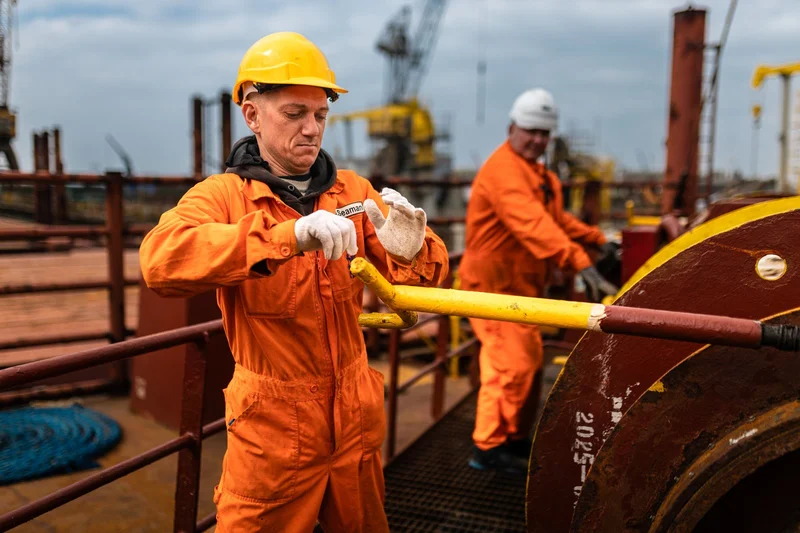
Trident Maritime provides comprehensive technical and commercial oversight for tankers, gas carriers, and bulkers worldwide. As a BIMCO member with ISO 9001, 14001, and 45001 certifications, we operate a 24/7 emergency response network from our offices in Odesa, Hamburg, Dubai, and Hong Kong. Our specialized teams ensure your fleet remains compliant, efficient, and commercially competitive in 2026.
Pricing is by arrangement and depends on vessel type, flag, trading area, and contract scope. For a confidential discussion regarding your maritime transportation needs, contact info@trident-maritime.com or visit our contacts page.
Frequently Asked Questions (FAQ)
What is maritime transportation in 2026?
Maritime transportation is the commercial movement of cargo via specialized vessels across international waters. In 2026, it is governed by strict IMO emission targets, digital certification requirements, and rigorous class compliance frameworks.
How long does a pre-purchase vessel inspection take?
A comprehensive pre-purchase inspection typically takes two to three days, depending on the vessel's size and accessibility. Surveyors assess hull integrity, machinery condition, and class records to evaluate the asset's commercial viability.
What does a SIRE 2.0 inspection cover?
SIRE 2.0 inspections evaluate a tanker's physical condition, safety management systems, and human factors. Introduced in 2024, this OCIMF vetting framework requires digital documentation and proactive risk assessments from the crew.
Which flag states accept electronic Certificates of Competency (CoCs)?
Following recent STCW amendments, most major registries, including Panama, Liberia, and the Marshall Islands, accept electronic CoCs. Fleet managers must verify flag state circulars to ensure compliance during crew deployment.
How are maritime transportation management fees calculated?
Pricing is by arrangement and depends on vessel type, flag, trading area, and contract scope. Owners typically pay a fixed monthly management fee covering technical oversight, crew administration, and procurement support.
What is the role of a Designated Person Ashore (DPA)?
The DPA ensures the safe operation of the vessel and provides a direct link between the ship's command and the highest level of company management. This role is a mandatory requirement under the IMO's International Safety Management (ISM) Code.
Contact Trident Maritime
Need a consultation or proposal? Reach out through any of the channels below - we respond within one business day.
- Phone: +380487373735
- Email: info@trident-maritime.com