Methanol Fuelled Vessel Management in 2026: A Guide
- What are the Core Regulatory Frameworks for Methanol Fuel?
- How Does Methanol Impact Engine Room Operations and Maintenance?
- What Are the New Crew Competencies and STCW Requirements?
- What is the Critical Role of the Safety Management System (SMS) in Methanol Fuelled Vessel Management?
- How Do Methanol Bunkering Procedures Compare to Conventional Fuels?
- How Do Class and Flag States Approach Methanol-Fuelled Vessels?
- How Can You Discuss Methanol Fuelled Vessel Management with Trident Maritime?
- How to Contact Trident Maritime?
Methanol fuelled vessel management in 2026 centres on compliance with the IMO's IGF Code, requiring significant updates to the Safety Management System (SMS), new crew competencies under STCW, and specialised bunkering protocols. Key challenges include managing methanol's toxicity, low flashpoint, and ensuring material compatibility in fuel systems. Effective management hinges on rigorous risk assessments and specialised training for both shore-based and onboard personnel.
With over 200 methanol-capable vessels on order for delivery through 2026, the maritime industry is navigating a steep learning curve in adopting this alternative fuel. While it offers a viable pathway to meet the IMO's 2030 emissions reduction targets, its operational integration demands a proactive and technically proficient approach. The transition impacts everything from engine maintenance schedules to emergency response drills.
What are the Core Regulatory Frameworks for Methanol Fuel?
The primary regulatory instrument governing methanol as a marine fuel is the International Maritime Organization's (IMO) International Code of Safety for Ships using Gases or other Low-flashpoint Fuels (IGF Code). Initially focused on LNG, its scope has been expanded to include other low-flashpoint fuels like methanol. The code sets mandatory provisions for the arrangement, installation, control, and monitoring of machinery, equipment, and systems using these fuels to minimise risk to the ship, its crew, and the environment.
Compliance involves amendments to SOLAS and MARPOL conventions. Ship designs must incorporate specific safety features such as double-walled fuel piping, advanced leak detection systems, and dedicated ventilation. The IGF Code's requirements influence everything from tank location to the materials used in the fuel supply system to prevent corrosion and ensure integrity.
Classification Societies, as members of IACS, translate these regulations into technical rules and survey requirements. For example, societies like DNV and ABS have published specific guidelines and class notations (e.g., 'Gas Fuelled Methanol') that provide a clear framework for design approval, construction, and operational surveys. These rules ensure a consistent safety standard across the global fleet, forming the bedrock of secure methanol operations.
How Does Methanol Impact Engine Room Operations and Maintenance?
Methanol's properties necessitate distinct changes in engine room procedures and maintenance strategies compared to conventional fuel oils. Dual-fuel engines, primarily two-stroke and four-stroke models from major OEMs, are designed to operate on methanol or a pilot fuel (like MGO). This flexibility requires engineers to be proficient in fuel changeover procedures, which must be executed carefully to avoid thermal shock or operational disruptions.
Maintenance routines are adapted to address methanol's characteristics. Its lower lubricity and potential for corrosion require close monitoring of fuel pumps, injectors, and seals. Material selection for components in the fuel supply system is critical; our technical management experience shows that proactive monitoring and adherence to OEM service bulletins are essential to prevent premature wear. Planned Maintenance Systems (PMS) must be updated with specific job plans for methanol-related equipment.
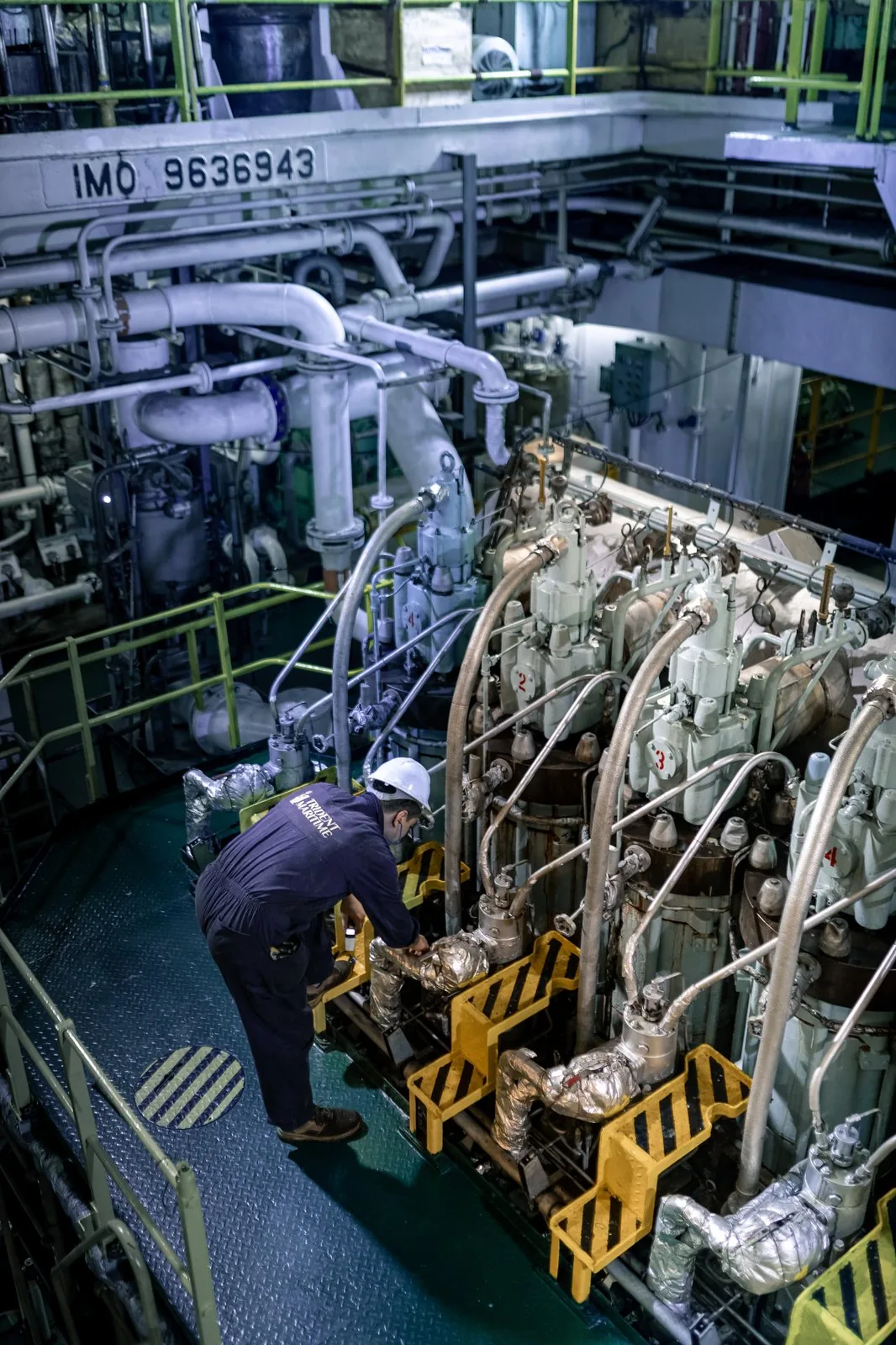
Furthermore, engine performance monitoring must track parameters unique to dual-fuel operations. This includes monitoring the efficiency of the pilot fuel injection and ensuring complete combustion of methanol to prevent emissions slip. The overall success of methanol fuelled vessel management depends heavily on the technical competence of the engine room team and their disciplined approach to these new maintenance protocols.
What Are the New Crew Competencies and STCW Requirements?
The adoption of methanol introduces new risks that require specialised crew training and certification under the IMO's STCW Convention. Seafarers on vessels subject to the IGF Code must undergo approved basic and advanced training on low-flashpoint fuels. This training covers methanol's specific properties, including its toxicity (both ingestion and inhalation risks), flammability, and the challenge of its nearly invisible flame in daylight.
A core part of crew management for these vessels is ensuring all personnel are competent in handling methanol-specific emergencies. This includes bunkering safety procedures, use of appropriate Personal Protective Equipment (PPE), and response to spills or leaks. Firefighting training is particularly critical, as methanol fires require alcohol-resistant aqueous film-forming foam (AR-AFFF) rather than standard foams.
The STCW framework, which applies to approximately 1.2 million seafarers globally, ensures a baseline of safety and competence. For methanol, this means verifying that officers and ratings not only hold the necessary certificates but also have practical, vessel-specific familiarisation. Effective management requires investing in continuous training to maintain high safety standards onboard.
What is the Critical Role of the Safety Management System (SMS) in Methanol Fuelled Vessel Management?
An effective Safety Management System (SMS), compliant with the ISM Code, is the cornerstone of safe methanol fuelled vessel management. Standard SMS templates are insufficient; the system must be fundamentally revised to incorporate detailed risk assessments and procedures specific to methanol. This includes comprehensive protocols for bunkering, storage, fuel transfer, and emergency response.
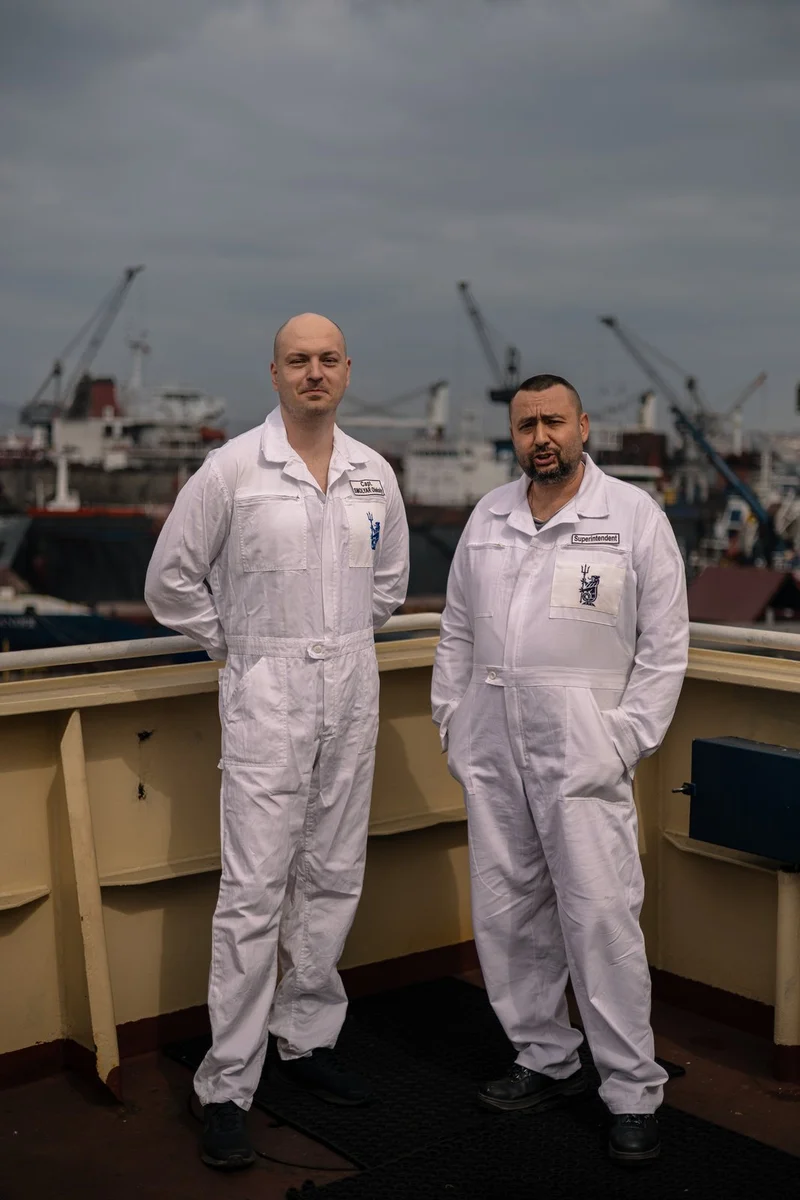
"Managing methanol-fuelled vessels is not merely a technical update; it's a fundamental shift in the safety culture onboard. The Safety Management System must be rewritten from the ground up to address methanol's unique properties, from its toxicity to its invisible flame. A paper exercise is insufficient; drills, training, and risk assessments must be rigorous and specific to these new hazards."
- Capt. Oleksiy Smolyar, Master Mariner / CEO Trident Maritime
Key SMS updates include procedures for managing methanol's health risks, such as defining permissible exposure limits and mandating specific PPE during handling operations. Emergency drills must simulate scenarios like methanol spills, exposure incidents, and fires, ensuring the crew can respond effectively with specialised equipment. Our marine consultancy services often focus on auditing and upgrading the SMS to meet these heightened requirements before a vessel enters service.
The SMS must also integrate detailed checklists for ship-to-ship (STS) bunkering, which is becoming the standard method. These checklists, aligned with guidelines from bodies like BIMCO, ensure all safety verifications are completed before, during, and after the transfer. A robust SMS transforms regulatory requirements into daily operational practice, mitigating the inherent risks of low-flashpoint fuels.

How Do Methanol Bunkering Procedures Compare to Conventional Fuels?
Methanol bunkering is a significantly more complex and hazardous operation than bunkering traditional marine fuels like VLSFO or MGO. The process is governed by stringent safety protocols outlined in the IGF Code due to methanol's low flashpoint (around 11°C) and toxicity. The comparison below highlights the key operational differences:
| Criterion | Methanol (CH3OH) | Very Low Sulphur Fuel Oil (VLSFO) |
|---|---|---|
| Flashpoint | ~11°C (Highly Flammable) | >60°C |
| Toxicity Risk | High (toxic via inhalation, ingestion, skin contact) | Low to Moderate |
| Bunkering Connection | Dry-break couplings and nitrogen purging required | Standard flanged connections |
| Spill Response | Specialised absorbents; vapour dispersion risk | Containment booms and skimmers |
| Firefighting Agent | Alcohol-Resistant Foam (AR-AFFF) | Standard foam, CO2, Dry Chemical Powder |
| Vapour Characteristics | Vapours are heavier than air and can accumulate in low areas | Vapours are less of a concern at ambient temperatures |
During methanol bunkering, a pre-transfer conference and a detailed safety checklist are mandatory. The procedure involves grounding connections to prevent static discharge, using nitrogen to inert the space in the receiving tank, and continuous monitoring for leaks using gas detection equipment. The entire process requires a higher level of crew coordination and vigilance, making specialised training a non-negotiable prerequisite.
How Do Class and Flag States Approach Methanol-Fuelled Vessels?
Classification Societies and Flag State administrations play a pivotal, collaborative role in ensuring the safety and compliance of methanol-fuelled vessels. The International Association of Classification Societies (IACS), whose 12 members class over 90% of the world's cargo tonnage, develops the technical standards that bring IMO regulations to life. Societies like Bureau Veritas, DNV, and Lloyd's Register conduct design appraisals, survey equipment during manufacturing, and oversee construction and commissioning to verify compliance with the IGF Code and their own rules.
Flag States are responsible for the vessel's ultimate certification and for ensuring the crew holds the correct STCW endorsements for service on IGF Code vessels. They conduct audits to verify the implementation of the ship's SMS and ensure all statutory certificates are valid. The relationship is symbiotic: Class provides the technical verification, while the Flag provides the legal authority for the vessel to trade internationally.
From an operator's perspective, this means any technical assessment is based on available documents and the vessel's condition, with final approval subject to both Class and Flag requirements. For instance, the Paris MoU, which tracks port state control performance, shows that deficiencies related to fire safety and emergency systems are common causes for detention. For a methanol-fuelled vessel, the scrutiny on these systems is even more intense, making diligent compliance with both Class and Flag rules a commercial imperative.
Related Reading
- Maritime Technical Services in 2026: A Complete Guide
- Marine Engineering Consultancy & Services for 2026
How Can You Discuss Methanol Fuelled Vessel Management with Trident Maritime?
Navigating the operational, technical, and crewing complexities of alternative fuels requires specialist expertise. Trident Maritime is a BIMCO member with ISO 9001, 14001, and 45001 certifications, providing comprehensive ship management services from our offices in Odesa, Hamburg, Dubai, and Hong Kong. Our team has the practical experience to guide owners through the transition to methanol-fuelled operations.
We offer end-to-end support, from newbuilding supervision and SMS development to sourcing and training qualified crew for dual-fuel vessels. Our approach ensures that your assets are managed safely, efficiently, and in full compliance with evolving international regulations.
For a confidential discussion, contact info@trident-maritime.com or visit our contacts page.
How to Contact Trident Maritime?
Need a consultation or proposal? Reach out through any of the channels below - we respond within one business day.
- Phone: +380487373735
- Email: info@trident-maritime.com