Ship management Dubai in 2026: Technical & Crewing Guide
- What drives ship management Dubai operations in 2026?
- How does SIRE 2.0 impact tanker technical management?
- What are the core crew management compliance standards?
- Commercial management vs Technical management: How do they differ?
- How do IACS classification societies influence fleet maintenance?
- What does a standard vessel condition survey checklist include?
- Related reading
- Frequently asked questions about ship management Dubai
- Discuss ship management Dubai with Trident Maritime
- Contact Trident Maritime
The IMO STCW Convention applies to approximately 1.2 million certificated seafarers on over 50,000 vessels worldwide (IMO, 2025). Navigating these regulations requires precise technical oversight, especially for operators seeking reliable ship management Dubai partnerships to support Middle Eastern trading routes.
What drives ship management Dubai operations in 2026?
The third-party ship management segment is projected to grow at approximately 9% CAGR through 2035 (Business Research Insights, 2025). This expansion is heavily driven by increasing regulatory complexity and the demand for specialized technical expertise. Vessel owners increasingly delegate operational responsibilities to ensure continuous compliance with evolving international maritime laws.
Integrating robust ship management Dubai strategies ensures that vessels maintain continuous operational readiness across critical UAE and Middle Eastern logistics nodes. Operators rely on comprehensive technical management to handle everything from dry docking supervision to daily maintenance. Proactive oversight directly reduces off-hire periods and extends the operational lifespan of commercial cargo assets.
Effective management frameworks prioritize preventative maintenance over reactive repairs. This structural approach minimizes commercial disruptions and optimizes overall voyage profitability for vessel owners.
How does SIRE 2.0 impact tanker technical management?
SIRE 2.0 became the mandatory tanker vetting standard on 2 September 2024, replacing VIQ7 (OCIMF, 2024). This updated regime introduces a dynamic, risk-based approach to vessel inspections, focusing heavily on human factors and real-time operational data. Tanker operators must adapt their safety management systems to meet these stringent new vetting criteria.
SIRE 2.0 inspections typically identify 20-30 findings per vessel, versus the 2-4 typical under VIQ7 (industry analysis, 2024). Preparing for these audits requires meticulous documentation and continuous crew training to demonstrate systemic safety culture.
"Under SIRE 2.0, inspectors evaluate not just the condition of the equipment, but the crew's familiarity with the safety management system. Operators must transition from passive compliance to proactive safety culture demonstration."
- Capt. Oleksiy Smolyar, Master Mariner / CEO Trident Maritime
Technical superintendents must verify that all onboard hardware and procedural protocols align perfectly with OCIMF guidelines. Failure to secure positive vetting results severely restricts a tanker's chartering viability in the current energy market.
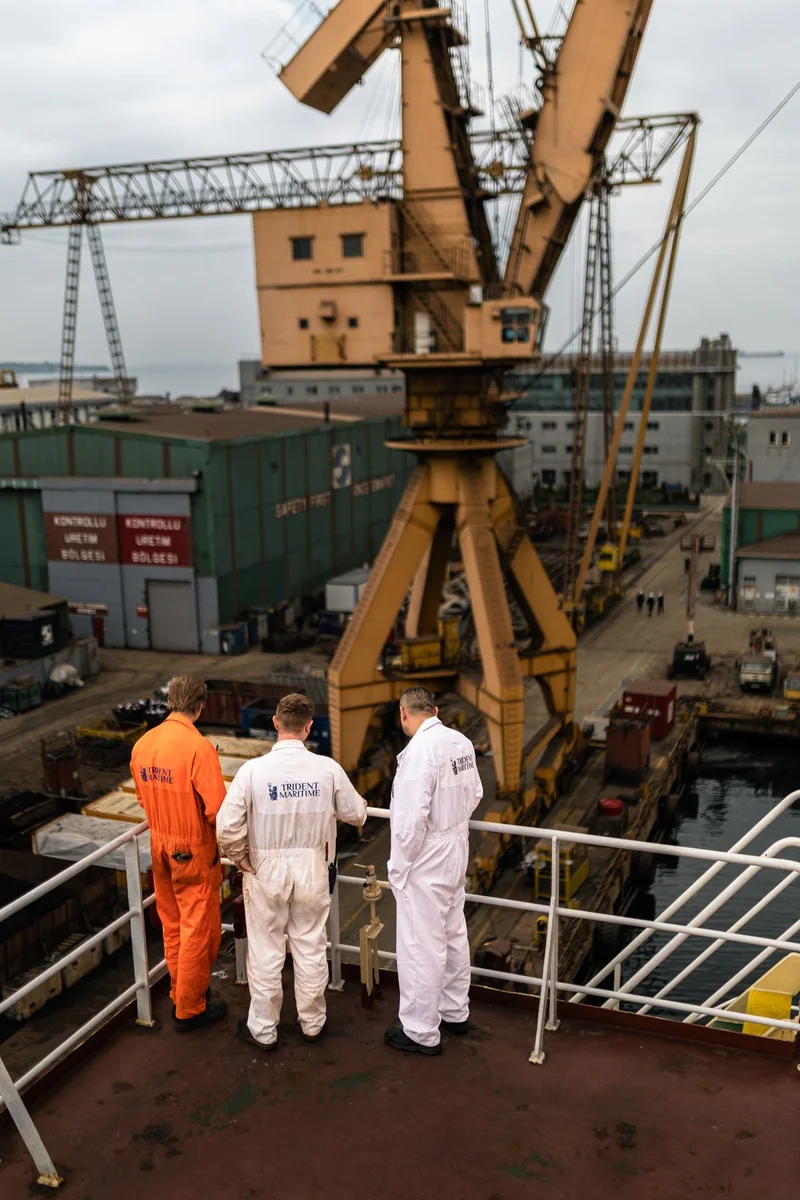
What are the core crew management compliance standards?
The Maritime Labour Convention 2006 (MLC) is in force in countries representing over 97% of world gross shipping tonnage (ILO, 2026). This convention mandates strict requirements for seafarer working conditions, employment contracts, and onboard welfare facilities. Maintaining MLC certification is a fundamental prerequisite for international commercial trading.
Implementing specialized crew management frameworks ensures that all personnel possess valid, updated STCW certifications before deployment. Regular internal audits verify that work and rest hour logs strictly adhere to international maritime regulations. Operators must establish zero-tolerance policies for fatigue management violations.
Consistent crew retention relies on transparent payroll systems and high-standard onboard living conditions. Dedicated crewing departments handle all logistical complexities, allowing shipowners to focus entirely on commercial strategy.
Commercial management vs Technical management: How do they differ?
Vessel operations are broadly divided into commercial and technical disciplines, each requiring distinct expertise. While technical teams focus on hardware and safety, commercial operators handle market analysis, chartering, and voyage optimization. Both disciplines must synchronize perfectly to maximize asset profitability.
Over 90% of tanker operators use OCIMF TMSA-3 to assess their safety management systems (OCIMF, 2024). This technical framework directly supports commercial viability by ensuring vessels remain attractive to major energy charterers. Effective commercial management leverages this technical readiness to secure premium freight rates.
| Criterion | Technical Management | Commercial Management |
|---|---|---|
| Core Focus | Vessel maintenance, safety, and crewing | Chartering, voyage execution, and freight |
| Key Frameworks | ISM, ISPS, SIRE 2.0, MLC | Market intelligence, post-fixture operations |
| Primary Stakeholders | Class societies, Port State Control | Charterers, brokers, bunker suppliers |
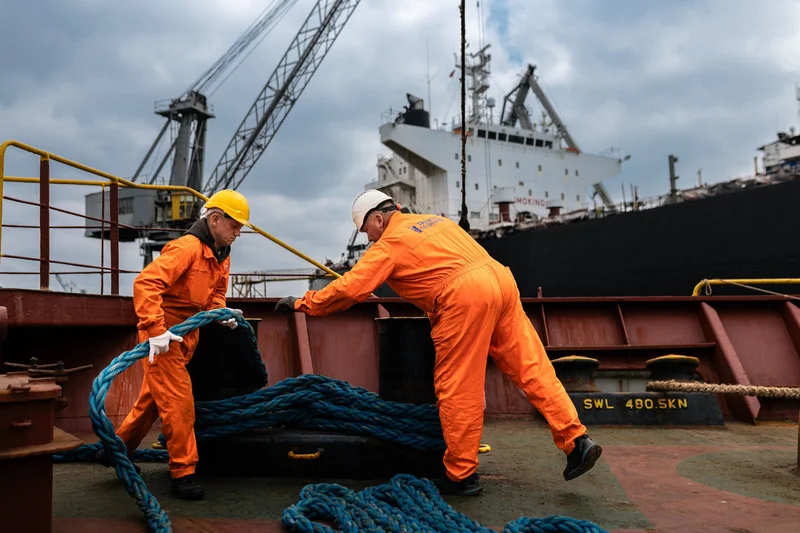
How do IACS classification societies influence fleet maintenance?
The IACS comprises 12 member classification societies covering more than 90% of the world's cargo-carrying tonnage (IACS Annual Review 2025). These organizations establish and enforce the structural and engineering standards required for safe maritime transport. Statutory certificates issued by class societies are mandatory for securing marine insurance and port entry.
Technical superintendents schedule regular surveys and dry-docking intervals to maintain these critical class notations without disrupting commercial schedules. Coordination with specialized yards in regions like Dubai ensures that scheduled repairs meet exact classification specifications. Compliance with IACS unified requirements forms the backbone of any reliable fleet maintenance strategy.
Proactive engagement with class surveyors during planned maintenance prevents unexpected operational delays. Accurate record-keeping of all structural modifications is essential for seamless annual audits.
What does a standard vessel condition survey checklist include?
Vessel condition surveys evaluate the physical state of a ship's hull, machinery, and cargo-handling equipment. These inspections are critical during sale and purchase transactions, or when assessing a vessel's readiness for new charter agreements. To prepare for comprehensive vessel inspections, operators follow a strict sequence of preparations.
- Document verification. Ensure all statutory certificates, class records, and continuous synopsis records are updated and accessible.
- Machinery space preparation. Clean all bilges, rectify minor leaks, and ensure main engine performance logs are up to date.
- Deck and hull inspection. Assess coating conditions, verify the integrity of watertight doors, and test mooring equipment.
- Cargo system testing. Conduct pressure tests on pipelines and verify the calibration of all gas detection equipment.
- Safety equipment audit. Confirm that lifeboats, fire-fighting appliances, and emergency generators are fully operational.
Paris MoU port state control inspects approximately 17,500 individual ships per year, with a detention rate around 3% (Paris MoU Annual Report, 2024). Identifying and rectifying defects during internal condition surveys prevents costly detentions during these official state inspections.
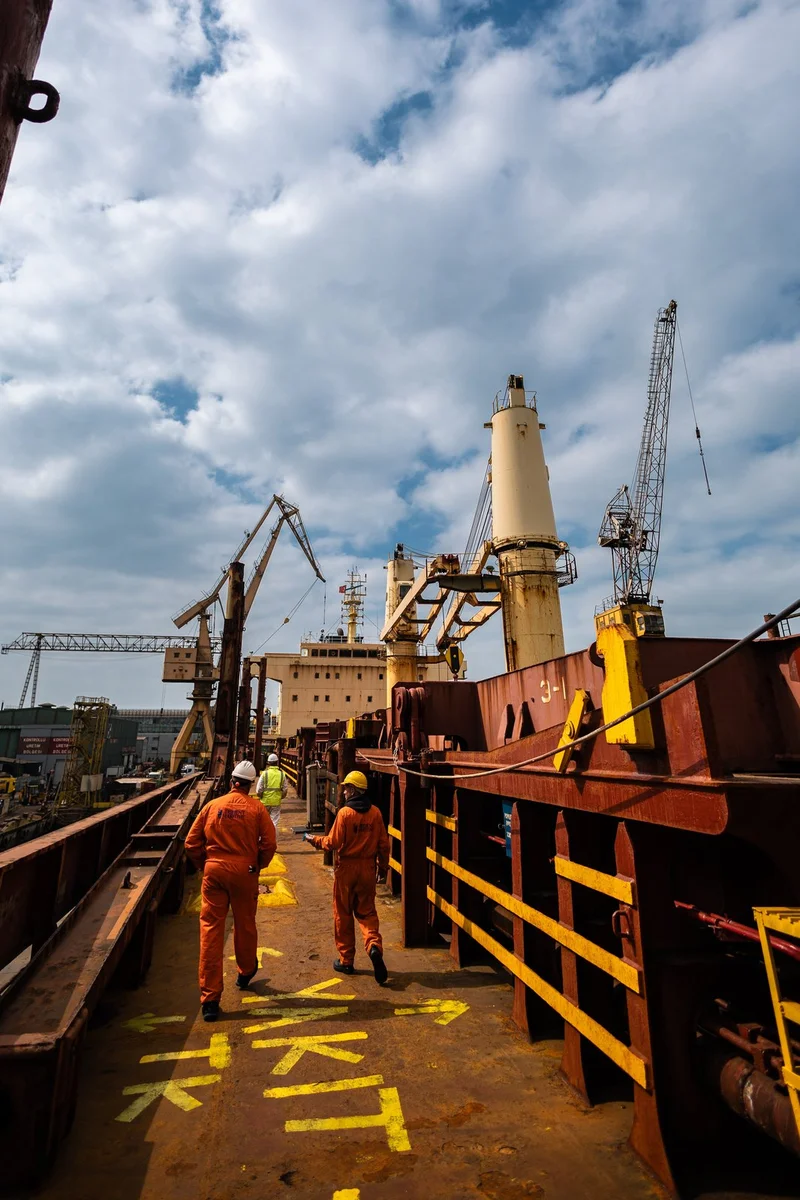
Related reading
- Shipping management in 2026: A Technical Guide
- Maritime compliance in 2026: A Technical Guide
- Vessel Condition Survey Checklist in 2026: A Guide
Frequently asked questions about ship management Dubai
What services are included in technical ship management Dubai contracts?
Technical ship management Dubai contracts encompass daily operational oversight, planned maintenance scheduling, and dry-docking supervision for tankers and bulkers. Superintendents ensure continuous compliance with IACS unified requirements and flag state regulations. Furthermore, these agreements cover procurement of spare parts, regular condition surveys, and coordination of mandatory statutory audits required for international trading.
How does the IMO Net-Zero Framework affect fleet management in 2026?
The IMO Net-Zero Framework, agreed in April 2025, targets net-zero emissions from international shipping by approximately 2050 (IMO MEPC 83). Fleet managers must now implement rigorous energy efficiency measures and optimize voyage planning to reduce fuel consumption. Upgrading vessel hardware to support alternative fuels is becoming a central component of long-term technical strategies.
Which flag states accept electronic certificates of competency?
Major flag registries universally accept digital documentation following the latest regulatory updates. Recent STCW amendments require electronic certificates of competency effective from 2025 (IMO MSC.535(107)). Crew management departments utilize these digital frameworks to streamline onboarding processes, ensuring all seafarer documentation is instantly verifiable by port state control authorities globally.
How long does a pre-purchase vessel inspection take?
A comprehensive pre-purchase vessel inspection typically requires two to three days alongside, followed by a sea trial if permitted by the sellers. Surveyors conduct exhaustive evaluations of the hull structure, main engine performance, and cargo handling equipment. The process culminates in a detailed technical report outlining anticipated capital expenditures and immediate compliance gaps.
What is the current detention rate for port state control inspections?
Port state control detention rates reflect increasing regulatory scrutiny across major maritime hubs. The Paris MoU detention rate rose to 4.03% in 2024, up from 3.81% in 2023 (Paris MoU Annual Report 2024). Operators mitigate these risks through rigorous pre-arrival checklists and continuous adherence to SOLAS and MARPOL conventions during all voyages.
How do operators prepare for OCIMF TMSA-3 audits?
Operators prepare for these audits by systematically documenting their safety protocols across all organizational levels. OCIMF TMSA-3 contains 13 elements, including Element 13 - Maritime Security, added in the 2017 revision (OCIMF, 2017). Technical managers conduct internal reviews against these key performance indicators to demonstrate a proactive, continuous improvement culture to major charterers.
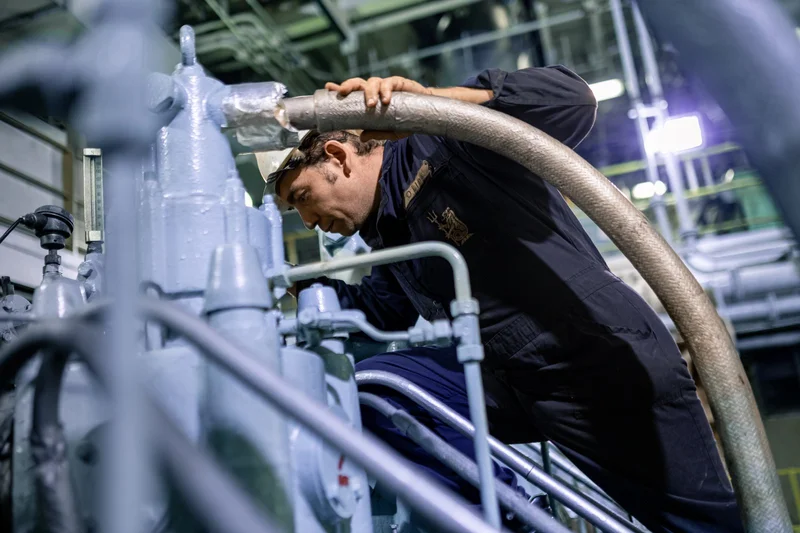
Discuss ship management Dubai with Trident Maritime
Trident Maritime provides comprehensive operational support for commercial cargo vessels, ensuring seamless regulatory compliance and technical readiness. As a BIMCO member holding ISO 9001:2015, ISO 14001:2015, and ISO 45001:2019 certifications, we deliver precise oversight for complex fleet operations across our offices in Odesa, Hamburg, Dubai, and Hong Kong. Our technical superintendents maintain strict adherence to all international maritime standards and operate a 24/7 emergency response network.
For a confidential discussion, contact info@trident-maritime.com or visit our contacts page.
Contact Trident Maritime
Need a consultation or proposal? Reach out through any of the channels below - we respond within one business day.
- Phone: +380487373735
- Email: info@trident-maritime.com
- Telegram: @tridentmaritime