Vessel inspection services: A buyer's decision tree
Vessel inspection services in 2026 cover pre-purchase surveys, SIRE 2.0 vetting preparation, and port state control compliance for tankers, gas carriers, and bulkers. Operators rely on third-party superintendents to identify structural, mechanical, and documentation deficiencies before charterers or flag states intervene. Discover the regulatory frameworks shaping marine auditing and compliance strategies.
Comprehensive marine surveying solutions evaluate structural integrity, machinery condition, and regulatory compliance to secure charter approvals and minimize off-hire risks.
Why are vessel inspection services critical for chartering in 2026?
Tanker operators face a paradigm shift in vetting protocols since SIRE 2.0 became the mandatory tanker vetting standard on 2 September 2024, replacing VIQ7 (OCIMF, 2024). Major energy charterers now demand continuous assessment of human factors alongside hardware condition. Engaging professional ship auditing experts ensures that onboard teams are thoroughly prepared for these dynamic, tablet-based assessments.
The global ship management market is estimated at USD 3.41 billion in 2025, projected to reach USD 8.24 billion by 2035 (Business Research Insights, 2025). As commercial stakes rise, technical superintendents conduct mock audits to identify gaps in safety management system implementation before the actual vetting. Without rigorous pre-vetting preparation, vessels risk accumulating observations that render them uncharterable in competitive markets.
The focus must shift from mere paperwork compliance to demonstrable crew competence during critical operations. Superintendents utilizing advanced inspection frameworks provide actionable insights that directly influence a vessel's commercial viability.
How do pre-purchase inspections differ from routine audits?
Routine audits verify ongoing compliance, whereas pre-purchase surveys provide a snapshot of an asset's commercial management viability and capital expenditure requirements. Any technical assessment is based on available documents, vessel condition at the time of inspection, and access granted onboard. Surveyors focus heavily on steel thickness measurements, cargo hold integrity, and the maintenance history of main engines and auxiliary machinery.
Buyers utilize these detailed condition reports to negotiate pricing or demand specific repairs prior to closing the memorandum of agreement. Engaging independent marine surveyors guarantees an unbiased evaluation of the ship's operational readiness. Comprehensive vessel inspections of Class records and statutory certificates further protect buyers from acquiring hidden liabilities.
Pre-purchase assessments also outline the immediate capital required to bring a newly acquired vessel up to the buyer's internal fleet standards. This strategic foresight prevents unexpected dry-docking expenses during the first year of ownership.

What are the differences between SIRE 2.0 and legacy VIQ7?
The transition to the new vetting regime fundamentally altered how inspectors evaluate tanker safety and crew proficiency. SIRE 2.0 inspections typically identify 20-30 findings per vessel, versus the 2-4 typical under VIQ7 (industry analysis, 2024). This increase necessitates a deeper integration of human factor assessments during routine vessel operations.
| Criterion | Legacy VIQ7 | SIRE 2.0 (2026) |
|---|---|---|
| Assessment Focus | Hardware and documentation | Hardware, processes, and human factors |
| Questionnaire Type | Static generic questions | Dynamic, vessel-specific questions |
| Execution Method | Paper-based checklists | Tablet-based with photographic evidence |
| Average Findings | 2 to 4 observations | 20 to 30 observations |
Operators must adapt their safety management systems to address these expanded evaluation criteria. Proactive pre-vetting programs help crews navigate this complex regulatory environment by simulating the exact conditions of a modern vetting process. Superintendents train seafarers to articulate safety procedures confidently when questioned by vetting inspectors.
What does a comprehensive condition survey cover?
A thorough condition survey examines every structural and mechanical component critical to safe navigation and cargo operations. For dry bulk carriers, inspectors rigorously evaluate hatch covers, ballast tanks, and cargo hold coatings against industry standards. RightShip's Inspection Ship Vetting (RISQ) framework is the dominant dry-cargo counterpart to OCIMF's SIRE 2.0 for tanker vetting; both are required for chartering with major energy and bulk shippers (RightShip, 2024).
The IACS comprises 12 member classification societies covering more than 90% of the world's cargo-carrying tonnage (IACS Annual Review 2025). Detailed assessments verify that planned maintenance systems align with actual machinery conditions and these strict Class requirements. These surveys provide owners with actionable data to optimize dry-docking specifications and prevent unscheduled downtime.
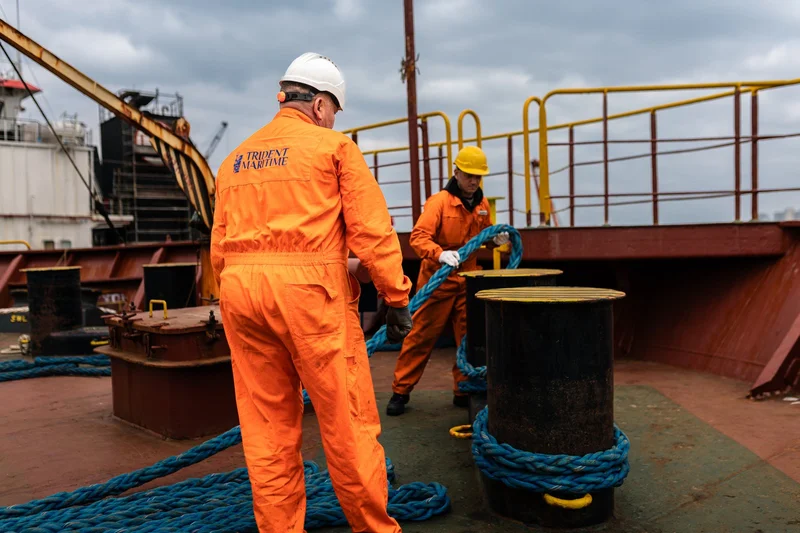
Maintaining compliance with BIMCO guidelines and Class standards ensures the vessel remains competitive in global trade routes. Surveyors routinely test cargo handling gear, mooring equipment, and navigation electronics to confirm full operational readiness.
How to prepare for port state control inspections?
Port state control (PSC) scrutiny is intensifying globally, targeting fire safety, lifesaving appliances, and MLC compliance. The Paris MoU detention rate rose to 4.03% in 2024, up from 3.81% in 2023 (Paris MoU Annual Report 2024). Concurrently, Tokyo MoU recorded 1,189 detentions and 77,526 deficiencies across Asia-Pacific port state inspections in 2024 (Tokyo MoU Annual Report 2024).
- Review deficiency history. Analyze past PSC reports and internal audits to identify recurring non-conformities across the fleet.
- Test critical machinery. Ensure emergency generators, fire pumps, and steering gear operate flawlessly under load.
- Verify documentation. Confirm all statutory certificates, continuous synopsis records, and seafarer credentials are valid and original.
- Conduct safety drills. Execute realistic abandon-ship and fire drills to demonstrate crew familiarization to boarding officers.
- Inspect lifesaving appliances. Check lifeboats, davits, and immersion suits for physical defects and expiry dates.
Rigorous adherence to these steps ensures that vessels meet the strict criteria enforced by regional MoU authorities. Routine pre-arrival checks remain the most effective defense against unexpected detentions.
How do compliance restoration programs mitigate detention risks?
When a vessel is detained or suffers a severe class suspension, immediate intervention is required to rectify systemic failures. Compliance restoration cases do not guarantee PSC, class, or flag outcome, but are managed through structured corrective action and documented follow-up. Technical managers deploy rapid-response teams to address the specific deficiencies cited by the governing authority.
"Successful compliance restoration demands immediate root cause analysis and transparent communication with flag state and class surveyors. We systematically close out deficiencies while rebuilding the crew's safety culture to prevent recurrence."
- Capt. Oleksiy Smolyar, Master Mariner / CEO Trident Maritime
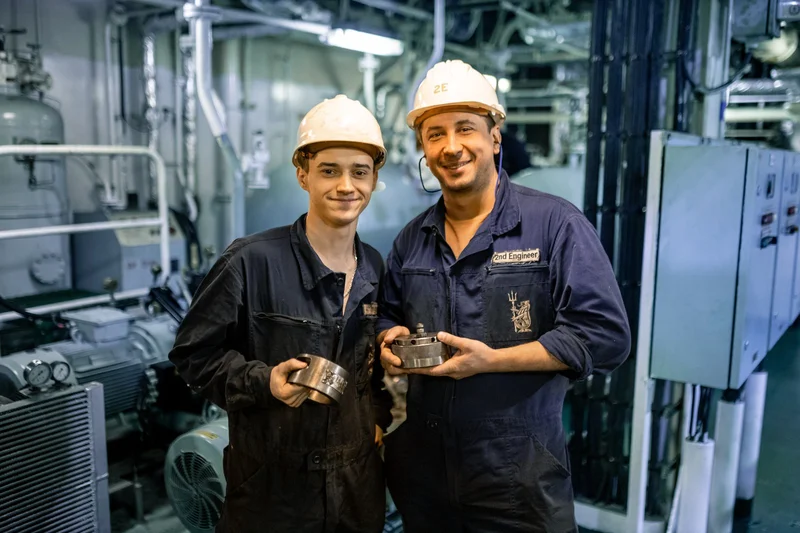
This structured approach stabilizes the vessel's operational status and restores confidence among charterers and insurers. Engaging external marine consultancy experts and reliable crew management expedites the approval process for sailing permissions.
Related reading on maritime compliance
For technical superintendents and shipowners expanding their understanding of modern fleet operations, exploring specialized regulatory frameworks is essential. Comprehensive knowledge of vetting and technical administration directly impacts vessel profitability.
- Technical Ship Management in 2026: A Guide for Owners
- Pre-Vetting Inspection Tanker Guide for 2026
- Vessel Inspection Solutions in 2026: A Complete Guide
Frequently asked questions about vessel inspection services
How long does a pre-purchase vessel inspection take?
A standard pre-purchase vessel inspection takes two to three days, depending on the vessel type and accessibility. Surveyors require sufficient time to examine hull structures, test machinery, and review class records. Complex vessels like gas carriers or VLCCs may require extended inspection periods to assess specialized cargo containment systems.
What does a SIRE 2.0 vetting inspection cover?
A SIRE 2.0 vetting inspection covers hardware condition, operational processes, and human factors using a dynamic, tablet-based questionnaire. Inspectors evaluate seafarer familiarity with the safety management system and take photographic evidence of critical equipment. The framework requires vessels to demonstrate continuous compliance rather than just preparing for a single audit day.
Who conducts independent condition surveys?
Independent condition surveys are conducted by qualified master mariners, chief engineers, or naval architects working for third-party ship managers. These professionals provide unbiased assessments of a vessel's structural and mechanical integrity for buyers, charterers, or marine insurers. Their expertise ensures that technical reporting aligns strictly with IACS unified requirements.
How often should operators schedule pre-vetting inspections?
Operators should schedule pre-vetting vessel audits at least 30 to 45 days before the anticipated actual vetting date. This timeframe allows technical superintendents to conduct mock audits, identify gaps in safety management system implementation, and complete necessary corrective actions. Regular pre-vetting ensures crews remain familiar with OCIMF questioning techniques.
Which flag states accept electronic certificates during inspections?
Most major registries accept electronic certificates during inspections, following recent STCW amendments requiring electronic certificates of competency effective from 2025 (IMO MSC.535(107)). Port state control officers verify these digital documents via secure flag state portals. Operators must ensure their onboard IT systems can reliably display these certificates during audits.
How much do vessel inspection services cost?
How much do these technical assessments cost? Pricing is by arrangement and depends on vessel type, flag, trading area, and contract scope. Comprehensive audits for complex gas carriers or VLCCs require specialized expertise compared to standard handysize bulkers. Contact info@trident-maritime.com for a formal proposal tailored to your fleet's specific operational and geographical requirements.
Discuss vessel inspection services with Trident Maritime
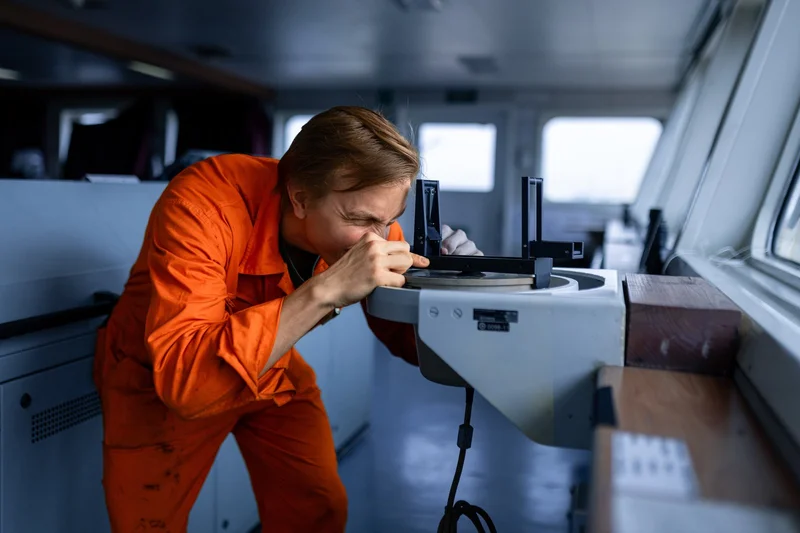
Trident Maritime provides comprehensive ship inspection programs for tankers, gas carriers, containerships, and bulkers globally. As an ISO 9001/14001/45001 certified and BIMCO-member organization, our technical superintendents deliver rigorous pre-purchase, pre-vetting, and condition surveys. We operate a 24/7 emergency response network from our offices in Odesa, Hamburg, Dubai, and Hong Kong.
For a confidential discussion, contact info@trident-maritime.com or visit our contacts page.
Contact Trident Maritime
Need a consultation or proposal? Reach out through any of the channels below - we respond within one business day.
- Phone: +380487373735
- Email: info@trident-maritime.com